14.8 C
Jerusalem
Tuesday, May 5, 2026
Sample Page
Home Blog Page 146

Hebrew English: In the Workplace

Reading Time: < 1 minute

Learning Hebrew

Transliterated Dictionary of Hebrew English Words & Phrases

In the Workplace – מקום העבודה שלי

English
Transliteration Hebrew
 Administration  Min’hal מינהל
 Bachelor’s Degree  To’ar Rishon תואר ראשון
 Conditions  T’na’im תנאים
 Calculator  Mach’she’von מחשבון
 Computer  Mach’shev מחשב
 Course  Koors קורס
 Day’s leave  Yom ho’fesh יום חופש
 Degree  To’ar תואר
 Doctorate  To’ar Shli’shi תואר שלישי ‘ דוקטורט
 Employ  Le’ha’a’sik להעסיק
 Employee (salaried)  O’ved or Sa’chir עודב /שכיר
 Employer  Ma’a’vid or Ma’a’sik מעביד / מעסיק
 Employment  Ta’a’su’ka תַּעֲסוּקָה
 Employment agency  Soch’nut ta’a’su’ka / sochnut koach adam סוכנות תעסוקה/ סוכנות כוח אדם
 Experience  Ni’sa’yon נִסָּיוֹן
 Finance  Ni’hul ke’sa’fim ניהול כספים
 Full-time job  Mis’ra m’lay’a משרה מלאה
 Half-day job  Cha’tzi mis’ra חצי משרה
 Hi-tech  Hi-tech הי טק
 Human resources  Ma’a’sha’vei e’nosh מעשבי אנוש
 Job interview  Ra’a’yon a’vo’da רֵאָיוֹן עבודה
 Lawyer  O’rech din (m) – Orechet din (f) עורך דין / עורכת דין
 Manager  M’na’hel מנהל
 Manpower  Ko’ach adam כֹּחַ אָדָם
 Marketing  Shi’vuk שיווק
 Master’s Degree  To’ar She’ni תואר שני
 Medicine (the field of)  Re’foo’a רפואה
 Overtime  Sha’ot no’sa’fot שעות נוספות
 Part-time job  Mis’ra chel’kit משרה חלקית
 Profession  Mik’tzo’a מקצוע
 Research  Mich’kar מחקר
 Resume / CV  Ko’rot Haim קורות חיים
 Self employed  Atz’ma’i עצמעי
 Sick days  Ye’may ma’cha’la ימי מחלה
 Social benefits  T’na’im so’tzi’a’lim תנאים סוציאלים
 Work conditions  T’nai a’vo’da תנאי עבודה
 Work  A’vo’da עבודה

100 Ways to Learn Hebrew – more free word sheets with Hebrew, English and transliteration.

Israel Minimum & Average Wage & Household Expenditure.

0
Reading Time: 2 minutes

Israel’s Minimum Wage Law Update & Average Wage

Hebrew: שכר מינימום בישראל

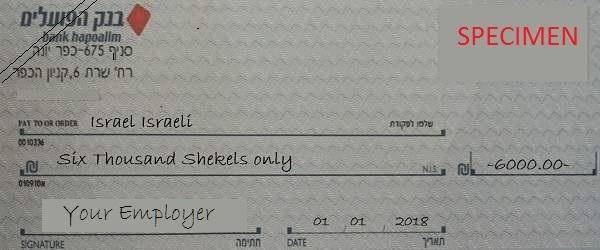
israel minimum wage2

The Israel Minimum Wage Law

The Israel Minimum Wage Law was set up in 1987, and in brief it mandates the following:

  • An employee of the age of eighteen years or over, employed in a full-time position, is entitled to receive a wage not less than the minimum-wage-per-month, the daily minimum wage or the hourly minimum wage, as the case may be.
  • An employee employed in a part-time position is entitled to a partial minimum wage calculated in accordance with the part-time ration of his position.
  • If an employee is absent from work, the minimum wage to which he is entitled, shall be reduced in proportion to the time of his absence. However, if he is entitled to receive payment for the time he is absent (under any law, contract of employment, collective agreement etc.) the payment shall be in accordance with the provisions of that agreement.

From December 1st, 2017, The National Insurance Institute (Bituach Leumi) stipulates the minimum gross wage in Israel as follows:

Israel minimum adult wage (age 18 and above)

  • Daily wage for worker employed 5 days a week: NIS 244.62 (as of Dec 01, 2017).
  • Daily wage for worker employed 6 days a week: NIS 212.00 (as of Dec 01, 2017).
  • Hourly wage: NIS 28.49 (as of Dec 01, 2017).
  • Monthly wage: NIS 5,300.00 (as of Dec 01, 2017).

Minimum wage in Israel for youth:

  • Ages 14-16 the minimum wage is now set at NIS 21.45 per hour
  • Ages 16-17 the minimum wage is now set at NIS 22.98 per hour
  • Ages 17-18 the minimum wage is now set at NIS 25.43 per hour

Labor laws for teens

Average wage in Israel under National Insurance Law

The average Israeli monthly wage as of August, 2021 stands at 11,300 New Israeli Shekels (figures released by the Central Bureau of Statistics) – a drop of 3% caused by the pandemic.

Average wage per industry

The latest list of average wages per industry has just been released by the Israel CBS and can be found here…

Please take a look before you go off to your job interview or negotiate your employment contract.

Average monthly, Israeli household income and expenditure

According to figures by the Central Bureau of Statistics’ 2018 Household Expenditure Survey, the average gross monthly income per Israeli household, including all sources of income are as follows:

Money expenditure

per household

Net money income

per household

Average Income

Women Monthly /per hour

Average Income

Men Monthly /per hour

12,323 NIS 15,427 NIS 7,666
51 NIS/hour
11,219
60 NIS/hour

Successful Job Search

0
Reading Time: 2 minutes

Employment tips, rules & suggestions for getting a job in Israel.

Hebrew:  עצות וטיפים לחיפוש עבודה

Now retired, Maurice Singer had more than 3 decades of experience working with new immigrants and also as an Aliyah Shaliach in London and Chicago. He was Director of Aliya and Absorption for the British Olim Society. He developed the idea of Job Clubs in Israel and during his time, he conducted seminars and workshops on  a variety of “job search”  related topics.  Here are his tips for a successful job search:

successful job search employment tips for israel

There is no end of books, or articles on the internet, written on “How to find a Job” or “The Perfect Resume”, interviewing techniques etc. etc. What can we share with you that you haven’t heard dozens of times before? What advice or tips can we give that will create a turning point in your job search resulting in success?  We share 3 universal rules that will help you get the job you want.

1. Remember, it’s not the most qualified person who gets the best job – It’s the one who is most skilled at job hunting

Job hunting is a full-time job in itself and there are strategies and techniques that need to be learned accepted and then put into practice in order to achieve results. 

2. A resume should be about the future and not the past

Many times I have said this when talking about a resume only to see a look of confusion on the faces of the job seekers. What I mean is that the employer, while reading your CV should be thinking of a potential future for you in his organization based on your past record.

In order to achieve this much time and effort should be spent on the production of your resume and covering letter. Your cover letter should be tailored to every job application.  The “attached please find letter…” will probably get you nowhere.

3. The universal hiring rule: Any employer will hire any individual as long as the employer is convinced that the hiring will bring more value than it costs.

Once the job seeker understands what the job entails, he must convince the employer that he can do the job and do it well. Using examples of previous work, showing enthusiasm and confidence in his/her own ability, if the job seeker convinces the employer that by taking him on the work will get done, he/she will be offered the job!!

An employer will ask; How can this job applicant make money for my company? What is the real cost of employing him/her? Will my business benefit from this person or will they prove to be a headache for me?


ISRAEL SHOPPING MALL DATABASE

0

Reading Time: 2 minutes

Shopping Centers & Shopping Malls in Major Locations in Israel.

Hebrew: מרכזי קניות וקניונים בישראל

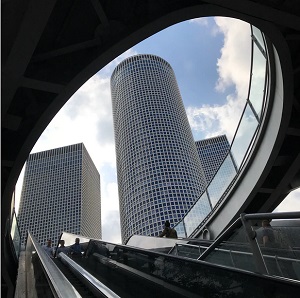
azrieli shopping mall tel aviv
Azrieli Center – Tel Aviv

Tel Aviv  

Givatayim

  • Givatayim Mall

Herzliyah

  • Arena Mall
  • The Outlet
  • Seven Stars Mall (Shivat Hakokhavim)

Raanana

Ramat Gan

  • Ayalon Mall
  • Marom Mall
  • Dan Design Center
  • Bialik Mall

Ramat HaSharon

  • Cinema City Mall

Rishon LeZion

  • Rothschild Center
  • Kenyon HaZahav
  • Lev Rishon
  • Arei Hof Mall

Netanya

  • Hasharon Mall
  • BIG Poleg
  • Hadarim Mall
  • Irusim Mall
  • Alexandra Yachin Poleg Mall

Rehovot

  • American City
  • Merkaz HaIr Mall
  • Rehovot Mall

Kfar Sava

  • Arim Mall
  • G Kfar Sava

Haifa

  • Grand Canyon
  • Haifa Azrielli Mall
  • Panorama Center
  • Horev Center
  • Lev Hamifratz Mall
  • Cinemall
  • Castra Mall

The Krayot

  • Hutzot HaMifratz Mall
  • Kiryon

Hadera

  • Ganei Hadarim
  • Lev Hadera
  • Hadera Mall

Tiberias

  • Tiberias Mall
  • Tiberias Central Bus Station

Karmiel

  •  Lev Karmiel Mall
  • Nahariya
  • Hatsafon Mall

Jerusalem

  •  Malha Mall
  • Jerusalem Central Bus Station
  • Gilo Mall
  • Center One
  • Ahim Yisrael Mall
  • Lev Talpiyot
  • Pisga Mall
  • Hadar Mall
  • Mamilla Mall

Mevasseret

  • Harel Mall
  • Maale Adumim Mall

Ashdod

  • Lev Ashdod
  • Sea Mall
  • Ashdod Mall
  • City Mall

Beer Sheva

  • Negev Mall
  • ONE Plaza
  • BIG Beersheba
  • Avia Mall
  • Shaul HaMelekh Mall

Ashkelon

  •  Hutzot Mall
  • Lev Ashkelon

Eilat

  • Mul HaYam Mall
  • Ice Mall
  • BIG

Mevasseret

  • Harel Mall

Maale Adumim

  • Adumim Mall

Ashdod

  • Lev Ashdod
  • Sea Mall
  • Ashdod Mall
  • City Mall

Beer Sheva

  • Negev Mall
  • ONE Plaza
  • BIG Beersheba
  • Avia Mall
  • Shaul HaMelekh Mall

The Shuk – Israel’s fresh food and vegetable markets.

Reading Time: 8 minutes

The Shuk – An Israeli Cultural Experience

Hebrew: עושים קניות בשוק – חוויה ישראלית

The shuk; you might have heard it called a souk and you’ve probably seen it spelled in a variety of ways; sūq, soq, souk, esouk, suk, sooq, souq, or suq.  In Hebrew, we call it a shuk – שוק- mostly, in Israel, it refers to a fresh food and vegetable market.  You may associate a shuk with images of exotic foods, spices, boho folks and other exquisite things just like “Carrie Bradshaw” (of Sex in the City fame) discovered in Abu Dhabi.  Not quite the place for designer outfits and Manolo Blahnik shoes thoughg, but the Israeli shuk is an unique experience for tourists and “a must” for local residents.

chili peppers fancycrave 

The hustle and bustle of retailers competing to sell a kilogram of  strawberries, the unique smells and a wide selection of merchandise make the shuk experience compelling and addictive.  Get your sports shoes on, grab your shopping cart, put your wallet in a safe place and head on down to your nearest shuk.

Shuks in Israel  are prime destinations for value-for money food and fresh produce shopping.  Enjoy discounts on fruit and vegetables on Friday afternoons, just before Shabbat.  Indulge yourself in super-fresh roasted “Garinim” (seeds) of numerous types; sunflower, pumpkin & watermelon loved by  Israelis (and very healthy too!).  Endless varieties of dried fruit, pickled olives and mouth watering baked goods baked fresh daily.   Spice up your life (and your cooking) with fresh and fragrant sumac or hawaj or maybe hot or sweet paprika. 

The Mahane Yehuda Market in Jerusalem and the Arab Market in the old city, Shuk HaCarmel or Sarona in Tel Aviv, Shuk Talpiot in Haifa and the Bedouin Market in Beer Sheva, are just some of the more famous shuks that Israel has to offer.

Mahane Yehuda Market in Jerusalem

Hebrew: שוק מחנה יהודה בירושלים

There is no market in Israel that quite compares to the  Mahane Yehuda Market in Jerusalem.  The market,  established in the early 1900’s, has more than 250 vendors selling fresh fruits and vegetables; baked goods; fish, meat and cheeses; nuts, seeds, and spices; wines and liquors; clothing and shoes; housewares, textiles and Judaica.

Mahane Yehuda market is bounded by Jaffa Road to the north, Agrippas Street to the south, Beit Yaakov Street to the west, and Kiach Street to the east.

Aside from top quality fruit and veg, there are some interesting stalls.  There is the man that sells halva –  probably 100 different types; some with chocolate, some coffee flavored, with pistachios and even bits of dried fruit.  At around 12 shekels for 100g, it is a real taste fest.

Then there is Uzi-Eli Chezi (a.k.a the Etrog medicine man) a peddler selling unusual freshly squeezed juices.  He is most famous for his Citron (Heb: Etrog) and Gat juices (made from the leaves of the Gat plant and enjoyed by the Yemenite community).  The citron is a bitter citrus fruit and is used during the Jewish festival of Sukkot.  After Sukkot,  it can be made into jam or a preserve.  Uzi-Eli, the owner, maintains that these fruits have special healing and nutritional value.  Each day, he rubs citron oil into his skin.  Not a wrinkle on his  face – you would never guess his real age.  

Then there is the stall that only sells kippot (a yarmulke or skull-cap) worn by all Jewish men during prayer and by religious Jewish men all the time.  Black velvet, white satin or hand embroidered.  Probably the widest selection come from the hand crocheted ones available is all colors and designs.  With the Manchester United logo, Jewish symbols, fair-isle designs, every color and every conceivable design decorate the kippot and turn each one into a conversation piece.

Take a video tour of Mahane Yehuda

Shuk HaCarmel in Tel Aviv

Hebrew: שוק הכרמל תל אביב

The Shuk HaCarmel market in Tel Aviv is located between Allenby Street, Kikar Magen David along Carmel Street and King George.  Like all the markets, it is open every day of the week except Saturdays.  With great fresh produce, Shuk HaCarmel is also famous for its clothing stalls.  Israelis come from all over the country and spend a day shopping for clothes and bargains.  Designer knock-offs; shirts, shoes, bags, belts, underwear, you’ll find it all.  Remember to bargain!  It may not be part of your culture, but give it a try.  While you may not get 50 per cent off, the vendor will probably discount his goods by 10 or 20 shekels.  You could probably walk away with 10 T-shirts for less than 300 shekels.

The Flea Market in Jaffa

Hebrew: שוק הפשפשים ביפו

Jaffa’s flea market has undergone tremendous changes in the past few years.  The entire surrounding area, has become one of the hottest and trendiest neighborhoods in Tel Aviv. In the evening hours, growing numbers of tourists and locals experience fine dining with a spectacular view of this ancient port.  Bino Tzadok is well known for his shwarma (and his Shakshuka too). Aboulafia’s bakery is a legend and Abu Hassan’s hummus is a short walk away.

Nahalat Benyamin Arts & Crafts Market in Tel Aviv

Hebrew: נחלת בנימין

On Nahalat Benyamin Street between Rothschild & Allenby Streets on Tuesdays and Fridays you will find the Nahalat Benyamin arts-and-crafts market where hundreds of vendors sell hand-made items.  A tourist must-do.

The Sarona Market in Tel Aviv

Hebrew: שרונה מארקט

The Sarona Market complex inspired by European food markets,  is the place to experience Israeli culinary art. Ninety one shops stalls and restaurants make up Israel’s largest indoor culinary market.  A five minute walk from the Azrieli complex and the train station in Tel Aviv, Sarona is open seven days a week.  Gourmet foods, a typical Dutch style cheese shop, imported foods from Italy, France and beyond.  Local produce too; local wines, boutique beer, chocolates and hand-made pastries. Dine at Segev’s Concept or Aharoni’s Ramen noodle bar, two of Israel’s master chefs or eat blueberry pancakes at Benedict’s

Shuk Talpiot in Haifa

Hebrew: שוק תלפיות חיפה

Located in the Hadar, the main entrance is on Yehiel Street between Sirkin Street and Hehalutz.   Numerous stalls are located in two tiers: the outdoor market, and a huge section in the basement of the Talpiot Building on Sirkin Street.

A great fresh fruit and vegetable selection as well as butcheries and fishmongers – some are kosher, some are not , bakeries, cheese and eggs, Middle Eastern deli – halva, olives, olive oil and pickles of all kinds, fresh herbs and spices, fresh garinim, nuts and dried fruit and sweet stores, a selection of private supermarkets within the area as well as small shops selling inexpensive household goods.

Wadi Nisnas Market Haifa

Hebrew: ואדי ניסנאס

In the heart of Haifa’s Arab Quarter on Wadi Nisnas St and Yohanan HaKadosh St, this suburban market is a real pleasure if you prefer a quiet and relaxed shopping experience.  Fruit and vegetable stalls selling top quality produce.  Fresh fish and seafood from Victor the fishmonger and the best blend of Turkish or other coffees from Marwan’s coffee shop. You might want to try Falafel HaZkeinim or Falafel George – who compete for the title of ‘Haifa’s best falafel‘ or the bakery that sells every type of baklawa imaginable. In close walking distance, Suidan sells a fantastic range of imported products.

Wadi Nisnas and the German Colony is the venue for Haifa’s Festival of Festivals (Chag HaChagim) in December where Jews, Moslems and Christians celebrate the holiday season.

The old Haifa Turkish Market

Hebrew: שוק התורכי

Some people still ask about it, but the old Turkish fruit and vegetable market closed down and has been desolate for years.  Recently the area was revived.  Now part of Haifa University’s new campus, downtown, the area has been transformed.  Artists and shopkeepers selling handmade items; designer clothes, shoes, leather bags and more.   

On Thursday evenings, during the summer months, stalls sell anything from hand-made soaps, dim-sum and a selection of European pastries and cakes.  Up and coming musicians perform for free in the central square.  Easily accessed by the Carmelit underground.

The Old Akko Market

The Old Akko Market, deep inside the walls of this ancient city is charming. Beginning on Farhi Square, next to the falafel stand (constantly in demand, you know that this falafel is super fresh), and it winds its way to the port area.  Most of the market is covered, but rain or shine, you must experience the sweet yet slightly salty Knafeh – a Middle Eastern cheese pastry – from Kashkash Sweets store.  Jarki Bros for herbs and spices of every kind and before you leave, you must visit Said’s, a well known hummus emporium.  Queues are long and it is closed on Saturday.  Some say that Said’s is the best in the world

Farmers Markets in Tel Aviv, the Sharon and other locations

The Farmers’ Market concept has been around for a number of years but it only recently arrived in Israel.  Local growers traveling to the city to sell their own fresh and unique produce directly to the consumer.  Unusual species and varieties of fruits and vegetables in season that aren’t readily available in supermarkets.

Locals, tourists and visitors to Tel Aviv can now enjoy some of Israel’s freshest foods at the Farmers Market  that take place every Friday morning and Tuesday afternoon in the Tel Aviv Port and in the Jaffa Port.

The Raanana Park market is open on Friday mornings. The Herzliyah market on the corner of Shenkar and Solelim Streets, is open on Thursday afternoons.

Mostly farmer’s markets in Israel are held indoors in leading shopping malls.  Thursdays and Fridays are market days

The Druze Village Markets in Northern Israel

The Druze Villages of Daliat-El-Carmel and Usifiya are about 10km outside of Haifa, past the Haifa University.  A street market with typical middle-eastern wares. Curios and bric-a-brac can be bought here too.  Read more about the Druze community in Israel..,

The Bedouin Market in Beer Sheva

The Bedouin Market is held every Thursday in Beer Sheva  Lots of interesting bric-a-brac and authentic Bedouin food.

Shuk Ramlah-Lod

Shuk Ramlah-Lod, as its name suggests, originated in the municipal area of Ramlah and Lod, in the general vicinity of Ben Gurion International Airport. Today the market, which sells mainly clothing, soft furnishings, household wares and some traditional Middle-Eastern food, is held every day in a different location across Israel. (Ramlah – not to be confused with Ramallah in the West Bank)

Getting to the Shuk

Most markets are centrally located.  Dozens of buses and sheruts (shared taxis)  will get you wherever you need to go for less than 6 shekels.  Parking close to any of Israel’s shuks can be a problem so unless you have a regular or secret place to park consider leaving your car at home.

Shuk & Shopping Tips

  • Take cash – while the stalls won’t take credit cards, the butchers and supermarkets will.         
  • Check for rabbinate certification. 
  • Not all of the fruit and veg. stalls observe shmitta – check!
  • Shuk opening hours: Best time of day to go: mornings.  Busiest time is Friday afternoon. Don’t bother going before 08:00 or after 18:00.  Some stalls close at 16:00 on Tuesdays.  Stalls officially close at 16:00 on Friday afternoons, but some might close earlier.
  • Check quality: not all the stalls have good quality produce all the time, and they will all take a chance with you if they can 
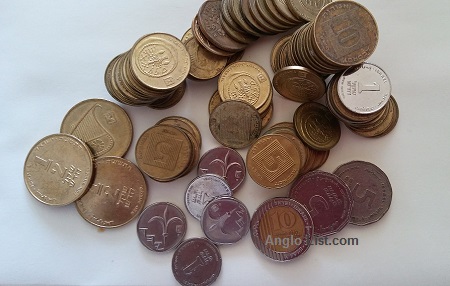
  • Check your change carefully especially for counterfeit 10 shekel coins.
  • Take a shopping cart with you – you’ll need it if you’re shopping for a family.  You can buy a shopping  cart in the market stalls that sell household goods and kitchenware. You can also buy a cart at some supermarkets and the large hardware chains like Home Center.   They cost anywhere between 80 – 150 shekels depending on the quality. Buy one that is sturdy and has strong wheels.
  • Wear comfortable, non-slip shoes as you can easily trip on squashed fruit and vegetables that have fallen to the floor.
  • Be prepared to be jostled around and even knocked into by shopping carts. After a few years in Israel, you’ll be jostling and deliberately knocking into others too.
  • Aside from a few negatives, the shuk is an exciting and worthwhile place to shop.  
  • Take your overseas guests for a real Middle-Eastern experience.

Aliyah & Living in Modiin

Reading Time: 5 minutes

The community of Modiin Maccabim-Reut

Making Aliyah, moving to and living in the community of Modiin

Hebrew: עליה ומגורים במודיעין

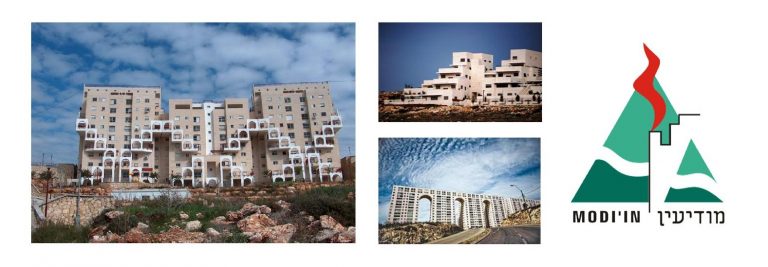
modiin maccabim reut

Modiin is less than an hours drive from Jerusalem in the south and Tel Aviv in the north. In 1990, the towns of Maccabim-Reut and Modiin merged into one and are now officially known as Modiin Maccabim-Reut or just Modiin for convenience.

Unlike many of Israel’s other large and older cities, careful town planning, the strategic positioning of services, the modern architecture and consideration of the environment,  have all contributed to the success of Modiin.

Ancient history of Modiin

The ancient town of Modi’in was the place of origin of the Jewish Hasmonean dynasty that ruled Judea in the 1st and 2nd centuries BCE, and it is where the Maccabean revolt against the Seleucid Greeks started.

Modiin Demographics

A community of about 80,000 people.  Set in green hills and wadis, it was designed to preserve the natural landscape. Unlike the weather in other parts of Israel, low humidity, light winds and comfortable temperatures make it an ideal location.

The city of Modiin includes a residential area, the main business center, an industrial park, and all surrounded by greenery.  The residential neighborhoods are conveniently built around the city’s core close to the railway station, shopping areas, business and commercial sites.

The community is made up of a young, educated, professional, Israeli population that are socioeconomically stable.  About 10 percent of the community are new immigrants from the FSU, the USA, the UK, South Africa and France.

Modiin is a modern city.  Town planners gave careful consideration to preserving, maintaining and promoting a green, eco-friendly environment.. Re-cycling is high on Modiin’s agenda.  Collection bins for plastic bottles, batteries, newspapers etc. are scattered across the city and at some of the educational institutions.  School children are actively involved in re-cycling with regular campaigns and activities in the city’s schools.

Employment opportunities in Modiin, Maccabim & Reut

With an emphasis on the environment and preserving the surrounding green areas, Modiin’s industrial park is located in the north of the city near the Ben Shemen Forest. The industrial park was planned to provide employment for 35,000 people in the fields of office industry, hi-tech, manufacturing, retail and education.

Education options

Schooling

Around 25,000 children of school-going age live in Modiin. There are over 150 kindergartens of all types, educational frameworks and religious orientation. Contact the Department of Ganim (kindergartens) & Tzaharonim (after school programs) at Telephone 972-6079/6081/6123 for more information.

  • 19 primary schools, 7 secondary schools and a yeshiva, offer educational programs in the fields of science and technology, arts and sports.  For information on primary and high schools in Modiin, contact Department of Education & Information  Telephone 972-6075/80.
  • After school programs are available in the kindergartens and in the schools (see contact info above).
  • Special education facilities are continually being developed in the city to meet the needs of all of Modiin’s students.   Liaise with your Aliyah emissary and the Aliyah office of Modiin’s municipality for a list of special-ed facilities. Contact the Department of Special Needs at Telephone 975-0939
  • Computers, internet and information technologies have been integrated into the schools and various learning program.

Adult Education

The Multidisciplinary Center in Modiin under the Open University offer bachelor’s and master’s degrees.  Career development, personal advancement, women’s advancement and other types of training are also offered at  the Multidisciplinary Center.

The Jewish community & religious life in Modiin, Maccabim & Reut

About 20 percent of the population in Modiin are Orthodox and Ultra Orthodox Jews.  Reform and Conservative  communities and prayer services are also held in Modiin.  The Modiin rabbinate oversees the synagogues, Mikves (ritual baths), kashrut and all other religious public services

Youth Movements

Among others the  Bnei Akiva Youth Movement and the Progressive Judaism Youth Movement offer activities for religious children and teens.

Plenty of transport options in Modiin

Transport Options: Conveniently located between Tel Aviv and Jerusalem, Modiin connects to the most largely populated areas in Israel.  In every main direction, 4 main highways connect Modiin to the rest of the country.  Another highway is on the drawing board and this will feed in and out of Jerusalem.

Modiin is closely located to Highway 6 (Kvish Shesh) – the  Trans-Israel Highway.  It is a toll road, but one of the most convenient ways of getting across the country.

The Modiin Railway Station connects the city on the Ben Gurion International Airport – Tel Aviv – Haifa – Nahariya line.  Modiin is just 17 minutes by train to Tel Aviv.

Modiin also has an efficient bus service and the night-time bus line (kavei leila) no. 222 operate there as well.

Entertainment & fun stuff

There are lots of parks scattered across the city, the largest of which runs along a wadi.  It has an amphitheater used especially in the summer for outdoor concerts and gatherings.  The amphitheater overlooks an artificial lake that attracts various bird species and aquatic fauna and flora.  Walking and biking paths can be found around the city. Water activities are planned around the lake.

Numerous archaeological, historical and tourist sites are in close proximity.  The Monastery in Latrun, Mini Israel and a military museum are easily accessible.  In 2001 the archaeological remains of ancient Modiin were discovered.  It is here that the brave Mattityahu and his sons lived; the leaders of the Maccabean revolt.

Every year, the national maths olympiad, a Purim parade, a dance festival, the national chess championship, a book week and art exhibitions are organized and held in the city.

Making Aliyah to Modiin

In order to help the new immigrate assimilate and integrate, the Absorption Department in Modiin, runs several activities for both adults and children:

Ulpan options and learning Hebrew

Mornings and evenings, the Department runs several different levels of Ulpanim. There are 3 different levels; Alef, Bet and Gimmel as well as a pensioners Ulpan. If your level of Hebrew is higher, or Ulpan hours do not suite you can get a referral from the Ministry of Aliyah & Integration to travel to another Ulpan in the area.

Olim Children

Olim children between the ages 6-18 up to 10 years in the country can attend the Study Center two afternoons a week with professional teachers and religious girls doing a volunteer program as part of their national service. The children get assistance with homework, have social activities, extra Hebrew lessons and a special course to prepare the young children for the first grade.

  • Children grades 1-6 are eligible to participate in an intensive 5-6 month Ulpan every morning.
  • Grades 7-12 also receive ulpan hours in Modiin or attend an Ulpan in Jerusalem.

When the Ulpan program is completed,  the students are integrated back into their regular schools and are provided with extra assistance if needed.

Activities

Olim clubs offer activities in various different languages: Russian, Spanish, English etc. and include:

  • MATI courses – Entrepreneurs in Israel, transfer from culture to Culture, Education in Israel.
  • Lectures: subjects such as Israeli history, current affairs, health, army service
  • Tours around the country, Israeli holidays and more.

Hosting New Olim

The Modiin Absorption Department can provide English speaking host families to help assist in the absorption process.

Employment for New Olim

The Absorption department coordinators connect the Olim with different human resources and employment offices and guide them through every step of finding a job and entrepreneurship.

Discounts on Arnona municipal tax

The Modiin Municipality subsidizes Arnona Municipal Tax for the first year and gives you a  90% discount on the first 100sqm of your home.

Volunteer

Volunteering is an excellent way to integrate into Israeli society. Today the department works together with volunteer families who assist the new Olim families with their integration process into the community and day to day life.

Housing options and rentals in Modiin Maccabing & Reut

Rental

  • A 3 roomed apartment with or without a garden is about 3,600-4,000 shekels per month.
  • A 4 roomed apartment with or without a garden is about 3,800-4,800 shekels per month.
  • A 5 roomed apartment with or without a garden about 4,800-5,500 shekels per month.

Floor plan and design of a typical 4 roomed Israeli apartment

Aliyah community comparisons

Purchase

The starting price for purchasing a home in Modiin is from NIS17,000 per sq/m (roughly $5,000)

Thanks to the Modiin Municipality for their contribution to this article.

THE ISRAELI HOUSING MARKET

0
Reading Time: 2 minutes

Israel real-estate: Renting, Purchase, Investing & Maintenance

housing collage

Housing & Renting in Israel

An overview of the housing market in Israel


Public Housing

Do you qualify for public housing in Israel?


Mortgages

Mortgage Q & A, regulations and  options


An Israeli Apartment – Floor Plan 

A floor plan of a standard 3 bedroom, Israeli apartment.  Measurements and dimensions


Rent Control

New laws and regulations


Oleh rent subsidy 

The in’s and out’s for new immigrants


Tips for Signing a Rental Contract 

Points and considerations for the lessor and lessee before signing  a rental contract


Standard Rental Contract 

A typical rental contract


Household Utilities

Electrical, water, property taxes, tariffs etc., all your household bills translated from Hebrew to English


Arnona & discounts

Are you eligible for a discount on your property taxes?


Extra information


Israel Housing Terminology 

Local definitions: a villa, a cottage, terraced housing etc.


Housing Survey

The real-estate needs and  trends among Israel’s English speaking oleh community.


Va’ad Habayit

Monthly house-committee payments and levy for tenants


Household Maintenance


Carpet cleaning tips

Experts tips


Upholstery cleaning tips

Expert tips


Household Repairs

How it works in Israel – 20 tips for calling the repairman


Water Saving Tips

Good ways to save and conserve our precious water


Pest & Bug Control Tips

In addition to a yearly visit from a professional pest controller be sure to follow these professional tips


Painting tips

Preparations, painting, priming and polishing


Housing Survey

The current real-estate needs and  trends among Israel’s English speaking immigrant community


1,000,000 Shekel Budget

Ashkelon, Tiberias, The Krayot, see what  750,000 – 1 million shekels can actually buy


Francais

Logement

Do you want to save 10,000 shekels every year?

Reading Time: 6 minutes

Stop throwing your money in the garbage bin. You can save money in Israel. 20 tips to beat the shrinking wallet syndrome.

Hebrew: איך לחסוך כסף – סודות החיסכון

money saving tips

With all the latest price increases, Israelis are finding it harder and harder to come out every month. New olim face financial challenges too. Perhaps it took longer than expected to find a job or you settled for a lower wage.  An unexpected expense may have forced you to dip into your savings. Whatever the reason, in order to get out of debt and start saving you will have to make some lifestyle changes.

Cutting expenses is a daily challenge. Property prices have risen by 16% in the last few months. Interest rates on saving schemes and foreign currency deposits, are low.  Speculating in stocks is risky and Bitcoin and other cryptocurrencies are sure to fluctuate.  Bad spending habits combined with not having the Hebrew language skills to ask the right questions could force you into a financial stale-mate.

A bridging loan is not a solution – it’s just the bank’s way of making money. Loans, overdrafts and monthly installments (Heb: tashloomim – תשלומים) encourage unnecessary spending.

Don’t despair! There are ways to save money in Israel and cut down on expenses.

A simple example; buy milk in a plastic bag rather than in a carton – this will save you a few shekels a week. You might think this is insignificant and not worth the effort, but when you multiply those few shekels by 52 (weeks in the year) you’ll find that you have already saved a few hundred shekels.

You’d never take cash and throw it directly into the garbage bin, so why would you throw away money by paying extra for an item.

Here are some money management tips that are easy to implement and really do work.

Shopping

Tip #1

To save 500 shekels a year, buy the regular un-sliced, subsidized bread (לחם אחיד לא פרוס) which is about 1.5 shekels cheaper than the sliced loaf.

Tip #2

Save 1,000 shekels a year, by buying milk in plastic bags. You can pay up to 8.90 shekels per liter for milk in a carton, whereas the plastic bag is considerably less.  The price for milk in a plastic bag is set at 5.17 per liter.

Tip #3

To save 1,000 shekels a month – that’s a whopping 12,000 shekels/year a year – start shopping at the shuk (the fruit and vegetable market) on Friday afternoons.

From 2:00pm on Friday afternoons the price of fruit and vegetable at the shuk drops drastically. You can buy enough fruit and veg for a family of four, for an entire week for about 150 shekels. Those same items bought during the week can cost up to 50 per-cent more. At your local supermarket or convenience store the price difference will be even higher.

For example: 4.50/kg for apples on Friday afternoon in the Haifa shuk compared to 7 shekels/kg midweek or at the supermarket for upwards of 10 shekels/kg

Special breads, fish, grains, legumes and spices are also cheaper at the shuk.  Twenty five shekels – thirty shekels/kilo for fresh Buri compared to 98 shekels/kilo for Buri fillets in the supermarket.

Tip #4

Do not do grocery shopping on an empty stomach. Studies show that hungry shoppers are likely to spend around 20 per-cent more. On a 2,000NS/month food bill – you can save around 400NIS/month this way.

Tip #5

Try to leave the kids at home when you go to the grocery store. An impulse purchase like ice-cream for the kids, sodas or a take-away meal can easily add 50 – 200 shekels to your expenses for the day.

Tip #6

Shop with a list and stick to it. Online grocery shopping helps to eliminate impulse purchases. Prices are often quoted per 100gr and here you can easily determine what is cheapest.

Tip #7

If you are serious about saving money, it’s mostly cheaper to buy the house-brand.

Tip #8

Avoid going to the supermarket every few days. Plan your menus ahead of time and do one large grocery shop every month. Schlepping your groceries from the street to your apartment, is back-breaking. Take advantage of the delivery services large supermarkets offer. For around 30 shekels (and even less if you spend over a certain amount or shop on certain days) and a small tip you can have your groceries delivered right to your front door.

Tip #9

Take advantage of special offers and coupons wherever possible but make sure that the “buy 2, get 1 free” offer is, in-fact, a special offer. Be sure to use the item within a month or two.  If not, you’ll save by buying an individual item. This is especially if you have an overdraft. Why give your hard-earned cash to the supermarket if you can keep it in your current account and avoid overdraft fees.

Download your favorite supermarket app where they offer coupons and additional discounts.

Tip #10

Shop in hyper or outlet stores wherever possible. Your local neighborhood supermarket or convenience store can be 25 – 50% more expensive.  That could translate to 400NIS/month.

Tip #11

Shop in stores that cater specifically to the religious community. These stores are generally cheaper. Meat products catering to the Orthodox community might be more. (Remember to dress modestly and appropriately for this shopping experience)

In the home

Tip #12

Use the half-flush setting on your toilet whenever possible and then watch the saving on your water bill.

Tip #13

When you finally settle into your own home, install a solar boiler for all your summer hot water needs.  There is enough sunshine in Israel to power your boiler and supply hot water for around 8 months in the year. This can cut your monthly electricity bill down by half.

Tip #14

Negotiate your bills with service providers. You can reduce your cable/telephone/internet package if you complain about the rate and threaten to leave. Knowing Hebrew is a must to get this saving. Ask a friend for help!

Free services like Face Time, WhatsApp, Messenger, or discounted phone packages that include special rates for overseas calls to both landlines and mobiles are a huge saving. For around 40 shekels/month you can get a mobile phone package with unlimited local calls and free calls to selected countries abroad (a must have for all olim). Some of these phone packages include a 2nd, 3rd or even a 4th line at a discounted rate. Get your entire family onto the same package and you can save around 100 shekels per month.

Tip #15

Anti-virus software that might have been added on by your internet carrier can cost close to 400 shekels per year. Downloadable, anti-virus software subscription, for 5-10 devices, costs in the region of 200 shekels per year (and some are even free). That’s already a 50% saving.  If you are not computer savvy, leave this one alone – it will cost you more to call a computer technician to fix a glitch.

Tip #16

Replacing appliances?  Sadly there are many olim who leave Israel after a short time and are selling their stuff.  You can find amazing deals on almost-new appliances and furniture via second-hand groups on Facebook.

Entertainment

Tip #17

Get rid of all unnecessary subscriptions. Do you really need that annual subscription to a magazine from abroad at $10 – $15 an issue? Read news online for free and if you are still want a printed newspaper, free Hebrew editions are handed out on street corners.

Gym, kick-boxing or the country club your signed up for and never use. These “chugim’ could be costing you 200 or 300 NIS a month. Cancel and ask for a refund. Limit you kids to the number of chugim and after school activities they can participate in.

Transport

Tip #18

To save 500 shekels a year, use the self service lane at the petrol station. As at May ’22, the current full-service price of fuel is 7.27 NIS/L.  A liter of fuel in the self-service lane is approximately 30 agorot cheaper. If you are filling up twice a month using the self-service lane offers can make a significant difference to your annual fuel bill.

Tip #19

If you use public transport more than once a day, make sure you have a monthly pass for the RavKav smart card ticketing system. You will save a minimum of 50 shekels a month and even more on combined tickets.  If you seldom use public transport, pay for your rides via apps like Moovit or Rav Pass where you pay per ride debited to your credit card.

Tip #20

Get rid of all those extra credit cards. It’s hard to keep track of all your purchases and even if you don’t use the card, you are still paying a monthly fee (around 15 shekels/month/card). Have one card only and all your monthly expenses will glare you in the face. You’ll be surprised at how many impulse purchases you’ve made and their cumulative cost.

There is no way around it, if you want to cut down your expenses, you have to be disciplined and change your spending habits.  Add these savings up and you’ve reached over 10,000NIS/year.

To achieve financial freedom, take control of your spending.  Get rid of your overdraft by implementing these tips now!

Do you have a money saving tip you’d like to share with us? Please do so in the comments section below.

Israel Supermarket Price Comparisons – Latest Figures

Reading Time: 4 minutes

May 2022 – Israel supermarket prices. Latest price hikes and price freezes.

How much does it cost to live in Israel?  

Hebrew: השוואת מחירי מוצרים בישראל

Numbeo.com is a crowdsourced global database. Their 2022 figures have Israel’s cost of living ranked as the seventh highest in the world with Tel Aviv now reportedly the most expensive city in the world overtaking Paris, Singapore, Zurich, Hong Kong, New York, Geneva, Copenhagen, Los Angeles and Osaka.

Recent price adjustments in Israel, have seen a property price hike, electricity and arnona (municipal rates and taxes) going. Gasoline is now at a record high.  After Pesach we saw the price of food especially staples and fruit and vegetables.

supermarket trolley filled supermarket prices

From city to city, the cost of living in Israel varies considerably. You will find large differences in prices in Israel’s supermarkets and even in hyper- or neighborhood-stores within the same chain.  Online shopping is becoming more and more popular.  Local websites like Zap help you compare the prices of electrical items, insurance and clothing items in Israel.

To help you build your monthly Aliyah and relocation budget, every year for the past 11 years Anglo-List has been comparing prices of groceries and household items.  

Mega and Shufersal are the most expensive supermarket chains in Israel (their fresh meat is good though). Some swear that Rami Levy is the cheapest while others insist it’s Yayinot Bitan – some say its Victory. I have been shopping at Osher Ad lately and I find their prices really good. Their fresh meat is expensive as they cater to a religious clientele with specific kashrut standards.

All the fresh meat products listed in our comparison are kosher under the local Rabbinate.  You will pay more for Mehadrin and Badatz and of course you will pay less for meat bought at a non-kosher outlet.

Some of the cheaper supermarkets don’t have an online- or delivery-service so if in-store shopping is something you cannot do, you will have to pay more for the online experience.

All supermarket prices are quoted in New Israeli Shekels.  Expect to pay more in a makolet – the small neighborhood grocery store.

The Shufersal online shopping experience is very user friendly and so for purposes of this comparison, we are quoting Shufersal prices only.  Some of the prices listed here are currently on special-offer.  This is an independent comparison and Shufersal has NOT played any part in it or sponsored it in any way whatsoever.

Here are Shufersal prices as at 24th May, 2022

Saving money in Israel

You can definitely save money if you are prepared to shop around.

Choose your supermarket with care and think carefully about every shekel you spend. A one shekel price difference here or 5 shekels there all adds up. If you can save one shekel on every grocery item you purchase that could translate into 100-200 NIS/month or 1200 -2400 NIS/year.  What can you do with that extra cash in your bank account? Silly question!!

Buying one month’s worth of groceries at a time is a money-saving tactic.  Discipline yourself to cook with the ingredients you have rather than give in to your daily whims.

Pay less with a loyalty card

Loyalty cards are very popular in Israel.  They allow you to accumulate points or get immediate discounts. Some loyalty cards are combined with credit cards. Some are free but not all.  If combined with a credit card, the loyalty card is usually free for the first year after which you can expect to pay around 15 shekels/month for the card. Check the small print before you sign up. 

Discounts on bulk packaging are popular in Israel; buy one, get the second at half the price, buy two get one free, four for 10 shekels or 3 for one hundred.  Be price-wise, often these are marketing tactics designed to get you to part with more money than you were planning to spend.

More price checks

Other ways to save

Making Aliyah soon? Do the currency conversion.

May 2022 –  1 shekel equals…

US Dollar Canadian Dollar Australian Dollar ZAR British Pound Euro
0.30 0.38 0.42 4.68 0.24 0.28

Do you know the history of the supermarket in Israel?

Did you know that the Shufersal supermarket chain was founded in 1958?  It was originally called Shufra-Sal and then Shufersal. Amongst Israel’s Anglo community, it is known as the Supersol.

Rami Levy, now a supermarket giant, started his retail career working in a small grocery store (Heb: makolet) in Jeruslem’s Mahane Yehuda market.

Enjoying a Day in Jerusalem.

Reading Time: 3 minutes

Places of interest, off the beaten track & fun things in Jerusalem for the whole family.

Hebrew: טיולים וסיורים בירושלים

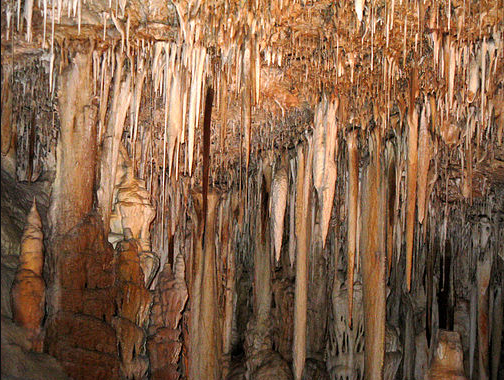
Stalactite formation at Sorek Cave
Stalactite formation at Soreq Cave – Wikimedia

The Soreq (Sorek) Cave

At the heart of the Avshalom Nature Reserve on the western slopes of the Judean Hills, the Soreq Cave, discovered only in 1968, contains an amazing variety of stalactites and stalagmites. Some formations are at least three hundred thousand years old.  Scientists have been able to track climate changes over the millennia. A routine blast in the nearby Har-Tuv quarry tore away the rock face, revealing a subterranean wonderland.

Colored lights have been used to highlight the stones. The stalactites have been given nicknames like “macaroni,” “curtains,” and “sombreros.”

There are 150 steps down to the cave.

  • Entry to the cave is only with a tour; entry without a tour is not possible and tours must be booked in advance via the KKL website.

Address: Route 3866, Avshalom Nature Reserve
Phone 02-991 1117
Entrance fee: 29 shekels
Hours:

April – Sept: Saturday – Thursday 08:00 – 17:00, Friday 08:00 – 16:00

October – March: Saturday – Thursday 08:00 -16:00, Friday 08:00 – 14:00

For the Disabled – Wheelchair Access

Lotem Integrated Nature Studies have developed a number of wheelchair accessible tours in Jerusalem and its environs.

A tour of the Jewish Quarter includes a visit to Mt. Zion, David’s Tomb, The Cardo, City Walls and the Western Wall.  The tour can also be combined with a visit to various museums and the Herodian Quarter.

For more information on all the tours that Lotem have to offer contact Tammy at 054-6512653

The Herzl Museum

“We were in Jerusalem recently, with my family from abroad” writes Thelma.  “They had not been to Israel before and I was given the responsibility of giving them a taste of our history, culture and religion in the few days we had together.  With my limited knowledge,  I decided it best to hire a tour guide and it was great fun to have him at our disposal.  Anyway, typically, my teenage children get bored with anything that is not instantly accessible on a computer monitor, a tablet or mobile phone.  So when our guide told us that he had arranged a visit to the Herzl Museum, the kids just grunted and groaned.  I must say that the only thing I could think of was that it was going to be “boring, boring…”.  We tried to talk the guide out of it,  but he told us to “go with the flow” (liz’rom in Hebrew).

Davka, that week there was a heat-wave (a hamsin), three days of dust and intense heat with temperatures of 38ºC.  We had been outside all morning and all we wanted was an ice-cream and some air-conditioned comfort.  So, we agreed to the Herzl Museum visit and we bought the tickets.

Adults 25 NIS per person
Children to age 6 Free when accompanied
by an adult
Children from age 6 / soldiers
students / senior citizens
20 NIS per person
Youth and army groups (over 20 persons) 15 NIS per person
Adult groups (over 20 persons) 20 NIS per person

We were very pleasantly surprised.  The entire visit was interesting, well presented and very enjoyable.  The audio-visual presentation, although an hour long, gave a thorough insight into Theodore (Ze’ev) Herzl’s life, his vision and his achievements.

The audio-visual presentations are screened in Hebrew, English, Russian, French, Spanish and German at different times of the day.  You have to book in advance otherwise you might find yourself having to sit through the Spanish presentation instead.

After the presentation we walked through the gardens to Herzl’s grave in the National Cemetery.  Prime Ministers Eshkol Levi, Golda Meier, Chaim Herzog and Yitzhak Shamir are buried there.  Yitzhak & Leah Rabin as well as other notable public figures are also buried there.  After a few hours, we left the Museum. It had turned into a fun visit, a wonderful outing and an experience we will remember always.  It’s disabled friendly too, so it gets a 5/5 score from me and my family.

The Museum is located at the entrance to Mt. Herzl, on Herzl Blvd., Jerusalem.

Bus lines to the Museum: 14, 18, 20, 27, 33, 13, 21 and there are taxis driving up and down the boulevard all the time.  Parking is available.  The Jerusalem Light Rail also stops there.

For more info call 02-6321515 – they are extremely helpful and they speak English!”

Use our travel resources and recommendations to plan your next outing or vacation in Israel.