17.6 C
Jerusalem
Thursday, May 28, 2026
Sample Page
Home Blog Page 45

BEFORE ALIYAH – FIRST STEPS

Reading Time: < 1 minute

Before making Aliyah to Israel – need to know first steps

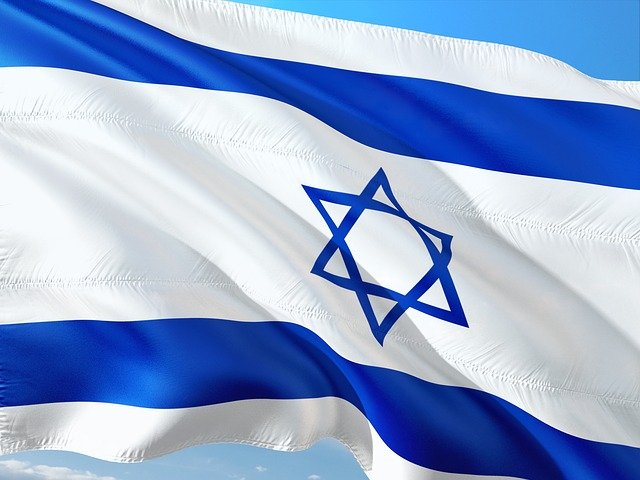
ISRAEL FLAG
Flag of Israel

Mazaltov on your decision to make Aliyah to Israel. Moving to Israel is exciting and many challenges lie ahead.

The practical business of moving to Israel is a huge undertaking, but we’ve broken it down into manageable steps and with our detailed and flexible Aliyah plan in place, you should be able to step into your new life and integrate with the minimum of disruption.

First steps – before making Aliyah:

Contacting the Aliyah organization and shaliach (Aliyah emissary) in your country

Documents for Aliyah

Aliyah planner

Downsizing

Making Aliyah and traveling with pets

What not to bring?

Visas

Aliyah from Canada

Aliyah from South Africa

Aliyah from the United Kingdom


Extra Aliyah and relocation information

Power of Attorney

Reading Time: < 1 minute

Power of Attorney in Israel – POA

The General Power of Attorney


The Continuing Power of Attorney

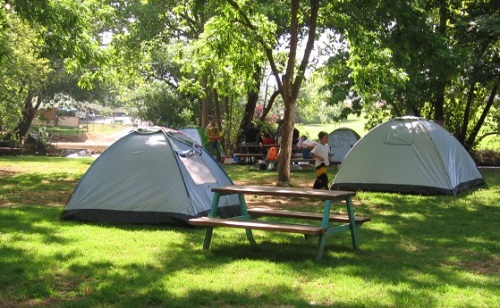
Camping in Israel

Reading Time: < 1 minute

Essential camping tips, hacks and information for novice campers in Israel.

Get back to nature and enjoy sleeping in the outdoors and under the stars. We’ve put together a selection of resources, tips and recommendations – in fact, everything you need to know about camping and campsites in Israel is here in one place.

Plan your family’s camping trip

A successful camping trip is a well planned one. Plan for everything; bad weather, good weather, sunburn and chafing, washing lines, improvised refrigerators, bites and boredom.

Top camp-sites

Camping terminology

Camping words and terms – Hebrew, English and transliterations

Sites, attractions and tips

Travel and tour Israel with our resources, recommendations and tips.

Video gallery

One minute travel videosVideo Gallery

Top 5 Israel museums that you must visit

Reading Time: 3 minutes

Top 5 Israel museums that you must visit

Top 5  Israel museums that you must visit

Visiting the museum is a great way to refresh your routine and develop critical thinking. There are hundreds of successful museums across the country, but you should start with the recommended places to ensure a pleasant and positive experience.

The museum is a meeting place of art, culture and history. The museum visit is suitable for a wide range of ages and is also recommended for families with children. It is possible to combine a guided tour with a trip to various parts of the country or to devote a few spontaneous hours to a changing exhibition.

The important thing is to match the visit to the areas of interest and do not forget to come with comfortable shoes. Here are five recommendations for museums in Israel that you must visit:

1. The Tel Aviv Museum of Art

At the Golda Meir compound on 27 Shaul Hamelech Boulevard in Tel Aviv you can visit the museum which is one of Israel’s leading art and cultural institutions.

The Tel Aviv Museum of Art offers a department of Israeli art, a rich collection of local works from the early 20th century, and also includes a drawing and printing department, a photography department, and a department of design and architecture.

2. Carasso Science Park

Another recommended museum is located on 79 Ha’atzmaut Street in Be’er Sheva and proves that you do not have to stay in a closed place to enjoy cultural entertainment. The park is actually the largest science museum in Israel and it deals with a variety of fields of science and technology.

The park can be played in 10 interactive exhibits and there is also an experiential fountain. The Carasso Science Park is open every day from 09:00 to 17:00 except Fridays.

3. The Israel Museum

No Israeli can afford to give up the Israel Museum in Jerusalem. This is without a doubt the largest cultural institution in the country and is in line with the world’s leading art and archeology museums.

The museum collection is presented in no less than four renovated sections, and each one can find fascinating works that are suitable for personal taste. The museum is open every day including Friday, holiday and Shabbat eve.

4. Haifa Museum of Art

It is recommended to spend at least half a day of sightseeing in the North to visit the Haifa Museum of Art. The museum is located on 26 Shabtai Levy Street and is active all week long.

It is one of the three largest art museums in Israel, with emphasis on contemporary works that try to resonate with both Israeli and international reality. The museum has 3 exhibition floors and dozens of spacious spaces.

5. Museum “Footprints in the Valley”

Those who want to take advantage of the free time to follow the historical roots of the Land of Israel need to get to the museum “Trail in the Valley”. It is an active educational center with a regional and Mediterranean archeology wing, as well as an annex dedicated to the “Wall and Tower”.

The museum is a must-see for families with children and a pilgrimage center for tourists from all over the world. It is located within the “Sakhna” National Park and can be combined with a camping or fun day.

YOM HA’ATZMAUT RESOURCES

Reading Time: 2 minutes

Yom Ha’Atzmaut – Israel’s Independence Day

Yom Ha’Atzmaut, Israel’s Independence Day is celebrated in the spring, on the 6th Iyar in the Hebrew calendar.

Yom Ha’Atzmaut background & traditions – days of sorrow leading up to a joyful celebration.


About Israel

Cool facts and figures – things you never knew about Israel


Declaration of Independence

The Official Translation of the Declaration of Independence by the Israel Ministry of Foreign Affairs.


Israel innovations


Jokes


National Anthem

Words to- and history of- Israel’s national anthem – HaTikvah (The Hope)


Yom HaAtzmaut Barbecue – Mangal


Yom Hazikaron – Memorial Day for the Fallen

From deep sorrow to joy – Memorial Day for the Fallen Soldiers of Israel and Victims of Terror precedes Yom HaAtzmaut.


Unto every person there is a name

Every year on Holocaust Remembrance Day (Yom HaShoah), the Knesset holds the “Unto Every Person There is a Name” ceremony in the Chagall State Hall


A family day

Israel’s Seasonal Fruits & Vegetables.

0
Reading Time: 4 minutes

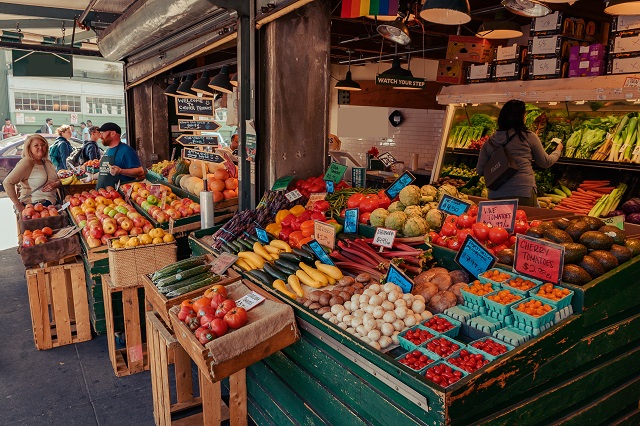
Which fruits and vegetables are in season right now? A monthly produce guide of seasonal fruits and vegetables in Israel.

This image has an empty alt attribute; its file name is fruit-and-vegetable-market.jpg

Not only a country “flowing with milk and honey” (as written in the bible)  there in an abundance of fresh fruit and vegetables grown locally in Israel.  Israel exports more than $2 billion worth of fresh produce around the world – Jaffa oranges, seedless watermelons and small cucumbers (great for pickling) are just a few Israeli seasonal fruits and vegetables that are well renowned.

The cheapest fruit in peak season

Some produce in your local shuk (market) and supermarket (where you can purchase online), is available all year round but each variety has its season when the flavors are at their peak.  As soon the peak season draws to an end, the price of the produce will begin to rise; when bananas are in peak season, for example, the shuk price is around 5NIS/kg – as the season draws to an end around May/June, the price shoots up to around 12NIS/kg.  Most fresh herbs are available all year round.

Kosher fruit and vegetables

There are specific laws regarding kosher fruits and vegetables called ‘orlah’ where fruits are not harvested during the first 3 years.  Supermarkets generally do not follow this practice and if it is part of your belief and important to you, then you will need to purchase your fruits and vegetables form another certified source.

Winter

Seasonal fruits and vegetables for January

Fruits:

Anona (cherimoya), apples,  Asian pears, avocado, bananas, cherry tomatoes, chestnuts, clementines, dates, grapefruit, Kiwi fruit, kumkwats (Chinese oranges), lemons, oranges, pears, persimmons, pine-apples, pomegranates, pomelo, pomelit,  quinces, strawberries, tomatoes

Vegetables:

Beets, broccoli, butternut, cauliflower, cabbage, carrots, Chinese cabbage, chicory, corn, courgettes, cucumbers, eggplant, fennel, garlic, Jerusalem artichoke, kale, kohlrabi, leeks, lettuce, mushrooms, onions, potatoes, pumpkin, radish, runner beans, sweet peppers, sweet potatoes (batata), Swiss chard (mangold), turnips

Seasonal fruits and vegetables for February

Fruits:

Anona (cherimoya), apples,  Asian pears, avocado, bananas, cherry tomatoes of all colours, chestnuts, clementines, dates, grapefruit, Kiwi fruit, kumkwats (Chinese oranges), lemons, oranges, papaya, pears, persimmons, pine-apples, pomegranates, pomelo, pomelit,  quinces, strawberries, tomatoes

Vegetables:

Artichokes, beets, black radish, broccoli, butternut, cauliflower, cabbage, carrots, Chinese cabbage, chicory, coconut, corn, courgettes, cucumbers, eggplant, fennel, garlic, grapes, Jerusalem artichoke, kale, kohlrabi, leeks, lettuce, mushrooms, onions, potatoes, pumpkin varieties, radish, runner beans, sweet peppers, sweet potatoes (batata), swiss chard (mangold), turnips

Seasonal fruits and vegetables for March

Fruits:

Apples, avocado, bananas, cherry tomatoes of all colours, clementines, dates, grapefruit, Kiwi fruit, kumkwats (Chinese organges), lemons, oranges, papaya, pears, persimmons, pine-apples, pomegranates, pomelo, pomelit,  quinces, strawberries, tomatoes

Vegetables:

Artichokes, beets, broccoli, butternut, cauliflower, cabbage, carrots, Chinese cabbage, chicory, coconut, corn, courgettes, cucumbers, eggplant, fennel, garlic, Jerusalem artichoke, kale, kohlrabi, leeks, lettuce, mushrooms, onions, potatoes, pumpkin varieties, radish, runner beans, sweet peppers, sweet potatoes (batata), Swiss chard (mangold), turnips

Spring

Seasonal fruits and vegetables for April

Fruits:

Apples, avocados, bananas, butternut, cherry tomatoes, grapes, grapefruit, kiwi, lemons, loquats, mandarins (clementines), melons, oranges, passion fruit (granadillas), pears, strawberries, tomatoes, watermelon,

Vegetables:

Artichokes, beets, broccoli, cauliflower, cabbage, carrots, corn, cucumbers, eggplant, fennel, garlic (peak season), kohlrabi, lettuce, mushrooms, onions, potatoes, pumpkin, turnips, sweet peppers, sweet potatoes (batata), Swiss chard (mangold)

Seasonal fruits and vegetables for May

Fruits:

Apples, apricots, avocados, bananas, butternut, cherry tomatoes, cherries, grapes, grapefruit, kiwi, lemons, loquats, mandarins (clementines), melons, oranges, papaya, passion fruit (granadillas), peaches, pears, nectarines, sabras (prickly pears), strawberries, tomatoes, watermelon

Vegetables:

Artichokes, beets, broccoli, cauliflower, cabbage, carrots, corn, cucumbers, eggplant, fennel, garlic, kohlrabi, lettuce, mushrooms, onions, potatoes, pumpkin, sweet peppers, sweet potatoes (batata), Swiss chard (mangold)

Summer

Seasonal fruits and vegetables for June

Fruits:

Apples, apricots, bananas, cherry tomatoes, cherries, grapes (green), lemons, melons, oranges, peaches, pineapple, plums, nectarines, strawberries, tomatoes, watermelon

Vegetables:

Artichokes, asparagus, beets, broccoli, butternut, cauliflower, cabbage, carrots, corn, cucumbers, eggplant, fennel, garlic, kohlrabi, lettuce, onions, mushrooms, potatoes, pumpkin, sweet peppers, sweet potatoes (batata), Swiss chard (mangold)

Seasonal fruits and vegetables for July

Fruits: 

Apples,  bananas, cherry tomatoes, cherries, grapes (black & green), lemons, lychees, mangoes, melons, peaches, pears, plums, prickly pears (sabras), nectarines,  tomatoes, watermelon

Vegetables:

Artichokes, beets, broccoli, butternut, cauliflower, cabbage, carrots, corn, cucumbers, eggplant, fennel, garlic, kohlrabi, lettuce, mushrooms, onions, potatoes, pumpkin, runner beans, sweet peppers, sweet potatoes (batata), Swiss chard (mangold)

Seasonal fruits and vegetables for August

Fruits:

Apples,  avocados, bananas, cherry tomatoes, grapes (black & green), lemons, lychees, mangoes, melons, peaches, pears, plums, prickly pears (sabras), nectarines,  tomatoes, watermelon

Vegetables:

Beets, broccoli, butternut, cauliflower, cabbage, carrots, corn, cucumbers, eggplant, fennel, garlic, kohlrabi, lettuce, mushrooms, onions, potatoes, pumpkin, runner beans, sweet peppers, sweet potatoes (batata), Swiss chard (mangold)

Seasonal fruits and vegetables for September

Fruits:

Apples,  bananas, cherry tomatoes, dates, grapes (black & green), lemons, lychees, mangoes, melons, peaches, pears, pine-apples, plums, pomegranates, prickly pears (sabras), nectarines,  tomatoes, watermelon

Vegetables:

Beets, broccoli, butternut, cauliflower, cabbage, carrots, courgette, cucumbers, eggplant, garlic, kohlrabi, lettuce, mushrooms, onions, potatoes, pumpkin, runner beans, sweet peppers, sweet potatoes (batata), Swiss chard (mangold)

Autumn

Seasonal fruits and vegetables for October

Fruits:

Anona (cherimoya), apples,  Asian pears, avocado, bananas, carambola (star fruit), cherry tomatoes, clementines, dates, guavas, grapefruit, grapes, Kiwi fruit,  lemons,  limes, mangoes, melons, oranges, papaya, peaches, persimmons, pine-apples, pears, plums, pomegranates, pomelo, prickly pears (sabras), nectarines,  quinces, tomatoes, watermelon

Vegetables:

Beets, broccoli, butternut, cauliflower, cabbage, carrots, corn, courgettes, cucumbers, eggplant, fennel, garlic, Jerusalem artichoke, kohlrabi, leeks, lettuce, mushrooms, onions, potatoes, pumpkin, runner beans, sweet peppers, sweet potatoes (batata), Swiss chard (mangold)

Seasonal fruits and vegetables for November

Fruits:

Anona (cherimoya), apples,  Asian pears, avocado, bananas, cherry tomatoes, clementines, dates, guavas, grapefruit, grapes, Kiwi fruit, lemons, limes, mangoes, melons, oranges, papaya, peaches, pears, persimmons, pine-apples, pomegranates, pomelo, prickly pears (sabras), nectarines,  quinces, strawberries, tomatoes

Vegetables:

Beets, broccoli, butternut, cauliflower, cabbage, carrots, Chines cabbage, chicory, corn, courgettes, cucumbers, eggplant, fennel, garlic, Jerusalem artichoke, kale, kohlrabi, leeks, lettuce, mushrooms, onions, potatoes, pumpkin, radish, runner beans, sweet peppers, sweet potatoes (batata), Swiss chard (mangold)

Seasonal fruits and vegetables for December

Fruits:

Anona (cherimoya), apples,  Asian pears, avocado, bananas, cherry tomatoes, chestnuts, clementines, coconuts, dates, guavas, grapefruit, Kiwi fruit, kumkwats (Chinese oranges), lemons, oranges, pears, persimmons, pine-apples, pomegranates, pomelo, pomelit, prickly pears (sabras), nectarines,  quinces, strawberries, tomatoes

Vegetables:

Beets, broccoli, butternut, cauliflower, cabbage, carrots, Chinese cabbage, chicory, corn, courgettes, cucumbers, eggplant, fennel, garlic, Jerusalem artichoke, kale, kohlrabi, leeks, lettuce, mushrooms, onions, potatoes, pumpkin, radish, runner beans, sweet peppers, sweet potatoes (batata), Swiss chard (mangold), turnips

Herbs all year round

Basil, celery, chives, coriander, dill, flat leaved parsley, leeks, marva, nana (mint), spring onions, sprouts, thyme

NATIONAL SECURITY

Reading Time: < 1 minute

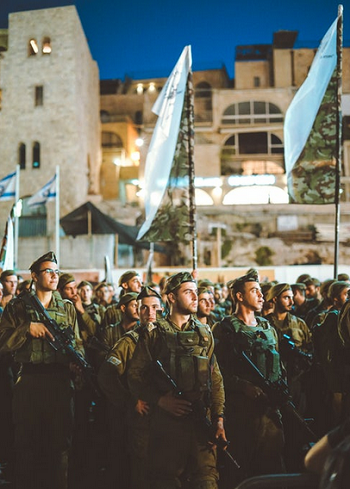
Protecting Israel’s citizens from unfriendly attacks, terrorist events or natural disasters combines the efforts of the Israel Defense Forces (IDF) and the Home Front Command. At the same time, it is important that we, the citizens, know how to behave in an emergency situation. Whether we are confronted with an unidentified object, a terrorist attack or an earthquake, we need to know how best to behave. Here are some of our tips:

Calling the emergency services

Calling the emergency services and explaining your emergency to them with vocabulary for typical scenarios in Hebrew, English and with transliterations.


Earthquakes

Train your family for correct behavior in the event of an earthquake


Emergency Drills

What to expect in the event of an emergency drill which happens from time to time.


Emotional Support Services

In your time of need, reach out for support from one of Israel’s many emotional support services


Gas masks

Do you still have a gas mask? Do you need to keep the gas mask?


Missile & Rocket Fire

Pikud Haoref safety guidelines for rocket and missile fire.


Special needs community

Israel’s special-needs community are required to make unique preparations for an emergency situation or in the case of a rocket attack.


Suspicious items

What constitutes a suspicious item or ‘Hefetz Hashud’.


Terrorism

We never know when there will be another wave of terror or an isolated terrorist attack. Correct behavior when confronted with these dangerous situations can and will save lives.


Threat of war

Preparations you need to make should there be a threat of war


Hebrew-English: Suspicious Events

Learn the Hebrew words for all types of emergency situations and threats – with English and transliterations