11.5 C
Jerusalem
Wednesday, May 6, 2026
Sample Page
Home Blog Page 138

Comparing Israel mobile phone carriers and call plans.

0
Reading Time: 4 minutes

A comparison of Israel’s mobile phone carriers and call plans.

Hebrew: ספקי שרות סלולרי

mobile phone plans

Until 2012, there were 3 mobile cellphone carriers in Israel; Pelephone, Orange and Cellcom.  Cellcom was the market leader.

New immigrants found it difficult to choose a mobile phone carrier or plan as there was almost no English information available. Often they felt that they had been coerced into signing a Hebrew contract without fully understanding their commitment. People received outrageous bills for thousands of shekels. Customer service representatives, with almost no English, were known to be impatient and impolite, slamming down the phone or walking away from clients. Thankfully, things have improved a little.


Understanding the need for English resources, we took up the challenge and published Hebrew English translations of some of the mobile phone bills


New mobile phone carriers enter the market

The summer of 2012 brought about a revolution in the mobile phone market and 5 new carriers came onto the scene.  Among them, HOT Mobile and Golan Telecom  who began discounting mobile phone plans. Both started by offering unlimited plans for only 99 Shekels per month.  This prompted the other mobile phone carriers to re-evaluate their packages and pricing.  Competition between mobile phone carriers is fierce and they all offer discounted packages

These are the cellphone carriers in Israel today:

  1. Cellcom
  2. Pelephone
  3. Orange
  4. HOT Mobile
  5. Golan Telecom
  6. Rami Levy
  7. 012 Mobile
  8. 019 Mobile

As of November 2016, the carrier, YouPhone is no longer operational

Fun Phone Fact  Did you know that Motorola was the first company to produce a handheld mobile phone? On 3 April 1973, Martin Cooper, a Motorola researcher and executive, made the first mobile telephone call from handheld subscriber equipment, placing a call to Dr. Joel S. Engel of Bell Labs.

Private Cellphone Companies

Smaller, private companies offer mobile phone packages, internet and landline options. Some offer American or Canadian virtual numbers with caller ID which may be an important aspect of setting up your business in Israel.

Best Cellphone Deals & Prices

Mobile phone packages start from 9 Shekels per month for a limited and metered plan. For around 39 shekels per month, you can get packages with unlimited texting and calls to local numbers, free or discounted calls to landlines and mobile numbers abroad. Internet access is also included in some of these packages. This is a far cry from the pre-revolution costs which ran into hundreds of shekels per month.

Making International Calls from a Cellphone

It is important to note that not all packages include international calls. Some packages include calls to specific countries only. Calls to international land-lines and international mobile numbers may be charged at different rates. Read the small print.

First & Second Generation Mobile Phones

You may still be able to find a suitable for older phones (and Kosher phones) It is important to sign up with a carrier that can support your phone.  It’s unlikely that you will find a carrier that supports Blackberry, at this stage – a phone which many South Africans and immigrants from the U.S.A. were bringing on Aliyah with them.

Top Tip Before Changing Carriers & Providers

Before you take the final step and change over from your existing carrier to another one,  we suggest that you contact your existing carrier, tell them with a firm voice, that you are planning to leave and ask if they can offer you a plan comparable to the one you are considering from the new carrier.

Buying a Cell Phone

Purchasing a mobile phone from a cellphone carrier in Israel, is expensive and you can get cellphones cheaper from electronic stores around the country or online. The lesser-known Chinese brands you can purchase online basically all do the same thing and these are good options for young school children who are likely to lose or damage a phone.  In order not to arouse the suspicions of the tax authority,  don’t place an online order more than phone at a time.

Do your homework before you commit to a buying a phone.  Cellphone carriers are happy to sell you a phone and they will rope you into 36 month contract that you will not be able to get out of. Find out exactly what you are getting (or not getting) before you buy a phone from a retail electronic store. It may be worth buying from a Samsung or iPhone store, for example and paying an extra few hundred shekels for a full guarantee and original spare parts.

Comparing Cell Phone Prices

Use a website like zap.co.il to compare the prices of latest mobile phones and accessories.  ZAP is a Hebrew website and while most of the information is in Hebrew, the model and pricing information is clearly understandable.

Cell Phone Scams, Frauds, Tricks & Unwanted Contact

You get a call, as soon as you answer the phone, the other party hangs up. Out of curiosity you call back and find yourself listening to a recording – some special offer or incentive.  In reality, there is no special offer and these calls are billed at top-dollar rates.  Reports of billing at 160 shekels per minute and even as high as 5,132 shekels (!!!!!!!!!) per minute

Even though it is illegal to send out unsolicited messaging expect to get SMS text messages offering you loans at competitive rates and other deals you can hardly refuse.  Unsubscribing from these lists is complicated and almost impossible if you do not have Hebrew skills.  Ignore them and just click on DELETE.

True-Caller is a useful app that identifies the caller.  You can eliminate a lot of phone-spam that way.
The Shopping Habits of Israelis

0
Reading Time: 7 minutes

Shopping in Israel – An unique experience

Hebrew: עושים קניות בארץ – חוויה מיוחדת

Orderly lines, patient and polite cashiers, relaxed shoppers and obliging store managers! Are we in Israel?

israeli-supermarket

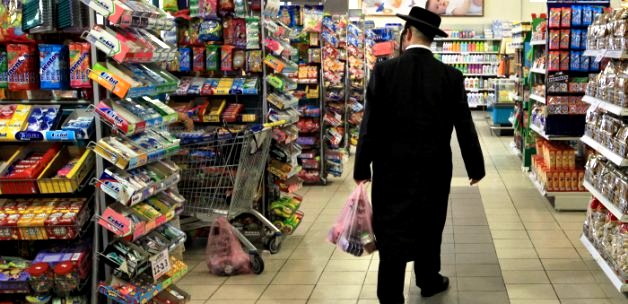
You’ve made your shopping list, cleared your schedule and set out to your local supermarket. You maneuver your way around the narrow aisles with a heavy shopping cart. You’ve been pushed around a bit (and done a bit of pushing yourself) and now finally you reach the the check-out.  It all sounds perfectly simple and predictable but there are some things you need to know beforehand.

Supermarket trolley-carts

You have two trolley-cart options; a large metal trolley-cart that can hold a month’s supply of goods or a small, plastic, portable cart that can hold fewer items. 

Usually, you are required to insert a 5 shekel coin to release the large trolley-cart.  Make sure you have a 5 shekel coin on hand. If you don’t it becomes a real hassle getting one. Some supermarkets make use of a digital system; at the trolley shed you enter your teudat zehut number and the cart is then released.  When you return the cart, you enter your teudat zehut number again, a lock is released and you can return the cart to its original place.

Product Labeling

Most, but not all items have English labeling these days.  If the product is manufactured in Israel, the English labeling is likely to be very basic.  Bad label translations, from Hebrew to English, are quite funny and make for delightful shopping moments.

Grocery bags

We now have to pay for grocery bags and if you are not willing to do so, you must bring your own.  Most supermarkets sell tote bags for your grocery items which usually costs 3-5 NIS each.  When choosing a tote, make sure the shoulder straps are long enough that there is still a comfortable space under your arm so that the straps do not pull you down.  Personally, I like fabric totes and not the bulky plastic ones.  Although small, the Ikea tote is comfortable and folds up into itself – it’s cheap too.

At the check-out

Most supermarket chains have a self-checkout section or digital options where you can pay with the store app.  This is really convenient if you have a few items or are in a hurry.  If you get frustrated by the shopper ahead of you interacting with the cashier and describing the deal she got at the manicurist last week, unperturbed by the line of agitated shoppers, then the self-checkout is for you.

A typical neighborhood supermarket will have 6 or 10 cashiers and if you are lucky only 3 or 4 will be working at any given time.  Usually one checkout is an express till.  Recently I’ve noticed that if you can present a disabled certificate (issued by Bituach Leumi), you are exempt from standing in line.

Hyper stores have more cashiers.

Standing in line

What about orderly lines? Mostly we are used to 3 or 4 well mannered people standing, one behind the other, waiting their turn.  An orderly line in Israel is couple of well mannered people patiently waiting their turn while half-a-dozen others are trying to jump the queue. 

A shopper may come up to you with one or two items and with sad, tearful eyes she’ll tell you that she’s in a hurry.  She may tell you that she is late in fetching her child from school or has to get back to the office. She may not even have an excuse – she just has 2 items whereas you have 106 and she wants to go first.  The reason she cannot use the express line is not clear.

Whatever you decide, have your response ready and practiced.  If you are adamant and don’t want to lose your place or enter into a discussion, turn your head away, pretend the person does not exist and swear in a foreign language!

The express checkout counter

When we use the word ‘express’ what does that actually mean?  We expect that an 8 item express check-out means exactly that – 8 items: a bottle of milk, a loaf of bread, a packet of cheese, a bottle of fruit juice, a packet of frozen spinach, a lettuce, a chocolate and a bottle of oil.  

Years of shopping in Israel, has proven that this is not the case.  Israel has many brilliant mathematicians, but for some reason 8 does not equal 8 any more. In the Israeli supermarket 8 items equals:  two loaves of bread, a packet of cheese, a bottle of fruit juice, 4 packets of frozen spinach, a lettuce, 6 chocolates and 3 bottles of oil.  So in Israel, it appears that 8 items actually means 8 categories.

The cashiers

The cashiers are mostly very pleasant.  They have a hard job – they have to discipline the shoppers and keep the peace but mainly it is their job to up-sell and get you to buy a whole lot of unplanned, extra and unnecessary items at the check-out.  

If the cashier has befriended the clientele of a small neighborhood store, be patient, it’s good customer relations to know how the client’s children are doing at school, grandma’s wellbeing, who’s coming over on Friday night and what’s on the menu.

Packing groceries

In some countries, where labour is very cheap, there are grocery packers who relieve you of this tricky task.  In Israel there is no-one to pack your groceries or push your shopping cart to your car in exchange for a small tip – you have to do this all yourself.

Payment Options

You’ve bought more than you planned, and this trolley load is going to cost a lot more than you anticipated.

At the check-out till, you will be offered an immediate cash or credit card payment option. You also have the option to pay on installments (Heb: tashloomim). It does not make sense to eat it today and pay for it in 6 months time.  If you get into a habit of shopping this way, you’ll make impulse buys thinking that you’ll have the money sometime down the line. 

Club & Loyalty Cards

Most supermarket chains these days have club-membership loyalty cards which entitle you to a few points or a small discount. You need thousands of points to get a 20 shekel store discount.  Some of these club-cards are combined with credit cards as well and where standard credit card fees apply.

Supermarket & Store Shopping Hours

In the days of street shopping, before shopping malls sprung up, stores were open 6 days a week – Sunday thru Friday.  Most stores were closed between 2pm and 4pm – siesta time – and reopened at 4pm – 7pm. Stores were closed on Tuesday afternoons and also closed on Fridays at around 2pm.

These days, Tuesdays are just regular shopping days and the afternoon siesta mostly doesn’t exist.  Most shopping malls are open between 9am and 10am and are open up till 10 or 11pm at night.  Banks and post-offices have their own hours.  Friday is a busy shopping day, so be prepared for long queues and agitated shoppers.

Home Delivery Services

A large percentage of the Israeli population do not have motor cars or convenient transport, so for around 30 shekels, supermarkets will deliver your groceries right to your front door.  This is a great service.  Tipping the delivery person is optional but recommended – 5 shekels for a small delivery or 10 for a large one is my common practice.

Online supermarket shopping, offered by the large supermarket chains,  is very convenient as well.  Once you’ve placed your order you can choose one of two options – 1) in store pickup or 2) home delivery.

Product Labeling

Most, but not all items have English labeling these days.  If the product is manufactured in Israel, the English labeling is likely to be very basic – it is getting better though.  Bad label translations, from Hebrew to English, are quite funny and make for delightful shopping moments.

Leading supermarket brands

  • Telma and Osem for dried foods.  Some of the Knorr products, we know from back home, are kosher and available here.
  • Tnuva, Yotvata, Strauss and Tara for cheese, milk and dairy products.
  • Zoglovek, Tirat Zvi and Yehiam for processed meats
  • Maadanot, Shloshet HaOfim and also Zoglovek for frozen, ready to bake, sweet and savory, pastry items
  • Elite for chocolates and sweets.
  • Sano and Nikol for paper products and cleaning materials.

Of course there are many other local brands offering top quality food and household items.

Imported brands

You’ll find Heinz, Hellman’s, Nestle, Lipton’s, Barilla, Skippy, Oreos, Tim-Tams and a large selection of other imported items.

Hard to find items

Just some; Marmite, fish paste, Colemans mustard in a jar, Hershey’s and golden syrup.  There are a host of websites where you can order specialized items.  Shopping online has become the solution to our comfort-food cravings from back home.

Local House Brands

The leading supermarket chains have their own house-brands which are mostly a little cheaper.  Try them out.  Not all of them are fabulous but you might be able to save a bundle if you are prepared to compromise.

Typical Israeli/Middle-eastern supermarket items

Favorite Israeli foods include falafel, hummus, tahina, boerekas, malt beer (non alcoholic), Crembo chocolate (similar to a “Beehive” – whipped marshmallow on a biscuit base, covered in chocolate), herbs and spices like cumin, sumac, zaatar and hawaij.  Flavored fruit syrup concentrates for beverages (petel or- blackberry is best loved by Israeli children), Silan – date syrup (can be used instead of honey or golden syrup), Bisli – a local crunchy snack tolerated before the invention of Lays and Doritos.  Shkadei Marak – soup almonds, eaten in soup or by the handful.  Watch out for tartrazine or E102 . Let’s not forget Beigela –  they have nothing to do with a bread beigel from the old-country. Actually beigela are salty pretzels in a wide variety of shapes and sizes.  By far the most popular snack, and now also on supermarket shelves in many countries abroad, has to be Bamba.  Bamba is a puffed wheat snack flavored with peanut butter. Israeli children learn to eat it in infant-hood almost as soon as they can grip anything. Your doctor might encourage you to give your ailing child some Bamba – he’ll eat that if nothing else. No birthday party is complete without Bamba and adults love it too.  There are a few competing peanut butter flavored snacks but for the connoisseur, Bamba reigns supreme.

Israeli dairy products are known to be among the best in the world. ‘ Leben’ and ‘Gil’ (a cross between buttermilk or paneer, yogurt and soured creamed cheese). Dani and Milky compete for first place, they are a chocolate flavored treats in the refrigerator section of the supermarket, next to the yogurts.  Quite delicious!

Everyone loves labaneh – a smooth white cheese, traditionally from goat’s milk and often served with rich green olive oil and zaatar

From the Eastern-European Kitchen

  • Don’t ask for kitke, lokshen, kichel, chopped herring, teigelach, pletzelach, imberlach (or any other -lach, you can think of)
  • Kitke is Challah
  • Lokshen is “Itriot” (noodles)
  • Kichel and chopped herring (make your own)
  • Teigelach (available in specialty stores in Raanana and very expensive)
  • Pletzelach and imberlach (sweets our bobbas made for Pesach) – make your own or remember them with great fondness.
  • Cholent is also known as Hamin (from the Sephardic kitchen)
  • Chreime (fish cooked in a spicy tomato sauce) is to the Sephardim what gefilte fish is to the Ashkenazim 
  • Ghrain (horeseradish) – ask for Hazeret

You’re sure like these…


Hebrew-English: Apartment Contents

Reading Time: < 1 minute

Learn new Hebrew words and phrases with English and transliterations

Contents of your Apartment –  חפצים בדירה

English Transliteration Hebrew
Air-conditioner Maz’gan מזגן
Apartment Dira דירה
Arm chair Koorsa כורסה
Balcony Mir’pe’set מרפסת
Basin / Sink Ki’yor כיור
Bath Am’bat’ya אמבטיה
Bathroom He’der Am’bat’ya חדר אמבטיה
Bed Mi’ta מיטה
Bedroom He’der Shay’na חדר שינה
Book-shelf Ma’daf Se’fa’rim מדף ספרים
Cabinet Aronit אורנית
Carpet Sha’ti’ach שטיח
Chair Ki’sey כיסא
Clothes cupboard Aron Bega’dim ארון בגדים
Clothes dryer Me’ya’vesh Kvi’sa מייבש כביסה
Couch / sofa Sa’pa ספה
Counter top Dal’pak דלפק
Curtain Vi’lon וילון
Desk Shool’chan A’vo’da שולחן עבודה
Dining area Pi’nat O’chel פינת אוכל
Dish-washing machine Ma’di’ach Ke’lim מדיח כלים
Dressing table Twa’let (Toilette) טואלט
Entrance Kni’sa כניסה
Fan Me’av’rer מאוורר
Freezer Mak’pi מקפיא
Fridge (refrigerator) Me’ka’rer מקרר
Heater Ta’nur תנור חימום
Kitchen Mit’bach מטבח
Laundry room Mir’pe’set She’rut / Heder Kvisa מרפסת שירות\חדר כביסה
Living room / lounge Sa’lon / He’der Or’chim סלון\חדר אורחים
Master bedroom He’der ho’rim חדר הורים
Microwave Mikro’gal מיקרוגל
Mirror Ma’ra מראה
Oven Ta’nur תנור
Shelving unit with glass doors  Vi’tri’na ויטרינה
Shower (noun) Mik’la’chon מקלחון
Stove Ki’ra’yim כיריים
Table Shool’chan שולחן
Television Te’leviz’ya טלוויזיה
Toilet (noun) Asla אסלה
Toilet seat Moshav Asla מושב אסלה
Toilets (public) She’ru’tim שירותים
Toaster oven Tos’ter oven טוסטר אובן
Washing line Hevel Kvisa חבל כביסה
Washing machine Me’cho’nit Kvi’sa מכונת כביסה
Window Ha’lon חלון
Window shutters / blinds Tri’sim תריסים

Your friends found these useful…

Hebrew-English: Your Pay Slip

Reading Time: < 1 minute

Learn new Hebrew words and phrases with English and transliterations

Understanding Your Pay Slip – תלוש משכורת

English Transliteration Hebrew
Accumulate Lehitztaber להתצטבר
Basic Salary Schar Yesod שכר יסוד
Bonus Bonus בונוס
Calculation Hishuv חישוב
Company Hevra חברה
Days absent (leave, sick leave, army) He’adruyot העדרות
Days Worked Yemay Avoda ימי עבודה
Deductions Niku’im ניקויים
Employee Oved עובד
Employer Ma’avid מעביד
Experience
Nisayon נסיון
Tenure
Vetek ותק
Extras Tosafot תוספות
Gross salary Maskoret Bruto משכורת ברוטו
Health Tax Mas Briyut מס בריאות
Hours Worked Sha’ot Avoda שעות עבודה
Income Hachnasa הכנסה
Income Tax Mas Hachnasa מס הכנסה
Insurance Bituach ביטוח
Manager’s Insurance Bituach Minhalim ביטוח מנהלים
National Insurance / U.I.F. Bituach Leumi ביטוח לאומי
Net Salary Maskoret Netto משכורת נטו
Overtime Shaot Nosafot שעות נוספות
Payment Tashlum תשלום
Pension Pensiya פנסיה
Pension Fund Keren Pensiya קרן פנסיה
Profession Miktzoa מקצוע
Retirement Annuity Kupat Gemel קופת גמל
Salary Maskoret משכורת
Savings Fund Keren Hishtalmut קרן התשלמות
Salary/Pay Slip Tlush Maskoret תלוש משכורת
Severance Pay Pitzuim פיצויים
Tax Mas מס
Travel Allowance Nisiyot נסיעות
Vacation Hufsha חופשה
Vacation days Yemei Hofesh ימי חופש

You may find these useful too…

Newsletter Subscription

0
Reading Time: < 1 minute

Get all our latest news, offers and special announcements directly to your inbox.

/ ( mm / dd )
 

Population of the State of Israel

Reading Time: 2 minutes

The total estimated population of the State of Israel. Latest figures – Yom HaAtzmaut 2020.

Hebrew: נתונים דמוגרפיים על האוכלוסייה בישראל

israel population figures

All figures have been supplied by the Central Bureau of Statistics (CBS) Tradingeconomics.com

The Latest Population Figures as of April 26, 2020

According to a Central Bureau of Statistics press release today , 3 days before Yom HaAtzmaut, Israel’s population is estimated at 9,190,000 reflecting a growth of 1.9% since last year.

  • 6,806,000 individuals are Jews (74% of the total population), 1,930,000 – Arabs (21%) and the rest are categorized as ‘Others’ – 454,000 individuals
  • Approximately 28 percent of Israel’s population is under the age of 14 years
  • Births: 180,000
  • Deaths: 44,000
  • Approximately 32,000 new immigrants arrived in Israel in the last year.

Population forecast for 2030 – 11.1 million 

Population forecast for 2040 –  13.2 million


Life expectancy at 2020

These figures do not include the impact of the Covid-19 Coronavirus which may affect the Israel statistics

General life expectancy is 82.7 years

  • Males: 80.7 years
  • Females: 84.6 years

Total new immigrants to Israel in the last 5 years

  • 29,600 in 2018
  • 28,400 in 2017
  • 25,011 in 2016
  • 36,000 in 2015
  • 27,993 in 2014

Approximately 45% of the total world Jewish population now lives in the State of Israel.

Latest population figures for Israel’s largest cities & towns

City/Town Population   City/Town Population
Jerusalem 919,438   Ramat Gan 159,159
Tel Aviv 451,523   Rehovot 141,579
Haifa 283,640   Ashkelon 140,968
Rishon LeZion 251,719   Bat Yam 128,774
Petah Tikva 244,275   Beit Shemesh 118,676
Ashdod 224,628   Kfar Saba 100,763
Netanya 217,244   Herzliya 95,142
Beersheba 209,002   Hadera 95,683
Bnei Brak 198,863   Modi’in-Maccabim-Re’ut 92,406
Holon 194,273   Nazareth 77,064


Hebrew-English: Hanukkah

Reading Time: < 1 minute

Learn new Hebrew words and phrases with English and transliterations

Hanukkah – חנוכה

hebrew official language

English Transliteration Hebrew
Candle Ner  נר
Doughnut Sufganiya  סופגניה
Festival Hag  חג
Hanukkah Menorah Hanukkiah  חנוכייה
Macabbees HaMakabim  המכבים
Miracle Nes  נס
Oil Shemen  שמן
Olive Oil Shemen zayit  שמן זית
Potato Latke Le’viva  לביבה
Spinning top (Dreidel) Sivivon  סביבון

Hanukkah Customs

In the Diaspora, the Hebrew letters nun, gimel, hay, and shin are inscribed on the four sides of the spinning top (Dreidel – Yiddish). They are the first letters of the words “Nes gadol hayah sham” which means “A great miracle happened there.  In Israel however, dreidels are inscribed nun, gimel, hay, pay for “Nes gadol hayah poh” meaning “A great miracle happened here.”

The dreidel game….

Your friends enjoyed these…

RETIRING IN ISRAEL – IMPORTANT INFORMATION FOR SENIORS

Reading Time: 2 minutes

Retiring in Israel. An index and guide for seniors.

retiring in israel


Retiring in Israel – in-depth overview, options and useful information


Aliyah over 50

10 things to know about Aliyah if you are 50+ – by Adv. Jay Hait


An Autumn Aliyah

She made Aliyah from Houston at the age of 65.  Zelda shares her thoughts.


Aliyah Information

Aliyah from A – Z: budgets, documents, learning Hebrew, shipping, tips & suggestions


Are you financially prepared for retiring in Israel

Results of a recent study show that Israel ranks…


Arnona – Municipal Rates & Taxes

Arnona discounts for seniors


Covid-19 in Israel’s Retirement Homes

Lynette Karp, a resident of Beth Protea in Herzliah shares her story and explains what life in one of Israel’s retirement homes has been like during Covid-19


Day Centers

SHILO day centers for seniors, activities & services


Israel Government Pension

The basic Israel old-age pension, rates & conditions


Medical & Healthcare

Medical and health services, health-funds and general healthcare information


Preparing for retirement in Israel

Results of a recent study and comparison of various metrics, including average yearly income, personal pensions, pre-retirement earnings, average percentage of disposable income put, savings, and return of retirement savings plans


Retirement Homes

A database of retirement homes, retirement villages, assisted living, frail and specialized care centers in Israel


Retirement Tips

15 tips for retiring is Israel


Road Safety Tips

Anashim Be’Adom – an organization that promotes road safety among Israel’s senior citizens offers some road safety suggestions


Secure Living

Beth Protea is an award winning retirement complex, in Herzlia, catering to the needs of English speakers


Senior Citizen Card

If you have reached the official age of pension, you are entitled to an senior citizen card. Detailed instructions to move your application forward.


Support Services

A list of some of the Israel organizations and social services offering advice and assistance to the elderly

Hebrew-English: Household Appliances

Reading Time: < 1 minute

Learn new Hebrew words and phrases with English and transliterations

Household Electrical Appliances –  מכשירי חשמל

English Transliteration Hebrew
Air conditioner Mazgan  מזגן
Clothes dryer Meyavesh Kvisa מייבש כביסה
Coffee maker Mehonat Kafe  מכונת קפה
Computer Mach’shev  מחשב
Computer screen Masach Mach’shev  מסך מחשב
Dishwasher Madiach Keilim  מדיח כלים
Electric razor/shaver Mechonat Gilu’ach מכונת גילוח
Fan Me’avrer  מאוורר
Food processor Me’abed Mazon (common: magimix)  מעבד מזון
Freezer Makpi  מקפיא
Fridge Mekarer  מקרר
Hair dryer Meyavesh Se’ar מייבש  שער
Heater Tanur  תנור
Iron Maghetz מגהץ
Kettle Kum Kum  קומקום
Liquidizer  Blender  בלנדר
Microwave Mikrogal  מיקרוגל
Mixmaster  Me’arbel  מערבל
Oven Tanur  תנור
Sandwich toaster Toaster  טוסטר
Stove (cooktop) Kirayim  כיריים
Television Televiziya  טלוויזיה
Toaster Matznem  מצנם
Toaster Oven  Toster Oven
 טוסטר אובן
Vacuum cleaner Sho’ev Avak שואב אבק
Washing Machine Mehonat Kvisa מכונת כביסה

Hebrew-English: Suspicious Events

Reading Time: < 1 minute

Learn new Hebrew words and phrases with English and transliterations

Emergency Situations, Suspicious Objects & Terrorist Events


English Transliteration Hebrew
Common Emotions
Anxiety Harada חרדה
Danger Sakanah סכנה
Depression Dikaon דכאון
Fear Pachad פחד
Shock Helem הלם
Stress Lachatz לחץ
Wounded Patzua פצוע

Vehicles

Bus Otobus אוטובוס
Bulldozer Dachfor / Buldozer דחפור / בולדוזר
Emergency vehicle Rechev Hirum רחב חירום
Tractor  Traktor טרקטור
Train Rakevet רכבת
Vehicle (also car)
Rehev רכב

Who to call in an emergency?

Police Mishtara  משטרה
Fire department Kibuy Eish כיבוי אש
Ambulance Ambulans אמבולנס

 Causes for Suspicion

Suspicious Hashud חשוד
Suspicious mail Doar Hashud דואר חשוד
Suspicious object Hefetz Hashud חפץ חשוד
Suspicious person Ish Hashud איש חשוד
Suspicious situation Matzav Hashud המצב חשוד
Suspicious vehicle Rehev Hashud רכב חשוד

Events

Arson Hatzata הצתה
Emergency situation Matzav hirum
מצב חירום
Explosion Pitzutz פיצוץ
Home invasion Pritzah le bayit פריצה לבית
Kidnapping Hatifah חתיפה
Murder Retzach רצח
Rape O’nes אונס
Stabbing Dekira דקירה
Terrorist attack Pigua פיגוע
Wave of terror Gal teror גל טרור

Criminals

Thief/Burglar Ganav / Poretz גנב / פורץ
Kidnapper Hotef חוטף
Murderer Rotzeach רוצח
Rapist Anas אנס
Suicide bomber Mehabel Mitabed  מחבל מתאבד
Terrorist Mehabel  מחבל

Common Weapons

Bomb Mitan מטען
Explosive material
Homer Nefetz חומר נפץ
Gun Roveh / Ekdach
רובה / אקדח
Hand-grenade Rimon רימון
Knife Sakin סכין
Poison Ra’al רעל
Rock Sela סלע
Rope Hevel  חבל
Screwdriver Mavreg מברג
Stick Makel מקל
Stones Evanim אבנים

You may find these helpful too…