

.
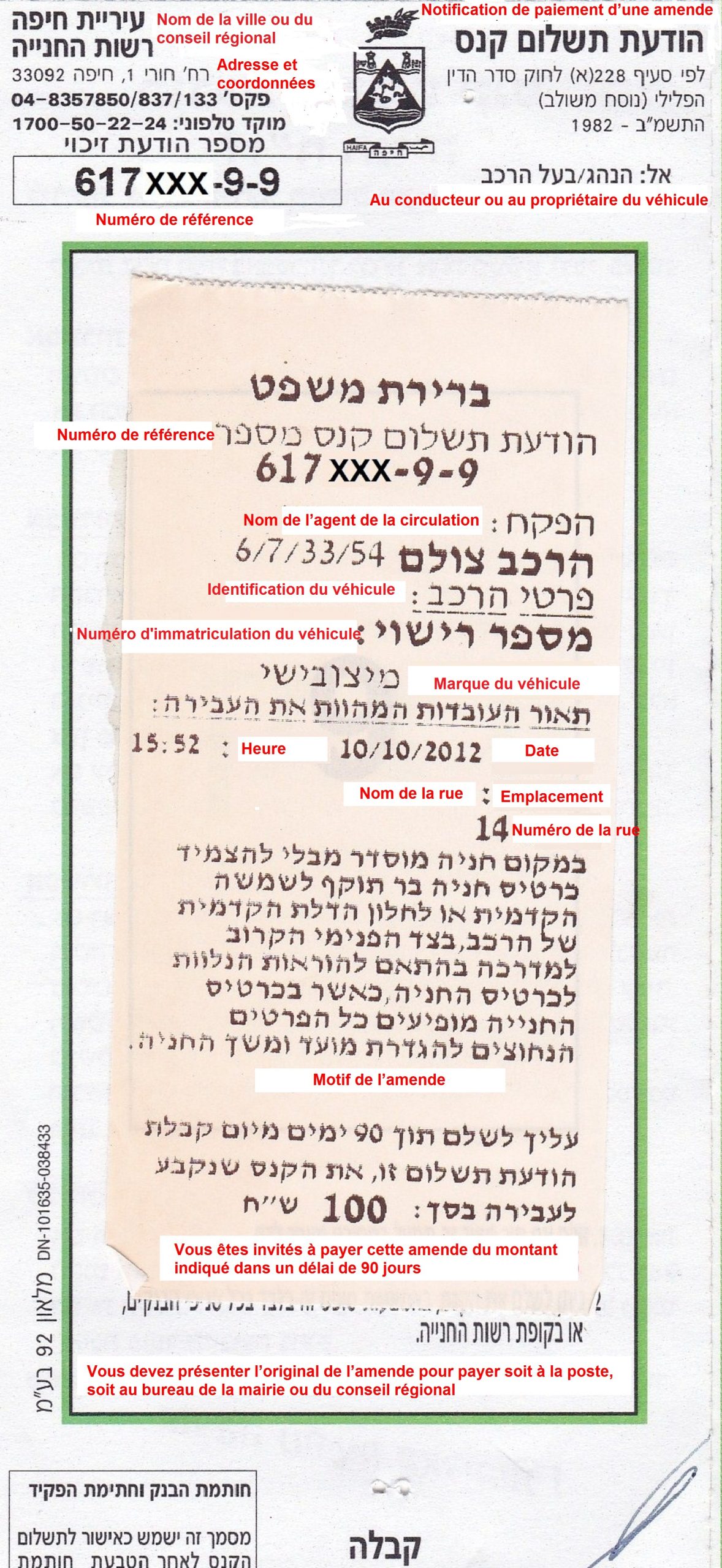
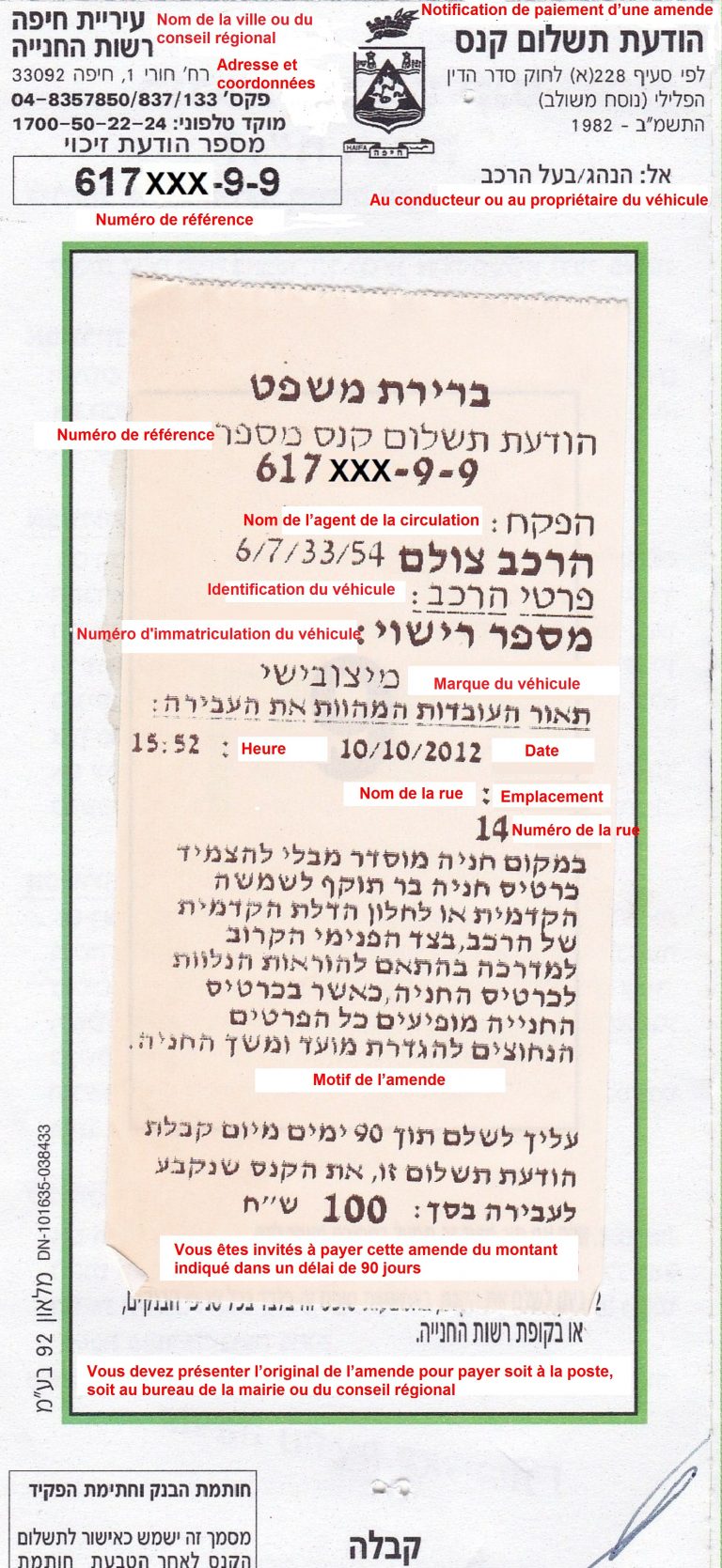
Contravention: Ticket de parking.
Cette information fut rendue possible grâce au don généreux d’un bienfaiteur anonyme.
.
Cette information fut rendue possible grâce au don généreux d’un bienfaiteur anonyme.
Si vous faites « Aliyah », alors il vous faut Anglo-list. L’objectif du site est de combler les fossés entre les différences socio-culturelles, de contribuer à une meilleure connaissance de la population locale, de la langue, des coutumes et de la culture. Anglo-list est un guide pratique ; quoi faire, comment et où. Bien que développé, au départ, pour la communauté anglophone, Anglo-list se penche maintenant sur les besoins de la communauté immigrée de langue française. Afin de vous assister dans votre « Aliyah » et dans votre intégration, nos articles les plus consultés sont en passe d’être traduits en français. Très appréciés sur notre site sont les traductions de factures ménagères et documents bancaires que nous avons maintenant mis en ligne en français. Allez sur notre site internet et jetez un œil sur les informations que nous offrons, rejoignez-nous sur Facebook, cliquez sur « j’aime » et partagez notre page avec vos amis.
Nous vous souhaitons tout le meilleur dans votre « Aliyah » ainsi que la bienvenue dans votre nouveau chez vous.
Haaretz Newspaper – December 13th, 2013
By: Steve Klein
Anglo-List, a website dedicated to providing practical information for English speakers in Israel, has announced its inaugural Customer Service Award “for professionals who value commitment, service and dedication to the Anglo community.” Suzanne Suckerman, the website’s founder, told Haaretz Wednesday the award grew out of a recent poll that determined that “dealing with unreliable service providers was our biggest aliyah frustration,” surprisingly more so than employment and language issues. Based on the site’s ratings and reviews in its business directory, Suckerman said the award went to Chaistream, a video streaming company owned and managed by Shai Bracha, a Sabra born to an American mother. Suckerman, originally from Johannesburg, said the five-year-old site has 25,000 visitors per month and 3,500 Facebook members. She said the site plans to grant the award every few months.

Cette information fut rendue possible grâce au don généreux d’un bienfaiteur anonyme.Cette information fut rendue possible grâce au don généreux d’un bienfaiteur anonyme.
Pour s’intégrer avec succès à la société Israélienne, vous devez étudier l’hébreu. Connaître les mots d’argot, les expressions familières et les idiomes est important pour réussir à rentrer dans la culture Israélienne. Voici quelques expressions familières et mots d’argot qui vous aideront à comprendre les « locaux ».
Akhla – אחלה
Un mot Arabe signifiant « super/sympa »
Exemple : Une robe sympa ou un film super. En Israël, il y a même la marque Achla pour le hummus.
Al hapanim – על הפנים
Traduction littérale : « sur le visage »
Sens exact : terrible
Exemple : Cette grippe me guette – je me sens « al hapanim »
Avarnu et Pharaoh, na’avor gam et zeh – עברנו את פרעו נעבור גם את זה
Traduction : on a vaincu Pharaon et on viendra à bout de ça aussi ou « on en a vu d’autres »
Sens exact : on a surmonté bien d’autres épreuves, on surmontera ça aussi
Exemple : Cela fait plus de cinq heures que nous n’avons toujours pas réglé ce problème.
Pas d’inquiétude, avarnu et pharaoh, na’avor gam et zeh
Balagan : באלגן
Sens : bazar, catastrophe, situation inextricable ( « bordel » )
Exemple : Il y a un tel balagan dans la cuisine, je ferai mieux de ranger.
Où vous pourriez dire : en ce moment il y a un tel balagan ds le gouvernement, chaque jour il se passe quelque chose !
Be’shu’shu : בשושו
Sens : Faire quelque chose en secret ou « en douce » sans en parler à qui que ce soit.
Exemple : Il ne nous a pas dit qu’il avait une nouvelle voiture. Il fait toujours tout be’shu’shu !
Beten gav : בטן גב
Traduction littérale : ventre, dos
Sens : Temps de relaxation, quand on se couche sur le dos puis sur le ventre, faire « pile et face »
Exemple : j’ai travaillé dur aujourd’hui, j’ai besoin de beten gav !
Boker tov Eliyahu : בוקר טוב אליהו
Traduction littérale : Bonjour Eliyahu
Sens : ce serait sympa de te manifester
Exemple : Boker tov Eliyahu ! Où étais tu passé ? On avait dit 10h et il est midi !
Elef Akhuz : אלף אחוז
Traduction littérale : 1000% : mille pour cent
Sens : être absolument certain de quelque chose
Exemple : Est tu sûr de cela ? Oui, elef ahuz !
Dans un autre pays, on dirait : à 100%, mais ici en Israël tout est dix fois plus gros ou plus important que n’importe où ailleurs !!!
Eikhsa fikhsa or eikhs : איכסה פיכסה
Sens littéral : « dégueulasse » « berk »
Exemple : Eichsa, cette bouffe n’est vraiment pas bonne !
Eizeh seret : איזה סרט
Traduction littérale : quel film !!!
Sens figuré : Une suite d’évènements peu ordinaires dans la vie et en général contrariants
Exemple : Tu ne peux pas savoir par quoi on est passé ! Ezeh seret !!
Mais aussi au sens propre, si vous avez vu un bon film, vous direz : Le Titanic, ezeh seret !
Face : ( prononcer faice ) פייס
En hébreu, face se relie à Facebook
Exemple : J’ai posté des photos de moi au centre commercial sur Face !
Fadikha : פדיחה
Un mot Arabe qui signifie une situation embarassante, la pagaille ou faire une gaffe
Exemple : Eizeh fadichah ! Je me suis endormi au travail aujourd’hui !
Gihatzta èt hacartis ashray : גיהצת את הכרטיס אשרי
Traduction littérale : Tu as repassé ta carte de crédit !
Sens : « Tu as fait chauffer ta carte » Tu as dépensé beaucoup en peu de temps
Exemple : Tu as fait beaucoup de shopping aujourd’hui – Gihatzta et ha cartis ashray !
Gilita èt America : גילית את אמריקה
Traduction littérale : T’as decouvert l’Amérique !
Sens : Wouah, tu m’en diras tant !
Exemple : Tu ne vas pas le croire mais ils font maintenant des chips saveur oignons !
Vraiment ? Gilita et America !!
Ha’dod me’America : הדוד מאמריקה
Traduction littérale : Cet oncle vient d’Amérique
Sens : L’oncle riche, memebre de la famille ou ami qui vient des USA et qui gâte ses « pauvres » parents avec ses cadeaux
« Tonton Cristobal » !
Exemple : J’aurais voulu avoir un dod me’America qui aurait pu m’offrir ce nouvel androïd !
Haval al hazman : חבל על הזמן
Traduction littérale : Dommage pour le temps !
Sens positif : C’est formidable !
Sens négatif : Quelle perte de temps !
Exemple : C’est un très bon film, haval al hazman !
Ou : C’est un navet, haval al hazman !
Les adolescents l’utilisent aussi :
L’acronyme des trois premières lettres de chaque mot en forme abrégée donne :
« Hav’Laz »
Exemple : Elle a acheté une tenue incroyable ! Hav’Laz !!
Janana : ג’ננה
Un mot Arabe signifiant aggravant, ennuyeux ou irritant
Exemple : Ata ma’vi li et haJanana = Tu m’enmerdes !!
Jiffa : גיפה
Traduction littérale : désordre révoltant ou déplaisant
Sens : Crasse, saleté
Exemple : Je dois laver le sol et me débarasser de cette Jiffa !
Kama kama ? כמה כמה
Traduction littérale : Combien, combien ?
Sens : Quel est le score ?
Exemple : Dans un match de basket entre Macabi et Hapoël, tu demandes à un pote :
Kama, kama ?
Kef retsakh : כף רצח
Traduction littérale : Kef = Kif, plaisir et Retzach veut dire meurtre .
Sens : Le plus grand plaisir jamais vécu, prendre son pied
Exemple : Sa soirée de Barmitzvah a été kef retzach !
Ke’ilu da : כאילו דה
Sens : argot des adolescents pour dire « évident »
Exemple : Une maman à son fils : As-tu fait tes devoirs ? Il répond : Kehilu da !
Koo Koo : קוקו
Un Kou-Kou c’est une queue de cheval ( coiffure ) ou l’élastique utilisé pour la faire
Par exemple : Maman, on a gym aujourd’hui, fais moi une queue de cheval !
Ma ha matzav : מה המצב
Traduction littérale : Quelle est la situation ?
Sens : quelles ont les nouvelles ?
Exemple : Hey mec, ma hamatzav ?
Magniv : מגניב
Signifie : cool, chouette
Exemple : Alors tu viens faire la fête chez moi , Magniv !!
Ma ani, ez ? מה אני, עז
Traduction littérale : Quoi, je suis une chèvre ?
Sens : Et moi je ne comppte pas ?
Exemple : Après avoir noté que tous les enfants ont eu des bonbons sauf lui, Danny dit à sa mère : Ma, ani ez ?
Nafal li ha’asimon : נפל לי האסימון
Traduction littérale : mon jeton est tombé
Un asimon était le jeton utilisé en Israël pour les téléphones à pièces jusque dans les années 1990, célèbre par le trou au milieu du jeton.
Sens : cela m’a enfin frappé, touché
Exemple : J’ai enfin compris. Nafal li ha’asimon !
Of mekhubas : עוף מכובס
Traduction littérale : un poulet cuit
Sens : On l’utilise pour décrire une situation récurrente.
Exemple : On en a déjà parlé et reparlé, c’est comme un of mechubas.
Ou, si on va encore chez tes parents pour les vacances, on devra manger le « of mekhubas » de ta mère, mais si on va chez mes parents ….
O-to-to : אותותו
Un dicton qui signifie : dans un petit moment ou très bientôt
Exemple : J’ai un rendez-vous O-to-to, je dois y aller !
Pa’am slishit, glida ! פעם שלישית, גלידה
Traduction littérale : la Troisième fois, une glace
Sens : 3 fois chanceux ou « jamais deux sans trois » dans le sens positif !
Exemple : Je t’ai croisé deux fois déjà aujourd’hui, pa’am shlishit, glida !
Pony : פוני
Rien à voir avec un poney..
Cela signifie une frange (dans les cheveux)
Exemple : Chez le coiffeur : Est-ce que je vous fais un pony cette fois ?
Pro’tek’zia : פרוטקציה
Sens : utiliser son réseau en Iraël pour en tirer avantage
Exemple : Yossi a eu le boulot parce que son père connait le directeur, il a protekzia.
Cela se réfère aussi à la vitamine P.
Sababa : סבבה
Sens : super, très bien
Exemple : Comment ça va pour toi ? Sababa !
Shtrudel : שטרודל
On connait tous le délicieux strudel, le gâteau Ashké avec pommes et noix.
En Israël, cela signifie : @ de l’adresse mail.
Exemple : L’adresse de ce site web est : anglolist shtrudel gmail dot com…
Shtu’yot be mits avganiyot : שתויות במיץ אגבניות
Traduction littérale : Stupidités dans un jus de tomates
Sens : Ce sont des bêtises , des conneries
Exemple : Je ne suis pas d’accord avec toi, tu dis des « shtuyot be mits avganiyot »
Smokh aly : סמוך עלי
Traduction : Crois moi !
Signifie : expression arrogante pour une mise au point : « la vérité » !!!
Exemple : Un propriétaire à son locataire : Ce sera réparé la semaine prochaine, smoch aly !!
Sof haderekh : סוף הדרך
Traduction littérale : la fin de la route
Sens : formidable, génial
Exemple : On est sorti dîner dans ce nouveau restaurant, le repas était sof haderekh, le meilleur que j’ai jamais goûté !!
Sof ha’olam smola : סוף העולם שמאלה
Traduction littérale : au bout du monde, à gauche
Sens : Au milieu de nulle-part
Exemple : Ils habitent tellement loin de tout, c’est sof haolam smola !
Sponja : ספונג’ה
Traduction littérale : éponge, éponger
Sens : Laver les sols à la façon Israélienne. Un sponga est une sorte de balai avec un large éponge au bout et une fixation en caoutchouc appelée : « goumi » sur laquelle vous jetez un chiffon pour laver le sol…
Exemple : Je ne peux pas te retrouver vendredi matin, je dois « sponja » les sols !
Ta’im retzakh : טעים רצח
Traduction littérale : Taïm signifie savoureux et retzakh : meurtre
Sens : Très bon, tellement qu’on en mourrait !!
Exemple : Les foies hachés de Maman sont Taïm retzakh !
Tfu,Tfu,Tfu : תפו תפו תפו
Une expression superstitieuse utilisé partout au monde.
Exemple : Quel enfant magnifique : tfu tfu tfu !!!
Total loss : טוטל לוס
Expression tirée de l’Anglais : une voiture abîmée sans possibilité de réparation après accident
Exemple : Ils ont eu un accident et « ha oto zeh total loss !
Walla : וולה
Mot qui veut dire beaucoup de choses..En fonction de la prononciation, cela pourrait être : Vraiment ! Hmm, je vais voir , ok !
Par exemple : Le nouveau Harry Potter vient de sortir. Les fans de Harry Potter répondraient : Walla !!!
Zeh zeh : זה זה
Traduction littérale : C’est cela ou c’est celui là , celle là !
Sens : Je l’aime et il m’aime, zeh zeh !
Exemple : J’ai finalement trouvé une robe parfaite pour le mariage de ma sœur , zeh zeh !!!
Reading Time: 4 minutes
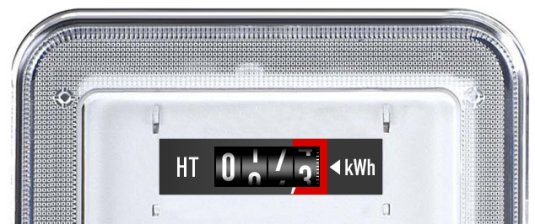
What’s the best temperature to set my air-conditioner and what are the best ways to save electricity in the winter months?
Electricity in Israel is not cheap and when you are trying to budget and save money, every agora counts. Keeping your electrical appliances in good working order will go a long way to ensuring you get the best out of them. Follow these tips for saving electricity in the winter and you will see a real difference to your monthly electricity bill.
1. Choose a heating appliance according to your needs, the frequency of use and the amount of space you need to heat. Radiators are better in small spaces.
2. If you are purchasing a new heating appliance, check the electricity output and choose one that is energy efficient and uses as little electricity as possible. An EU energy label should be displayed on large appliances
3. Remember that an air-conditioner is still the most effective heating appliance.
4. If you leave the room, switch off the heater.
5. Close your windows and doors to prevent the heat from escaping. However, if you are using a heater that is powered by gas or other flammable material, make sure that your room is well ventilated so that poisonous and toxic fumes will be eliminated
6. Set the temperature control to between 22 – 24° Centigrade. For every one degree above that you increase the electricity consumption by a whopping 15%.
7. Save on lighting. In winter we use much more electricity for lighting our homes and offices. Change the light bulbs to fluorescent and energy saving globes. You can save 80 per-cent on your lighting bill with these types of globes. In addition, the average life of fluorescent and energy saving globes is between 6 and 15 times longer than a regular globe.
8. Do not dry your laundry over a heater or any other heating source. Use your clothes dryer or hang you laundry outside.
9. Install a timer onto your boiler/geyser and use it in the winter months. Two hours is sufficient to heat a boiler of 140 liters (sufficient for a family of four). The Israeli climate lends itself to solar water heating. A solar water heating system will provide all your bot water bathing needs for at least 7 months of the year.
10. The more water you boil in your kettle, the longer it takes and the more electricity it consumes. No need to boil a full kettle if you only need a small amount of hot water.
11. Make sure that any electrical repairs, either to an appliance or to the household electrical wiring system, are carried out by a qualified electrician only.
12. Do not used damaged appliances or plugs.
13. Make sure that there is earthing in your household electrical wiring. Lots of old residential dwellings do not have this. Get a professional to install an earth if you do not have one.
14. Do you know where your electrical board is and which meter belongs to you? Make sure you do.
15. In an electrical emergency contact the Israel Electric Company (Hevrat HaHashmal) by dialing 103 or contact the police at telephone number 100.
16. Buy a large sheet of heavy duty plastic from your local hardware store to cover your laundry when there is a threat of rain or a light shower. The wind will blow your laundry dry. A plastic shower curtain which comes in different lengths and widths, is a handy, low-cost alternative to hang over your washing line.
17. While it’s tempting to purchase items from your local dollar shop, please be careful when purchasing plugs, extension cords and other electrical accessories. Check for some bureau of standards approval – in Israel, the Tav Teken or the European ABS, TUV,UL, CSA. Chinese manufactured goods are stamped with a CCC mark.
 An EU Directive established an energy consumption labeling scheme. Most white goods (large electrical goods used domestically such as refrigerators and washing machines, typically white in color), light bulb packaging and cars must have an EU Energy Label clearly displayed when offered for sale or rent. The energy efficiency of the appliance is rated in terms of a set of energy efficiency classes from A to G on the label, A being the most energy efficient, G the least efficient as shown in the scale here.
MATI HAIFA is a non-profit organization, established in 1991 to assist and promote the development of small and medium businesses (SMEs) in Haifa and vicinity. MATI Haifa, headed by prominent leaders of the Haifa business community, is committed to creating jobs through encouraging growth and development of SMEs. MATI’s team of business professionals is dedicated to providing the best possible services to the Haifa area community of entrepreneurs and small businesses.
MATI Haifa provides assistance to entrepreneurs to set-up a new successful businesses, as well as help existing businesses expand and grow. MATI serves as a “one-stop-biz-shop” that offers various services, including:
– Business management seminars and workshops;
– On-going business coaching and mentoring
– Assistance in securing loans with below-market interest rate
MATI Haifa operates a unique Center for Jeweler Advancement, where experts provide assistance in product development, business development and national and international marketing. The Women in Business Forum assists business women develop their business and provides a platform for networking and business opportunities. Other centers include one for business over the internet and the Boston Haifa Life Sciences Initiative.
Mati Haifa is committed to social responsibility, and promotes various social welfare programs to enable low socio-economic sectors with special needs to better integrate into the society through economic development.
Following is a list of benefits for new immigrants and returning residents who are business owners, self employed or about to set up a business:
For more information on MATI Haifa. click here:
Or contact:
Email: info@mati.co.il
Tel. 972-4-8531439, Fax. 972-4-8532877
35 HaMeginim St., P.O.B 33451, Haifa 31333 Israel
There are branches of MATI that operate across the country. Contact the Haifa branch for details of the MATI office nearest you.
Related articles:
Reading Time: 2 minutes
With the most votes, highest score and great reviews we are thrilled to announce the February 2015 recipient of the Anglo-List Customer Service Award – Sara Jacobovici.
In 2013 the Anglo-list determined that dealing with unreliable service providers was our biggest Aliyah and relocation frustration. We knew we could help somehow. Our Israel-Anglo Business Directory incorporates a community of professionals who are working together to redefine good service in Israel – this deserves recognition. The result was the Anglo-list Customer Service Award. You vote and then twice a year the business with the most votes and highest ratings receive this award.
Sara Jacobovici has been in Israel for 5 and a half years. She is a Creative Arts Therapist, and specializes in using the arts; visual arts, music and movement, as a means through which people can express and communicate their thoughts and feelings. Sara received a Bachelor of Music degree from McGill University, Montreal, Canada in 1985 and a Master’s in Creative Arts Therapies from Hahnemann Medical University, Philadelphia, USA.
She was in her early 50’s when she arrived in Israel coming by way of Toronto, Canada. Her current situation gives her the flexibility and independence to be her own boss so she took up the challenge and started her own business. “I don’t have any formal business background, but I did take a business coach. This was a good fit for me and I have learned a lot from him. I also have an Anglo accountant because my Hebrew is not yet at the level I need”.
“It took me about 2 years to set my business up. Social media is an important part of my marketing and I am constantly learning about it and using it and all the tools available to me to get the word out about my business. I want to be out there, so I run workshops, lectures and events. I am also involved in N4ES networking group”.
“My clientele are mostly English speakers; individuals, couples or families, who are experiencing life changing events, losses or dealing with the effects of trauma and want to try a different way of experiencing the therapeutic process. Often what needs to be expressed most is beyond words. Our first language is the language of creativity. I know how to help individuals reconnect with that first language and begin to see things in a new way”.
“I am responsible to meet the needs of each client to the best of my ability. It is my responsibility to clearly communicate with my client and be available to answer questions at every step along the way. As I am process-oriented, that means that I am engaged with my client from the first contact through the different stages of the work including closure and follow-up”.
We asked Sara what advice she would give an oleh about opening a business in Israel: “Don’t try it alone or work in isolation. Find out what services exist to assist you. Go out there and connect with others in your field, join groups, build contacts. Be open. It will be a different experience.”
“I feel very blessed. I love my work and I am passionate about my field. I love my community. I am grateful to be a part of it all”.
Well done Sara – Keep up the good work!

Reading Time: < 1 minute
The Association of the Deaf in Israel, a mutual-help association of the Deaf and for the Deaf, was established in 1944 for the purpose of advancing the welfare of Deaf individuals and the Deaf community, and promoting the rights and the culture of the Deaf in Israel. The aim of the Association and its members is to make optimal use of the varied abilities of the Deaf, and to work towards consciousness-raising in the hearing world. The ADI provides direct services to the deaf population of Israel, which includes approximately 10,000 individuals whose primary mode of communication is Sign Language, and an additional 100,000 who are hard of hearing. In addition to the central offices and clubhouse in Tel Aviv, the ADI operates several branches (in Jerusalem, Haifa, Netanya, Kalansawa, Petah Tikva, Ashkelon, and Kiryat Gat).
Requests for information and appointments for consultation can be made through the ADI central office: Telephone: 03-7303355, Fax: 03-7396419, e-mail: deaf-israel@barak.net.il . More information is available in Hebrew on our web site: www.deaf–israel.org
Reading Time: < 1 minute
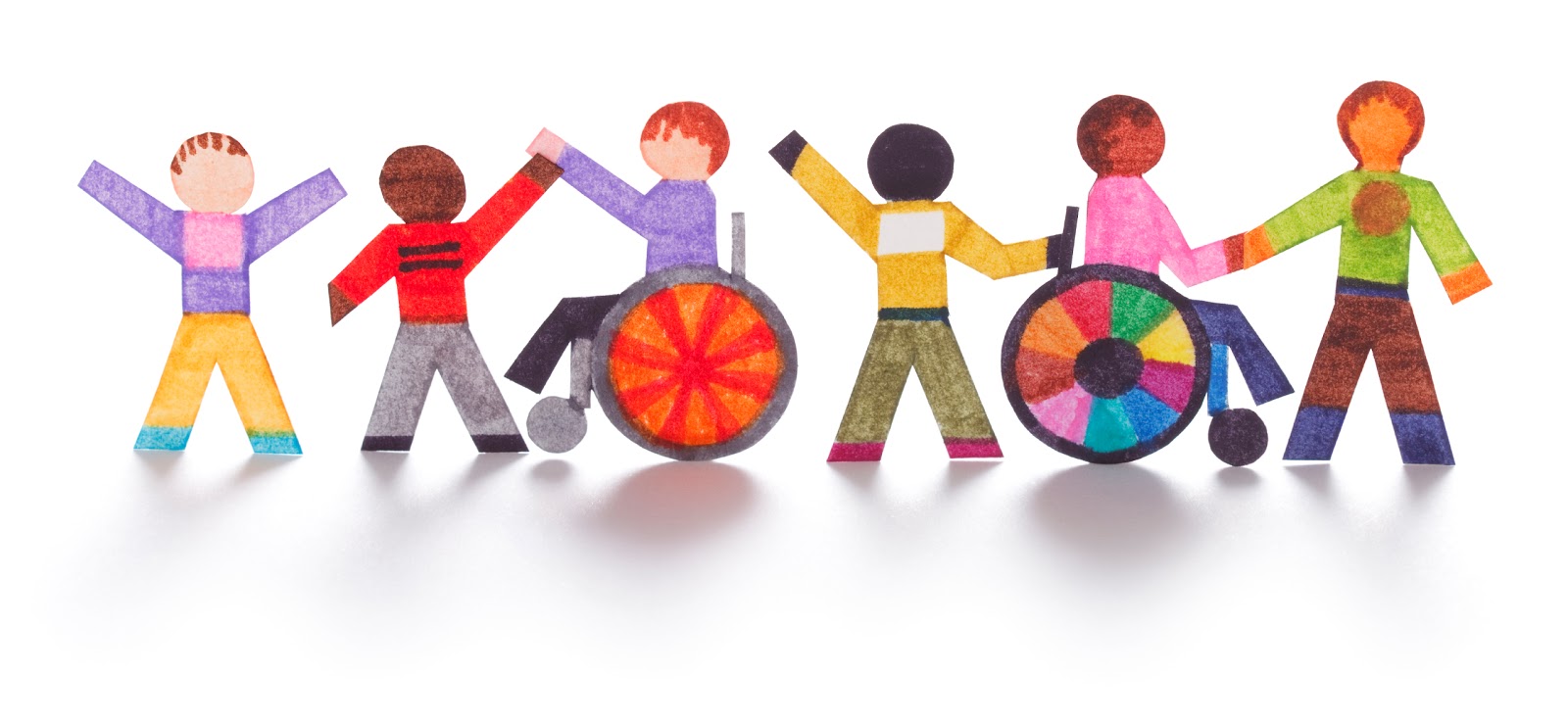
The Therapeutic Riding Center of Israel (1986) is a non-profit organization dedicated to improving the lives of disabled individuals through a unique therapeutic and recreational method: Animal Assisted Therapies (AAT). Today, over 800 people participate in our therapeutic programs. Along with therapeutic riding lessons, outdoor riding trails and a dog-assisted therapy program, the center offers in cooperation with the Israeli Sports Academy, Wingate, professional courses and training in AAT. The staff includes therapeutic riding instructors, physical therapists, psychologists, a social worker, dog trainers, occupational therapists, medical advisors and over 300 dedicated volunteers. TRCI has a wide range of participants from various socio-economic backgrounds, religions and ages, and with a wide range of disabilities including: physically and emotionally challenged, children with cerebral palsy, children/youth at risk, battered women, trauma patients due to a car accident or terror attacks and IDF war veterans.
The Therapeutic Riding Center of Israel
Phone: 09-7965880,
Fax: 09-7962414
Email: trci@zahav.net.il

Reading Time: < 1 minute
ALUT’s mission is to ensure the well-being, rehabilitation, economic status, and future of people with autism in Israel. Thousands of individuals in Israel have been diagnosed with autism and 400 infants are diagnosed annually. Before the establishment of ALUT, the only option available to autistic children and adults was placement in psychiatric hospitals.
ALUT Family CentersThis service provides an answer for families raising children with Autism in Israel and today includes 6 branches throughout the country. At the family center you will be able to receive information about various subjects, such as: Background information about the disability, treatment methods, names of professionals, information about legal rights etc. You can also receive guidance and legal assistance in achieving your rights. In addition, the family centers operate support groups intended for parents, siblings and grandparents. Also various lectures are held at the centers.
You may contact the family centers at phone number: +972-3-6703077 between 9:00 and 15:00 local time.