17.1 C
Jerusalem
Saturday, June 13, 2026
Sample Page
Home Blog Page 116

Expat Schooling

0
Reading Time: < 1 minute

International Schools in Israel


expat schooling


Most expats, and even some olim, (immigrants) prefer to send their children to a school that offers education in English and to one which is outside the general Israeli private and municipal school system which follow the Hebrew curriculum.  There are many cases of immigrant children who for one reason or another do not reach their full potential in the regular Israel, Hebrew speaking, eduction system.

Here is a list of international schools that you can research and consider to be in the best interest of your child.

Anglican International School Jerusalem

A co-educational school for boys and girls between the ages of 3 – 18

Curriculum: American and International Baccalaureate

The Walworth Barbour American International School in Israel

A co-educational school for boys and girls between the ages of 3 – 18

Curriculum: American

The Jerusalem American International School

A co-educational school for boys and girls between the ages of 3 – 18

Curriculum: American

The Treehouse International School

A co-educational school for boys and girls between the ages of 3 – 18
Curriculum: British and American
 

Universities & Colleges

The Eastern Mediterranean International School

The Raphael Recanati International School

Rotherberg International School at The Hebrew University in Jerusalem

Levinsky International School in Tel Aviv

The Technion International School in Haifa

The University of Haifa International School


Learning & Educational Resources


{module [395]}


Housing Survey Results

Reading Time: 3 minutes

The Israel Housing Crisis

In 2013 and  2014 the Israel housing market slowed down.  Prospective buyers where waiting for the much talked about Zero VAT tax bill to come into effect in 2014.  The bill was finally rejected and now buyers cannot wait any longer.  The latest wave of anti-Semitic attacks especially in Europe, has encouraged Aliyah 2015 especially from France. Consequently the demand for suitable housing and prices will increase.

We conducted a survey to establish the current real-estate needs and  trends among Israel’s English speaking oleh community.

Here are the results:

housing survey - q1

housing survey q2

housing survey q3

israel housing market

israel housing

living in israel housing

housing property israel

housing survey q8

housing survey israel property market

housing survey q11

Conclusions

From this housing survey we are able to conclude that within the Anglo community 2015 was a busy year, and:-

  • 40 per-cent of the Anglo community  have spent or will spend between 1million and 2 million shekels on their property purchase.  But, at the same time, 30 per-cent of the community have less than 1 million shekels to spend and there is a clear need for dwellings that fits this price tag.
  • The Sharon region is out.  Property prices are just too high.  Haifa and the north are gaining popularity with almost 30 percent of the Anglo community choosing to buy and live  there.  Ashkelon and Tiberias are also gaining popularity
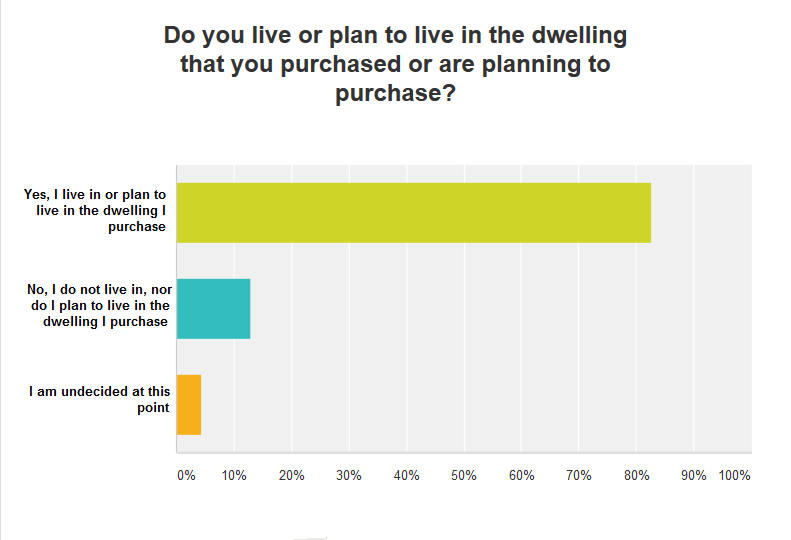
  • 85 percent of the community will be living in the dwelling that they purchase so buying an income property is on the back burner at this time.
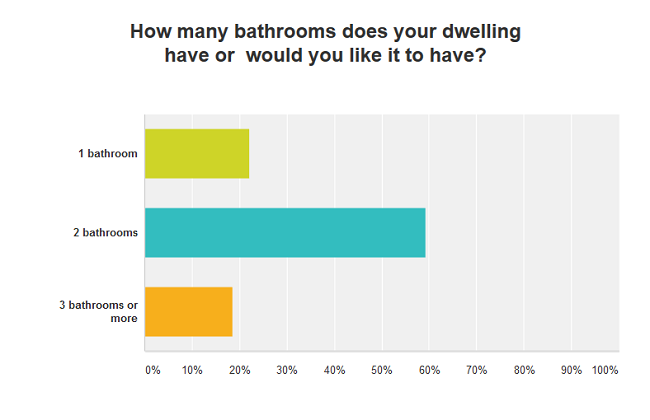
  • Mostly we want a 2 or 4 bedroom dwelling with 2 bathrooms.
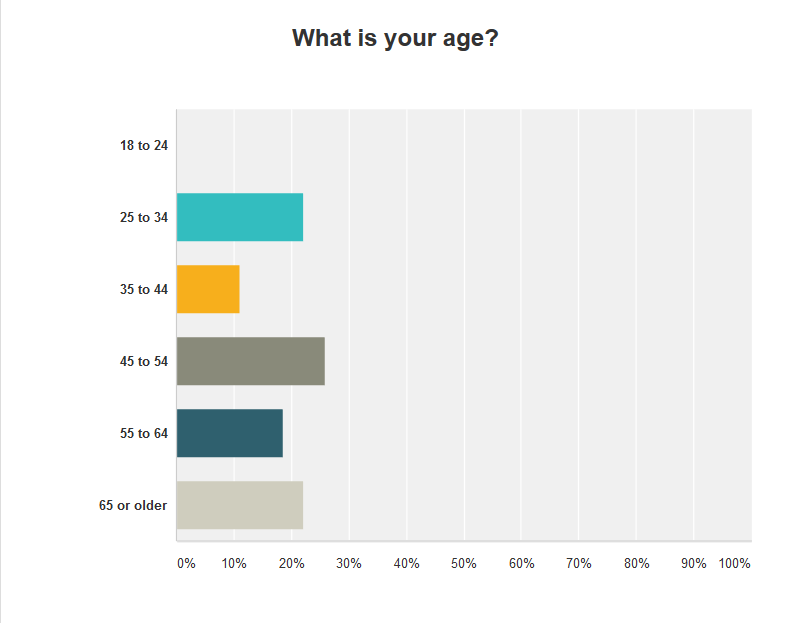
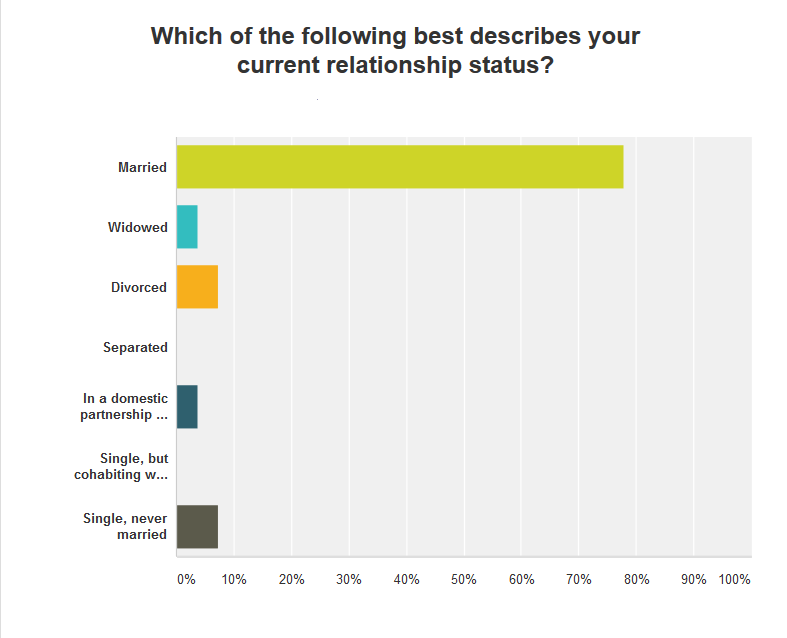
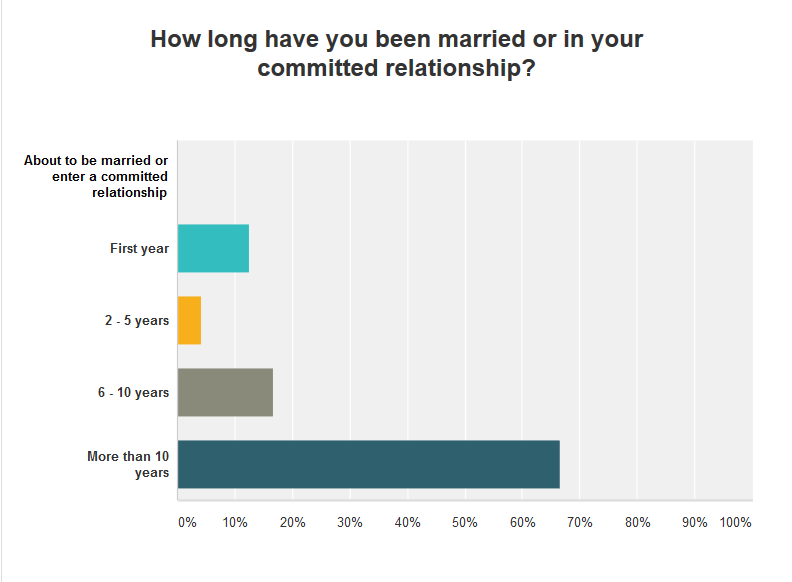
  • First time home-owners (in the 25 – 34 age group) and retirees in the 65+ age bracket make up 45 percent of the market but the majority of purchases are coming from the  45 – 54 year old age bracket who are married for 10 years or more.
  • Lastly, 60 percent of us have a mortgage and more than 25 percent of us also get extra assistance from our parents to purchase a home in Israel.

So can I get a 2 – 4 bedroom dwelling with 2 bathrooms for less than 1,000,000 shekels anywhere in Israel? The answer is YES. Take a look at the properties we found

25 conseils pour signer un contrat de location – Singing a Rental Contract

Reading Time: 4 minutes

Se loger et louer en Israël

Hebreu:דיור ומגורים – החוזה

Cette information fut rendue possible grâce au don généreux d’un bienfaiteur anonyme.Cette information fut rendue possible grâce au don généreux d’un bienfaiteur anonyme.

housing - Copy

Le bail de location de base en Israël

Il n’existe pas de contrat locatif type en Israël, mais il est possible de se procurer différentes versions d’un contrat basique dans certaines papeteries. Il se peut que votre propriétaire vous présente un contrat établi par lui-même chez son avocat. Notez que, très probablement, ce contrat sera rédigé en hébreu. Un avocat de l’immobilier vous facturera la moitié d’un mois de loyer pour traduire et passer en revue un contrat de location. Si vous le pouvez, demandez à un parent ou un ami qui parle l’hébreu couramment de passer le contrat en revue avec vous mais gardez à l’esprit le risque de manquer certains points ou nuances.

Ressources et informations complémentaires

Votre contrat

Typiquement, un bail de location peut inclure certains ou tous les éléments suivants. Assurez-vous d’avoir éclairci tous ces points avant de signer votre bail :

  1. Une copie de la carte d’identité (teudat zehut) et les coordonnées du propriétaire.
  2. Les israéliens qui vivent dans une autre ville ou à l’étranger appointent souvent un ami ou un parent pour gérer les choses à leur place. Assurez-vous d’avoir les coordonnées de toutes les personnes concernées.
  3. Assurez-vous que la personne qui loue la propriété en a bien le droit – il s’agit de ne pas se faire arnaquer !
  4. La description du logement – le salon compte comme une pièce en Israël. Un appartement de 4 pièces signifie 3 chambres et un salon. Vous pouvez vous voir offrir un appartement de 3 ½ pièces. Cela veut dire qu’une des chambres est sans doute très petite et ne peut contenir qu’un lit et une petite armoire/placard. Souvent, le propriétaire garde une des chambres fermée pour y ranger ses affaires personnelles. Assurez-vous que cela est pris en compte dans le contrat de location et sur le loyer. Jardins, celliers, emplacements de parking doivent aussi être stipulés.
  5. La loi de protection des locataires – il était courant autrefois de louer un logement pour un « pas-de-porte » ce qui explique cette clause. Cette pratique n’existe quasiment plus aujourd’hui.
  6. L’usage de la location : résidentiel, bureau etc. Si vous avez l’intention d’utiliser la propriété pour y exercer votre activité professionnelle, vérifiez les possibilités de déductions fiscales avec votre comptable.
  7. Vérifiez bien qui peut vivre dans l’appartement avec vous – colocataires, visiteurs, animaux de compagnie etc.
  8. La durée du bail, la période de préavis et le règlement (écrit ou verbal).
  9. Les options de reconduction du bail et s’il est possible de l’écourter.
  10. Le loyer – combien, la méthode de paiement, la fréquence (mensuel, trimestriel etc.). Il était courant, il y a quelques années, d’afficher le loyer en US$, payable en shekels, au taux de change en vigueur le jour de la transaction. Maintenant que le shekel est une monnaie plus stable, les loyers sont, dans l’ensemble, affichés en shekels.
  11. L’état de la location, qui est responsable des réparations et celles qui vous incombent.
  12. Le contenu et l’état des éléments en place, électro-ménager, luminaires et autres installations qui figurent dans l’appartement – faites un inventaire.
  13. Vérifiez la plomberie, le gaz et l’électricité – tirez les chasses d’eau, ouvrez tous les robinets, vérifiez qu’il y a de l’eau chaude, allumez toutes les lumières, vérifiez que les chaudières au gaz sont en bon état de marche et que les appareils électriques qui figurent dans le contrat fonctionnent aussi.
  14. Relevez les compteurs –eau et électricité – prenez des photos des relevés.
  15. Y a-t ‘il une assurance pour le logement, son contenu et la responsabilité civile ?
  16. Changements cosmétiques – repeindre les murs, la pose de tableaux ou d’étagères etc. Êtes-vous autorisé à effectuer ces changements ?
  17. Vad habayit (le syndic) – la seule responsabilité du locataire est le paiement du loyer. Vous n’êtes pas responsable des réparations importantes ni de la maintenance de l’immeuble, par exemple si ce dernier est repeint ou si le jardin subit un aménagement paysager. Assurez-vous de remettre l’argent directement au syndic et non au propriétaire. Demandez un reçu.
  18. Pénalités – mettez-vous d’accord sur le montant. Que ce soit parce que le propriétaire ne cède pas le logement à temps ou que le locataire ne le libère pas à temps, ce montant doit être le même pour les deux parties.
  19. Garanties – celle-ci peut être une caution en espèces, une garantie bancaire ou deux garants. Les garants doivent avoir un emploi et un revenu – c’est une pratique assez dépassée.
  20. Quand votre caution vous sera-t-elle retournée et sous quelles conditions. Ceci est un aspect très important de l’accord de location. Les propriétaires trouvent souvent toutes sortes de raisons pour ne pas rendre une partie ou toute la garantie ou caution.
  21. Les visites par le propriétaire ou l’agence de location – par arrangement préalable et à des horaires corrects.
  22. Si la propriété est vendue au cours du contrat de location vous devez avoir l’option de pouvoir y rester jusqu’à l’expiration du bail. Cependant, si vous souhaitez libérer le logement, au cours de cette période, vous devez pouvoir le faire également.

Autres conseils pratiques

  1. Ne payez JAMAIS, JAMAIS, JAMAIS en espèces. Payez toujours votre loyer avec un chèque ou par transfert bancaire de façon à avoir une preuve de votre paiement.
  2. Exigez un reçu.
  3. Prenez des photos de l’appartement, des meubles etc. avant d’emménager, en cas de désaccord à votre départ..

Israel Housing Costs – What can I buy for 1 million shekels?

0
Reading Time: 4 minutes

The cost of housing in Israel.

By:  Gad Levy-Golan & Laurie Silverman

house for sale

While the real estate market waits in anticipation of new housing programs to be implemented after the 2015 elections, two major factors halted the real estate industry in Israel during 2014.

Firstly said Gad Levy-Golan the CEO of Gad Nadlan, Minister Yair Lapid,  Minister of Finance had us mesmerized with his plan for “Ma’am Efes” or Zero V.A.T.  Young families and newlyweds were going to benefit by not having to pay V.A.T on their first home.  The country waited in anticipation for the bill to come through, but it was rejected and many young couples had their bubble burst.  As a result, the Real Estate market in Israel saw an immediate growth in the demand for smaller, more affordable apartments across the country.

The second factor, Levy-Golan says, were the anti-Semitic attacks in Europe. “The property market in Israel was awakened by French immigrants (Heb: olim).  Our offices were inundated with  French olim who moved here in the last year or two and were waiting for the right moment to buy.  The French olim responded immediately as did young Israeli couples who were certain that a new wave of French Aliyah would affect property prices and they rushed into deals before a price rise occurred and all attractive 3-4 bedroom apartments would disappear from the market.”

December 2014 was one of the most intensive and lucrative months in in the real-estate market in Israel with young couples and first time home-owners taking the lead.  Purchases of apartments broke a 10 year record.  About 11,000 homes were purchased in December, an increase of 17% compared to November, and an increase of 37% compared to October 2014. January 2015, on the other hand, saw a drop in the value of the Euro which means that the buying power for Olim, who have their funds in Euros, has dropped by about 10%

What can I buy?

In Jerusalem there is a large demand for 4 roomed apartments in the 1.4 -1.6 million shekel range. Neighborhoods like Gilo and Har Choma, although far from the center of Jerusalem, fit this bill.  (Note: a 4 roomed apartment in Israel refers to a 3 bedroom apartment + living room).

In Raanana the demand is for 3 or 4 roomed apartments with a price tag of  1.6 to 1.9 million shekels. These prices can only buy older apartments in the center of Raanana, close to Ahuza and mostly in buildings which have undergone the TAMA 38 procedure –  structure strengthening against earthquakes.

Brand new apartments in Raanana’s Neve Zemer neighborhood are being built.  These will sell for 1.9 to 2.4 million shekels but  will only be ready in 2016/2017.

Laurie Silverman of Cohen’s Real Estate says “Tiberias is  a carefully guarded secret and it is mentioned in the same breath with Tel Aviv for real estate investment opportunities and property purchases due to the more reasonable purchase prices and variety of options available.  In addition to the amazing scenery, the Anglo community is growing.  Tiberias has warm, friendly people and an incredible sense of community throughout the city”.

What will  1,000,000 shekels get you in Tiberias?  For personal living, family growth and high quality of life there are spacious new and resale apartments – some with fabulous views; penthouses and maybe a 2-family house (Heb: Du Misphachti). In this price range there are fixer-upper properties in good areas – everything included.  These types of  dwellings are good for investment purposes, but keep your expectations reasonable. With 1,000,000 shekels you can buy several modest long-term rental apartments; or a spacious apartment can be divided for a nice return on your capital.

“The City of Tiberias is nearly  2,000 years old.  It is an exciting time to live and work here and watch its growth. The ‘old’ is not being destroyed to make room for the ‘new’, it is being renovated, updated and energized.   Property prices in the Tiberias region are commonly dictated by a lake or valley view.”

Laurie continued: “My very best advice, for any property purchase,  is to take each property exactly for what it is – see passed cosmetic imperfections, evaluate what you can and can’t afford ~ but know with complete confidence that everything is indeed possible!

In conclusion Gad Levy-Golan, says:  “The latest trends show that the public has lost confidence in government promises, programs and reforms.  The 2015, pre-election promises include dropping prices of land for hundreds of thousands of housing units in high demand areas and in the periphery but, most likely, this  will also dissolve in the next government budget, and prices in the cities between Hadera to Gedera will just continue to rise.

Properties with a 1,000,000 shekel price tag

As a guideline for new buyers, we found a selection of properties online, offered by highly regarded realtors, which closely fit our 1,000,000 shekel price tag.  Please note however, that these are not necessarily the average prices for properties in these areas.

Location 2.5 Rooms 3 Rooms 3.5 Rooms 4 Rooms 5 Rooms
Afula 750,000
Arnona 900,000
Ashdod 1,050,000
Be’er Sheva 760,000
Gilo 880,000
Haifa 790,000
Holon 930,000
Kiryat Bialik 730,000
Kiryat Motzkin 520,000
Kiryat Yam 650,000
Nesher 1,000,000
Netanya 850,000
Pardes Hana 960,000
Pisgat Zeev 963,000
Rehovot 885,000
Tiberias 725,000

Hebrew English: Nuts

0
Reading Time: 2 minutes

Hebrew names of the different nut varieties available in Israel with English and transliterations.

Hebrew:  סוגים שונים של בוטנים ואגוזים

Israelis love to munch on “pitzuchim” – a collective term referring to snack foods.  Pitzuchim include varieties of nuts and seeds – things that you can usually crack open between your teeth.  On the Jewish festival of Tu B’Shevat it is traditional to eat dried fruit and nuts.  Tu B’Shevat is an acronym for the 15th day of the month of Shevat in the Hebrew calendar.

Assorted nuts: Cashews, almonds, pecans, walnuts…

Here is a Hebrew-English list of nut varieties that you’ll find easily in your local shuk (produce market) or supermarket in Israel.

Variety Transliteration Hebrew Extra Information & Nutritional Value
Almonds Shkeidim  שקדים Almonds are an incredible source of minerals such as manganese, potassium, calcium, iron, magnesium, zinc, and selenium.
Brazil nut Egoz Brazilayi  אגוז ברזילאי Popular ingredient in the preparation of gluten-free food.  Excellent source of selenium.
Cashew nut Kashew  קשיו Rich in essential fatty acids & help to lower harmful LDL-cholesterol while increasing good HDL cholesterol.
Hazel nut Egoz Ilsar/Egozei Luz אגוז אלסר / אגוזי לוז Hazel nut oil is used in cooking and as a base oil for massage therapy and aromatherapy.
Macadamia nut Egoz Makademia אגוז מקדמיה Since macadamia is free from gluten, it is one of the popular ingredients in the preparation of gluten-free food formulas.  Difficult to crack though.
Peanuts Botnim בוטנים Peanuts contain more protein than any other nut.
Pecan nuts Egoz Pekan אגוז פקאן Pecans are rich sources of several B-complex groups of vitamins such as riboflavin, niacin, thiamin, pantothenic acid, vitamin B-6, and folates.
Pecans (caramelized) Pekan Sini פקאן סיני Number one ingredient in your pecan pie!
Pine nuts Egoz Tznobar אגוז צנובר Pines nuts are an excellent source of vitamin E and contain about 9.33 mg per 100 g (about 62% of RDA)
Pistachio nut Fistuk פסתק Pistachios are rich in mono-unsaturated fatty acids like oleic acid and are an excellent source of antioxidants.
Walnut Egoz Melech אֱגוֹז מֶלֶך Walnuts are known to have cancer fighting properties.

Israel Postal Services & New Tariffs

Reading Time: 2 minutes

Israel postage & tariffs

israel postage stamps 1948
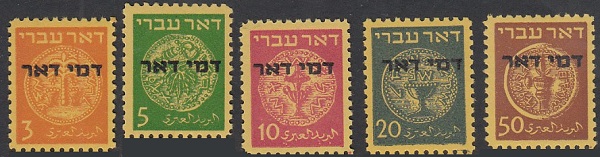
The first Israel postage stamps issued in 1948

Did you know that according to the Communications Ministry  the average Israeli household spends just 2 shekels per month for local postage? There are 700 post offices branches around the country.


Did you know that once a year all mail addressed to “God” is collected and placed between the stones in the Western Wall in Jerusalem.


As of 2019, the current postal rates in Israel are as follows:

Israel Domestic Mail

Weight Quantity Price (NIS)
Up to 50 grams Any Quantity 2.50
50 – 200 grams Any Quantity 4.10
200 – 350 grams Any Quantity 9.60
350 – 500 grams Any Quantity 10.00
500 grams – 1 kg Any Quantity 13.90
1 – 2 kg Any Quantity 15.40

Domestic Mail – Registered letter without delivery confirmation

Up to 50 grams Any Quantity 11.80

Domestic Mail – Registered letter with delivery confirmation

Up to 50 grams Any Quantity 13.40
50 – 200 grams Any Quantity 13.40
200 – 500 grams Any Quantity 14.90
500 grams – 1 kg Any Quantity 17.70
1 – 2 kg Any Quantity 17.70
Note these tariffs do not reflect the prices for 24 hour or express postage

Domestic Mail – Parcels – Branch to Branch

Weight Qty Price (NIS)
Up to 2 kg 1 – 10 18.90
11 – 100 17.40
101 – 1,000 15.40
1,001 – 10,000 13.90
2 – 5 kg 1 – 10 22.20
11 – 100 21.30
101 – 1,000 18.00
1,001 – 10,000 15.50
Over 10,000 12.00
5 – 10 kg 1 – 10 28.30
11 – 100 22.50
101 – 1,000 17.80
1,001 – 10,000 15.40
10 – 20 kg 1 – 10 28.20
11 – 100 22.30
101 – 1,000 17.80

Domestic Mail – Parcel – Military Postal Rates

Weight Qty Price (NIS)
Up to 20 kg 1 – 10,000 11.80

Please consult the Israel Post website for a full list of tariffs for letters, postcards, parcels and leaflets, inside city tariffs, intercity tariffs, branch to branch tariffs, international mail and bulk mailing rates.

Israel Post Tracking

If you’ve been shopping online and expecting a delivery, you can track your parcel en-route to Israel or sent from Israel via the Israel Post website.  This feature is provided with English instructions.

Post Offices Boxes

Post office boxes can be rented for an annual fee of just under 200 shekels.  There is a cheaper rate for 2 and 3 year subscriptions. You may have to put your name on a waiting list until a post box becomes available.

Sending a Telegram

Did you know that in 2019 you can  still send a telegram in Israel?  You can do this via Israel Post website.

Learn Hebrew

How do you say – “I want to buy stamps” – in Hebrew?, Click here to find out

Post office transactions and bill payment

Changing Careers in Israel

0
Reading Time: 5 minutes

Will I have to make a career change in Israel?

Hebrew:  שינוי קריירה

career jobs in israel

There is a fairly good chance that you will have to make a career change in Israel.

Results of our employment poll showed that 51.2 percent of Olim have made career changes since moving to Israel

Changing career after Aliyah to Israel is a huge step but it is sometimes unavoidable.  Fear on the unknown can paralyze us. We feel stupid, useless and lose confidence when we are unable to find a job in our field. We need an income to support our family and our Hebrew skills are limited.

“There are lots of things I know I can do, but is making a change the right thing to do? Should I just try to make the most of my current situation? What if I don’t like my new career?” Sound familiar?

From a poll we conducted, we discovered that 51.2 percent of Olim have made career changes since moving to Israel, and only 48.2 percent are working in their original field.

Finding a job to suit our experience and language skills can be frustrating and exhausting. 

Planning a Career Change

Careful planning of a career change is important but you need to acknowledge and accept that your decision to do so, may not work out in the end.  Bare in mind that you won’t have the all solutions when you start out.   Careers today are fast-changing and ever-evolving.  The use of AI – artificial intelligence is increasing and could possibly be influencing job opportunities.  In Israel you might find yourself swapping jobs more than you prefer.  Approach you career change with an open mind, be prepared to be flexible and adjust your expectations especially where seniority and salary are concerned.

You’ve probably invested years (and lots of hard earned cash) building you career, and suddenly, after making Aliyah, you realize that opportunities in your field are limited.  It’s frustrating, demoralizing and disheartening to have your career options curtailed by Aliyah. Work hard and be positive until you find a job that fits your needs.  As an oleh (Heb: עולה – new immigrant) your may need to spend some time trying different things until you find a perfect career fit.  Chances are you will gain valuable skills in the process and improve your Hebrew both of which will help you in the future.

By making a career change you will discover who you really are and what is actually important to you. This is true for many other aspects of your Aliyah and integration.

Job Networking in Israel

“I am new in Israel and I hardly know anyone so stop telling me to network!”.  True! It’s hard, but persevere.

Create connections! Join networking groups – there are many social and professional groups on Facebook and LinkedIn for English speakers in Israel.   Use these forums to create connections. Tell as many people as possible that you are looking for a new job.  In Israel you have to be pro-active – don’t be shy or embarrassed to share your crisis with relative strangers.  As olim or we’ve all been there and we are willing to help or give advice wherever possible.  You are not alone! It’s hard, but stay positive and focused and you never know when a door will open in your direction.

Local conferences and summits like OurCrowd (a global summit) are good places to meet new people.  Startups presenting themselves at these summits are often looking for workers.  Take copies of your resume with you and hand them out whenever you strike up a new conversation.  The website 10times.com has a very comprehensive list of seminars, conferences and summits in Israel for the coming year.

What are my employment options?

Small business owners might discover that their skill or field is difficult to break into in Israel and is not as lucrative as it was back home.  English teachers may not initially be able to secure a job in a public institution, but they may be able to join private education institutions like Berlitz, Burlingtons or Wall Street.  You might be able to use your grammar skills by writing and editing articles.  Think outside the box. Re-invent yourself. There are many online freelancing sites where you can register and find jobs. There are  numerous admin jobs you can find as a freelancer. The Ministry of Aliyah & Integration offers courses at substantially reduced rates for new olim.  Take advantage of them.  The skills you learn here will stand you in good stead. 

Learn the language

Picture this…

Congratulations! Your boss just called you in and told you that you’ve been promoted.  You’re excited. Then he drops a bomb: “Moishe, in your new job you will be required to relocate to Italy.  You are leaving in 6 months”. 

At first you are over the moon and then It slowly begins to sink in.  You need a plan.  How are you going to communicate with your co-workers and colleagues in Italy? You don’t speak Italian, you can’t read Italian and you cannot write Italian.  To put it plainly you are Italian illiterate.  You realize that knowing Italian is key to your success.  The first thing you do is enroll in a course in Italian, you study for at least 6 months and you do all your homework and put it all the effort required. 

What’s different about Israel?

Hard as this may sound, you are probably Hebrew illiterate and learning Hebrew must be your priority.  Go to Ulpan, persevere and learn Hebrew, don’t drop-out. The fact  you are a native English speaker does not guarantee you a job and these days, perfect English is not always a necessity. You need to put serious and dedicated effort into learning Hebrew. 

Prospective employers need to know before hiring you that you can communicate with your co-workers and clients effectively otherwise he is likely to hire someone else who can.    If you don’t have this skill, it may mean you might need to take a lesser job for a time, while you gain some experience and learn the language. When you have done all that, the prospective employer might think this:  Moishe is committed and dedicated to his profession.  He is a hard worker and is prepared to do whatever it takes or whatever we need him to do to fulfill the job requirements.  Let’s hire him now!

Slowly, slowly – Le’at, Le’at – everything is bound to come right.  If you find that you have lost direction, get professional help.  Anglo-list works with counselors and psychologists who are experienced in Aliyah related issues. They can help you.  Whatever you choose or job you may have to take, remember it is the first step towards a successful Aliyah.

Have you made a career change?  Would you like to share your experience with others? Send us an email – anglolist at gmail dot com and we’ll consider your story for publication.

Hebrew Acronyms and Abbreviations – Cities & Towns

0
Reading Time: 2 minutes

Hebrew acronyms and abbreviations of cities, towns & places in Israel.

Some names of cities, towns and places in Israel go back to biblical times. Jewish scripture list 72 different names for Jerusalem. The biblical story of Jonah and the whale centers around Jaffa, the ancient port city and the initial settlement of Lod, near Ben Gurion Airport, dates back to around 5,600 BCE. 

Acronyms and abbreviations for place names have crept into modern Hebrew and are commonly used. We’ve listed some of the most popular.Hebrew acronyms and abbreviationscities, towns & places in Israel

English Name Hebrew Name Abbreviation/Acronym
Afula עפולה ‘עפ
Ariel אריאל ‘אר
Ashdod אשדוד ‘אשד
Ashkelon אשקלון ‘אש
Bat Yam בת ים ב”י
Beer Sheva באר שבע ב”ש
Ben Gurion Airport (NATBAG) נמל תעופה בן גוריון נתב”ג
Bet Lechem בית לחם ב”ל
Bet Shean בית שאן ביש”א
Bet Shemesh בית שמש בי”ש
Bnei Brak בני ברק ב”ב
City of David עיר דוד ע”ד
Dead Sea ים המלך יה”מ
Dimona דימונה ‘די
Eilat אילת ‘אי
Eretz Yisrael ארץ ישראל אי”ש
Galilee (Upper) הגליל העליון גלה”ע
Galillee (Lower) הגליל התחתון גלה”ת
Gush Katif גוש קטיף ג”ק
Hadera חדרה ‘חד
Haifa חיפה ‘חי
Herzliyah הרצליה ‘הר
Hod HaSharon הוד השרון הוד”ש
Holon חולון ‘חו
Holon, Bat Yam חולון בת ים חוב”ת
Jerusalem ירושלים י-מ
Judea & Samaria יהודה ושומרון יו”ש
Judea, Samaria & Gaza יהודה, שומרון ועזה
יש”ע
Katzrin קצרין ‘קצ
Kfar Saba כפר סבא כ”ס / כפ”ס
Kiryat Gat קרית גת ק”ג
Kiryat Motzkin קרית מוצקין קמ”צ
Kiryat Ono קרית אונו ק”א
Kiryat Sefer קרית סםר ק”ס
Kiryat Shmonah קרית שמונה ק”ש
Lod & Ramleh לוד רמלה לור”ם

Massada מסעדה ‘מס
Nahariyah נהריה ‘נה
Nazareth נצרת ‘נצ
Nazareth & Migdal HaEmek נצרת ומגדל העמק נעמ”ה
Nes Tziona נס ציונה נ”ס
Netanya נתניה ‘נת
Neve Sha’anan נווי שענן נו”ש
Neve Tzedek נווי צדק נוו”צ
Pardes Chana פרדס חנה פ”ח
Petach Tikva פתח תקווה פ”ת
Raanana & Kfar Saba רעננה וכפר סבה רכ”ס
Ramat Aviv רמת אביב רמת”א
Ramat Aviv Gimmel רמת אביב גימל רמא”ג
Ramat Bet Shemesh רמת בית שמש רמב”ש
Ramat Gan רמת גן ר”ג / רמ”ג
Ramat Gan, Givatayim & Bnei Brak רמת גן, גבעתיים, בני ברק רג”ב
Ramat HaGolan רמת הגולן רה”ג / רמה”ג
Ramat HaSharon רמת השרון רמה”ש
Red Sea ים סוף י”ס
Rehovot רחובות ‘רח
Rishon Le Zion ראשון לציון ראל”צ / ראשל”צ
Rosh HaNikra ראש הנקרה רה”נ
Rosh Pina ראש פינה ר”פ
Sharon & Judea שרון ויהודה ש”י
Sharon & Shomron שרון ושומרון שו”ש
Tel Aviv תל אביב ת”א
Tel HaShomer תל השומר תה”ש
Tiberias טבריה ‘טב
Zichron Yaakov
 זכרון יעקב ז”י
And the Israeli all-time favorite,
Abroad  חוץ לארץ
 חו”ל

For a fun touch; Yael Bar Zohar is a young Israeli actress and TV personality whose name has affectionately been abbreviated to YABAZ or יב”ז  Using acronyms and abbreviations, her Facebook status could read:

YABAZ at NATBAG (Ben Gurion Airport) on her way to CHUL (abroad) -יב”ז בנתב”ג בדרך לחו”ל

YABAZ is married to Guy Zuaretz a.k.a GUZ – or in Hebrew – גי”ז.  He is also an actor and TV personality.

Liked this?  You’ll like these too…


Visiting Israel – Travel Questions & Answers

Reading Time: 5 minutes

Visiting Israel? Got a travel question? Top travel FAQ’s.

The most frequently asked questions by travelers before they visit Israel.

dead sea
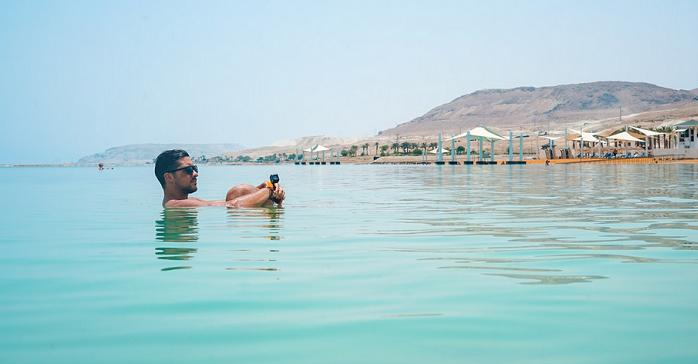
Floating in the Dead Sea where the water feels surprisingly oily (Image credit: Unsplash)

What is the capital of Israel?

Jerusalem is the capital and second largest city in Israel.  Jerusalem is about half-an-hour’s drive from Ben Gurion International Airport.

What is the official language of Israel?

Israel has two official languages: Hebrew and Arabic. English is not an official language but it is widely spoken and understood as is Russian.

Which countries neighbor Israel?

Israel (the State of Israel), a country in the Middle East, is surrounded by these Arab countries; Lebanon and Syria on its northern borders, Jordan on its eastern border and Egypt on its south western border. The Palestinian territories comprise the West Bank and Gaza Strip

What is the population of Israel?

The population of Israel as per May 2021 is more than 9.3 million

What is the weather in Israel like?

Israel has a typical Mediterranean climate with hot dry summers from mid-May to mid-September. Israel has cold and rainy winters. The southern parts of Israel lie within the Negev desert. The best time to visit Israel is during the spring and autumn months.

How safe is Israel for tourists?

Israel is safe but be cautious if you plan to visit Gaza, East-Jerusalem and some West Bank settlements.  As with any country, check with your embassy before departure and verify if any travel restrictions have been put in place.

What is the currency of Israel and where can I exchange foreign currency?

The local currency of Israel is the New Israeli Shekel (also spelled Sheqel). Tourists in Israel can exchange currency at any money-changers, post offices, banks and some ATMs. You will also be able to exchange currency at the large luxury hotels. Major credit cards are widely accepted at most retail stores, ATM’s and banks.

What is the dress code in Israel?

Modern Israelis wear western styles of clothing.  Certain religious groups have their own modest dress codes.  More about clothing for Israel here…

What is the culture of Israel?

Israel follows Jewish traditions and practices.  The Muslim, Druze, Bahai and Christian communities are completely free to practice their religion and traditions. Before your visit try to learn more about the customs, behavior and etiquette  of all of Israel’s religious groups.

Should I obtain a health insurance before traveling to Israel?

It is advisable to have health insurance before traveling to Israel.  Medical treatment and hospitals are top-notch but can be expensive for tourists.

Which vaccinations are advised before arriving in Israel?

The World Health Organization recommends that all travelers regardless of the region they are traveling in should be covered for diphtheria, tetanus, measles, mumps, rubella and polio, as well as hepatitis B.

Coronavirus – Covid 19 travel restrictions

Check the Israel Ministry of Health English website for latest travel directives.  The website is updated daily.

What is the electric current voltage in Israel?

The electric current is 220 Volts and two pin plugs are used.

What type of clothing should I carry when traveling to Israel?

Light, cool clothing for the summer and a good, warm jacket for the winter.  A warm scarf and gloves are also suggested for winter travelers.

Is alcohol consumption permitted in Israel?

Israel allows alcohol consumption in hotels, private parties, bar, clubs and restaurants. However, it is illegal to consume alcohol in a public space or drive while under the influence.  Some religious groups do not permit alcohol. Eighteen is the legal age limit for the sale of alcohol.

What are the tipping practices followed in Israel?

A tip of between 10 and 15 percent is acceptable in restaurants.  Tipping taxi drivers is not mandatory. A 10 shekel tip for food delivery is quite acceptable.

How is Israel different for tourists during Jewish religious holidays?

The majority of shops are closed on the Sabbath and Jewish holy daysPublic transport on Saturdays is limited.  During the festival of Passover you will not be able to purchase certain food items like bread.  You will be able to purchase these from some non-kosher merchants and establishments.

What about medication?

Bring enough of your regular medication to Israel to last your entire trip. You may want to bring a spare prescription for your medication, in case of emergencies.

What is the time zone of Israel?

Jerusalem time – GMT + 2 hours in the winter and GMT + 1 hour in the summer during daylight saving.

What are visa requirements for Israel?

Israel has visa exemption agreements with many countries – for visits of up to 90 daysHere is the list…

How do I set up my mobile phone connection in Israel?

There are plenty of short-term mobile phone plans that are especially suitable for tourists, research this before your arrival.  You will also be able to get a short-term plan at the airport upon your arrival.  Free WiFi is available at lots of coffee shops and restaurants, trains and some buses.  Ask!

Best apps while you are traveling in Israel

  • WAZE navigation app is a must if you have hired a car and need directions.
  • MOOVIT public transport app: trains, bus service (all bus companies), Carmelit underground, Jerusalem light rail, Metronit and many others
  • GETT taxi to hail a cab
  • WOLT for take-away food deliveries

Digital wallets are not yet common.

Are there any English newspapers published in Israel?

The Jerusalem Post, Ha’Aretz, Israel Today (a free publication) and The Marker – a business and financial paper – are the major English publications.  You will also find online versions of these papers as well as a large selection of other news websites. The local book store and news stand will have a selection of international publications in a variety of languages.

Which are the TV channels offered in Israel?

Cable TV is available in Israel via HOT and YES. Local channels are: Channel 11, Channel 12, Channel 13, and Channel 14. All major international news channels are available via the cable networks. English programs are subtitled in Hebrew.  Netflix is available.

Which radio stations are offered in Israel?

Israel offers a wide variety of radio stations; both AM & FM in mainly Hebrew and Arabic. There are several music channels.

What form of government is their in Israel?

Israel is a democratic republic. A member of parliament supported by a parliamentary majority becomes the prime minister. The prime minister is the head of government and head of the cabinet. Israel is governed by a 120-member parliament, known as the Knesset.

Are there some Hebrew words I should know before I arrive?

Best to know the word for “hello” – “shalom” – it can also be used to say good bye and it is also the word for peace.  The Hebrew word for “please” is “be’va’ka’sha” and the Hebrew word for “thank you” is “todah”.  Here are lots more (by topic and with transliterations)

In case of an emergency, who should I call?

Have a wonderful stay!

Best Tips for Traveling to Israel

0
Reading Time: 2 minutes

Be the savviest traveler.  Best tips for traveling & touring Israel.

ein advat
Ein Advat: Image credit – Callie Joseph (Unsplash)

Traveling with children

Israel is a family-oriented environment and small children are welcome and appreciated everywhere. Israel’s resort hotels have a varied selection of kids meals and plenty of activities so mom and dad can spend a relaxing day at the pool. When booking your vacation,  check if baby-sitting services are available.  Boutique hotels, spa hotels and exclusive B&B’s may have a child-friendly policy.

There are lots of activities for children in Israel which include plenty of museums, amusement parks, family trails, outdoor-extreme activities and of course supervised swimming on the beaches along Israel’s magnificent coastline.  Children under 12 usually qualify for discounts on admission fees to most museums, amusement parks, swimming pools and entertainment centers.  Children under the age of five can travel for free on Israel’s public transport.  Israel’s national airline – ELAL is kid friendly.

Women travelers

Israel is safe for women travelers, nevertheless women traveling alone, as in any country, should be cautious.

There are plenty of hostels across Israel and one nights accommodation will start at around $60 per person.  If you are a keen camper, you can expect to pay around $20 per night at a campsite run by the national parks authority.  For added comfort, security and economy you might want to stay in one of Israel’s many hotels that offer half-board rates.  Check reviews before making any reservation.

Many women in Israel live a liberal lifestyle. However, women travelers should be aware that there are very conservative religious communities which have strong traditional roots and dress codes.   With many religious and holy sites, be sure to check what is considered appropriate apparel.

In ultra-orthodox Jewish communities you will cause offense by wear tight or revealing clothes.  Pack a skirt (not a mini), loose trousers and a long sleeved cotton shirt which will suit a wide range of situations.  Shorts and bare shouldered T’s are great for the beach and holiday towns like Eilat.

When socializing in an ultra-orthodox community wait until a hand is offered to you for a handshake. Devout Jewish and Muslim men will not shake hands with another woman.

If you are pregnant, you are at an advantage.  In Israel, pregnant women are likely to be served first at banks and post offices and of course someone will stand up for you on public transport.

Disabled travelers

The airports, major shopping malls and many public places have good access and facilities for disabled travelers. City buses are wheelchair friendly. If you are planning a train journey, you should coordinate your journey with Israel Railways so that they can ensure that all facilities for wheelchair access are prearranged for you.  Ben Gurion International Airport is disabled friendly and you can obtain assistance.

Designated disabled parking spaces are plentiful in Israel though you need a disabled permit to use them.  If you are hiring a car, check requirements and restrictions with the rental company.