20.4 C
Jerusalem
Tuesday, June 9, 2026
Sample Page
Home Blog Page 103

Swapping Details After an Accident

Reading Time: 2 minutes

Swapping Details After an Accident

However minor you think a car accident is, you must stop and failing to do so is an offense. Swapping details after an accident with the other driver is possibly  the last thing on your mind but it’s the law in Israel and it can protect you later on. It makes sense to exchange as many details as possible. You must exchange your car registration number, name and address, and details of the registered owner if they are different from the driver’s details. If the traffic police are at the scene, you will have to show them your car insurance papers and your driver’s license (which you are supposed have in the vehicle at all times).

Details you should swap after an accident

exchange details after an accident


4 more accident tips

  1. Take note of the color of the vehicle
  2. Everyone with a smartphone has a camera so take a video and photographs at the scene of the accident; the damage to the car, the surrounding area.  If you do not have a smartphone, draw a sketch.
  3. Make a note of  the weather conditions, plus anything unusual you notice about the road quality or lighting or any other unusual circumstance
  4. Get contact details (and teudat zehut number) of anyone else who was involved or witnessed the accident as well; pedestrians, onlookers etc.

Keep yourself and Israel’s roads safe – brush-up on this info…

Quick-dial Israel’s Emergency Services 


Police

100


Ambulance

101


Fire

102


Driving & Road Safety Regulations on Israel’s Roads: Turn your headlights on.

Reading Time: 2 minutes

From November 1st – Mandatory driving regulations – Turn your headlights on!

We would like to remind you that from November 1st when the winter months officially begin, it is mandatory for all drivers to turn their vehicle headlights on when driving on city roads.

Bus-, taxi- and truck drivers must keep their headlights on city roads as well as inter-city roads.

This requirement remains in effect until March 31st.

Israel road regulations: Turn your headlights on from 1 November.

Here are some basic road safety precautions you can take to protect yourself on Israel’s roads. If you are a new driver, an experienced one or a tourist-driver, cycling or walking, make wise and responsible road safety choices.

  1. Familiarize yourself with local road culture and road regulations; road signs, road markings, parking regulations and violations.
  2. New immigrants, even if you are an experienced driver, and irrespective of drivers license conversion procedures, we suggest you take a few driving lessons before driving on local roads.
  3. Be alert especially at intersections and traffic circles where everyone wants to be first. Who has the right of way at a traffic circle?  The driver in the circle has the right of way. Drivers wishing to enter the circle must wait their turn.
  4. Be aware! Sometimes Israeli drivers use the shoulders to jump the traffic and beat a slowdown.
  5. Check local road travel reports with detailed information on delays and traffic issues, detours and the like, by using an app like ‘Moovit’ or ‘Waze’. Flash floods (usually in the Negev) can wash a vehicle away.  Check the weather report before you set out.  Heavy rains and bad drainage sometimes result in ‘rivers’ on the road.
  6. Negotiate the taxi fare prior to accepting a ride.  Unscrupulous taxi drivers may take advantage if they realize that you are unfamiliar with the area. Use GPS software prior to setting out to familiarize yourself with the general route and landmarks along the way.
  7. Hitchhikers: pick up soldiers from a designated ‘Trampiada’ – a pick-up and drop-off point designated for hitchhikers.  Women hitchhikers, be cautious.
  8. If the taxi or bus driver is driving recklessly you have the right to ask to get out.  Don’t hesitate to report them to the appropriate authority.
  9. If you are driving a rental car, make sure you clearly understand rental rules and regulations especially where traffic fines and toll road charges are concerned.
  10. Please make sure you wear glasses or contact lenses every time you drive if you need them or are required to do so as per your your driver’s license eye test.
  11. However minor you think a car accident is, you must stop and failing to do so is an offense.  You are also obligated to swap details with the other driver.  Here are those details…
  12. Foreign tourists traveling to Gaza should take special care. Choose the safest form of transportation especially in areas close to or in the Green Line.
  13. Road safety for seniors… 

Popular Varieties and Types of Cheeses in Israel

Reading Time: 6 minutes

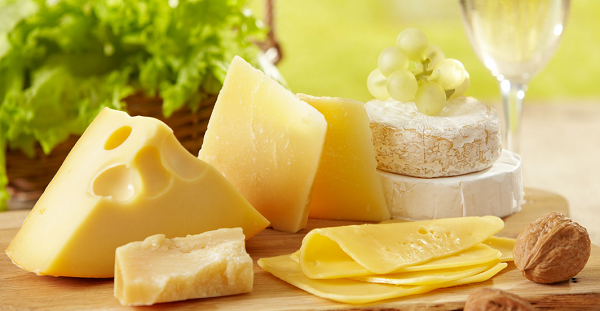
Popular varieties and types of locally manufactured cheeses in Israel — a handy cheese guide featuring Hebrew names and transliterations to help you navigate supermarket shelves, deli counters, and Israeli recipes.

popular varieties and types of Israel cheese

Israel is well known for its soft white cheeses and wide variety of dairy products. From inexpensive everyday staples to premium artisanal varieties, supermarket shelves offer an impressive selection of both locally produced and imported cheeses. In recent years, fromageries — specialized cheese shops — have sprung up across the country, from Sarona Market to Mahane Yehuda Market and beyond.

Soft cheeses in Israel are made from cow’s, goat’s, and sheep’s milk. Goat’s- and sheep’s-milk cheeses are known for their strong, distinctive flavor, while cow’s-milk cheeses tend to be milder and are produced year-round. Goat’s- and sheep’s-milk cheeses, however, are generally seasonal and more widely available during specific times of the year.

Soft cheeses have a high moisture content. Some white cheeses are pressed to expel the whey, while others are left to ripen naturally. During the ripening process, molds and bacteria develop, contributing to the flavor, texture, and individuality of each cheese.

Over the years, major Israeli dairies such as Tnuva, Strauss Group, and Tara have created a wide variety of cheeses — some fabulous and others perhaps less so. At the same time, smaller family-owned and boutique dairies like Gad Dairy, Zuriel, and Barkanit are also carving out their slice in Israel’s growing cheese market.

It is a Jewish tradition to eat dairy products on Shavuot (The Festival of Weeks) so we are sharing some cheesy info about local varieties and types of cheese that every Israeli shopper should know and can use in their recipes.

Brinza Cheese – Gvinat Brinza – גבינת ברינזה

Brinza — not “Breezer”! — is a soft, salty white cheese made from cow’s milk that is commonly used in both cooking and salads. With an average fat content of around 15%, Brinza is soft and spreadable when fresh but becomes firmer and more crumbly as it ages. It is usually stored in brine, which helps maintain its moisture and distinctive tangy flavor. Expect to pay approximately 90–100 shekels per kilogram.

Bulgarian Cheese – Gvinat Bulgarit – גבינת בולגרית

Bulgarian cheese is a white brined cheese similar to Feta, though typically saltier and creamier. Popular throughout Israel, it originates from the Balkan region and is commonly made from cow’s, sheep’s, or mixed milk. Bulgarian cheese is available in a wide range of fat contents, from 5% up to 28%.

It is versatile and commonly used in salads, sandwiches and pastries, crumbled over vegetables, in baked dishes, as a topping for pizza or savory breads, and anywhere a Feta-style cheese is called for.

In Israel, ready-packed Bulgarian cheese is widely available. Expect to pay approximately 20–25 shekels for a 250–350 gram package, depending on the brand and fat content.

Canaan Cheese – Gvinat Kna’an –  גבינת כנען

Canaan cheese is a white cheese with a 5% fat content.  A salt-free cheese.  Great for baking and even in cheese-cakes.  Expect to pay around 20-30 shekels for 500g.

Cottage Cheese – Gvinat Kotteg’ – גבינת קוטג

Emek Cheese – Gvinat Emek – גבינת עמק

Emek cheese is a hard, light-yellow cheese that has been popular in Israel since its introduction in 1942, with the original recipe remaining unchanged. Made from cow’s milk, Emek cheese typically contains around 28% fat, and it takes approximately one and a half cups of milk to produce a single 28-gram slice.

Known for its mild flavor and smooth texture, Emek cheese is a staple in many Israeli households. It is commonly sliced into sandwiches, melted in a toasted cheese sandwich — known in Hebrew as a “toast” (טוסט) — and used in pizzas, pashtidot (Israeli-style crustless quiches), soufflés, and cheese sauces. While versatile and widely loved, its flavor is milder than cheeses such as Edam, Cheddar, or Sweetmilk cheeses.

Prices generally range from 40–80 shekels per kilogram, depending on the fat content, with the 5% and 9% varieties often being the most expensive.

Tal HaEmek Cheese – Gvinat Tal HaEmek – גבינת טל העמק

Tal HaEmek is easily recognizable by its large holes and is considered Israel’s version of Swiss Emmental cheese. Made from cow’s milk, it has a firmer texture and a sharper, nuttier flavor than regular Emek cheese. With an average fat content of around 30%, Tal HaEmek is popular in sandwiches, toasted cheese sandwiches, and a variety of baked dishes where a stronger cheese flavor is desired. Depending on the brand and fat content, expect to pay between 40 and 90 shekels per kilogram.

Gilboa Cheese – Gvinat Gilboa – גבינת גילבוע

Gilboa cheese is a hard yellow cheese similar to Emek cheese, though it typically contains a slightly lower fat content of around 22%. Mild in flavor and versatile in use, Gilboa can be substituted in recipes that call for Edam, Sweetmilk, or Cheddar cheese. It works well in sandwiches, toasted cheese sandwiches, casseroles, sauces, and baked dishes. Depending on the brand and fat content, expect to pay between 45 and 65 shekels per kilogram.

Blue Cheese Varieties – Gvinot Kcholot- גבינות כחולות

Israeli blue cheese varieties are sold under a range of names, with each local dairy producing its own version of a Roquefort-style cheese. Popular examples include Galil Rokfor, Roq-Kfar, Bar-Kfar, and Kachol Lavan. Typically made from sheep’s or goat’s milk, these cheeses are known for their distinctive aroma and strong, salty flavor.

Blue cheese pairs particularly well with thick-crusted country-style bread, grapes, apples, and walnuts. Many people enjoy it with sweet dessert wines, while others prefer it alongside a glass of Cabernet Sauvignon. It can also be added to creamy salad dressings for a richer, sharper taste. If the pungent smell does not put you off, you’ll discover a bold and flavorful cheese with plenty of character. Expect to pay between 100 and 140 shekels per kilogram for locally produced blue cheeses.

Labaneh – לבנה

Labneh is a soft white cream cheese popular throughout the Middle East. It begins as yogurt that is strained to remove excess whey, resulting in a thicker, creamier consistency. Labaneh can be made from goat’s, sheep’s, or cow’s milk, each giving the cheese a slightly different flavor and richness.

Often served rolled into balls and preserved in olive oil, Labaneh is commonly enjoyed with Za’atar and warm Pita bread. Its tangy flavor and smooth texture also make it popular as a spread, dip, or part of a mezze platter.

Labaneh is available in a wide range of fat contents, from 9% to 30%. Prices generally begin at around 30 shekels per kilogram, while premium varieties — such as Labaneh balls made from buffalo milk — can cost close to 100 shekels per kilogram.

Soft-white, Creamed Cheese – Gvina Levana –  גבינה לבנה

White cream cheese is produced by all the major Israeli dairies and is available in fat contents starting from 3% and upward. Usually sold in 250-gram tubs, it can also be purchased in larger 500- and 750-gram containers, which are especially useful for baking traditional Shavuot cheesecakes and other dairy desserts. Mild and creamy in flavor, white cream cheese can often be substituted in recipes that call for sour cream or plain yogurt.

Premium varieties such as Symphonia and Napoleon typically have a higher fat content and are sold in a variety of flavors including garlic, onion, and dill. These richer spreads are similar in style and texture to Philadelphia cream cheese popular in the United States.

Tsfatit Cheese – Gvinat Tsfatit – גבינת צפתית

Tzfatit cheese is a semi-hard, salty white cheese known for its slightly rubbery texture. First produced in 1840 from sheep’s milk by the HaMeiri dairy in Tzfat, which gave the cheese its name — it is still made there today by descendants of the original cheesemakers.

Traditionally produced from sheep’s milk, Tzfatit cheese is now also made from cow’s and goat’s milk. Its mild yet salty flavor makes it extremely versatile in Israeli cooking. It can be used in lasagna, pashtidot (Israeli-style crustless quiches), börekas, or almost any recipe that calls for white cheese. It is also delicious sliced into sandwiches, especially when paired with tapenade and sun-dried tomatoes. Expect to pay around 80 shekels per kilogram.

Whatever your choice: from creamy white cheeses to sharp blue varieties, Israel’s cheese selection offers something for every palate. Alongside their flavor and versatility, many cheeses also provide valuable nutrients including protein, calcium, zinc, phosphorus, magnesium, vitamin A, vitamin B2 (riboflavin), and vitamin B12.

Last Laugh

What type of cheese hides a horse?
Mascarpone.

Isrel Road Safety Pledge

Reading Time: 3 minutes

Israel Road Safety Personal Pledge

Change one small behavior and you could save a life!

DRIVE SAFEAccording to the Israel Bureau of Statistics, from  2012 – 2016 there were 1,239 deaths on Israel’s roads.  We hear of a fatal road accident almost every single day. Let’s do our bit – let’s make Israel’s roads safer by increasing road safety awareness within our community.  Anashim B’Adom is a public organization that promotes road safety in Israel and they have joined and support our campaign. Anglos and members of the international community in Israel – let us come together and show our commitment to road safety.

It’s hard to change old habits.  But together, one small step at a time, we can make a difference.

Remember, your family needs you alive!

Drive safe

I pledge:

  1. Not to text while driving on the road, talk on a mobile phone unless it is hands-free, or wear headphones that prevent me from hearing other road users
  2. To limit conversations in the vehicle that might cause me to become distracted.
  3. To wear a seatbelt at all times and ensure that the passengers in my vehicle are securely strapped in. Baby car seats and booster seats must be secured according to the manufactures instructions.
  4. To obey the speed limit, to slow down near schools and hospitals.  I will maintain a safe distance from the car in front of me.
  5. To use my indicators at all times. In bad weather, wet or slippery roads and low visibility, I will use headlights and adjust my speed accordingly.
  6. Not to overtake on a solid white line and only when the road markings allow me to do so. I will not use the shoulder of the road to overtake another vehicle.
  7. Not to drink and drive or while under the influence of drugs. I will not drive when I am fatigued or when my reaction and response time could be impaired for any reason
  8. To be courteous and respectful of other drivers and pedestrians, or anyone who is on the street or sidewalk
  9. To ensure that my vehicle is properly maintained and my brakes and tyres, including the spare, are in good order

Cycle safe

I pledge:

  1. To cycle in single file so that motorists can maintain a safe driving speed and distance.
  2. To wear a helmet on all two-wheeled vehicles (bicycle, motorcycle, scooter) for my own safety
  3. Not to weave in and out of traffic or use the pedestrian crossings to beat traffic lights
  4. To ensure that my cycle’s reflectors are clearly visible

Walk safe

I pledge:

  1. To walk on sidewalks and footpaths and avoid walking next to the curb or on the road wherever possible.
  2. Cross at pedestrian crossings.
  3. Help other road users to see me especially in low visibility conditions

Child safe

I pledge:

  1. Educate my children on road safety
  2. Not allow any of my children under the age of 8 to cross a road unaccompanied by a responsible person.
  3. Make sure my children are buckled up.
  4. I will make sure that my vehicle is properly ventilated and I will not leave children or pets unattended in my vehicle at any time.

Now,

Brush up on road-signs, road safety tips, learn key Hebrew words and know to swap details after an accident

Thank you for making a commitment to keep Israel’s roads safe

Israel Aliyah figures, data & statistics for 2001-2016

Reading Time: < 1 minute

Crunching the numbers – Israel immigration figures from 2001 – 2016

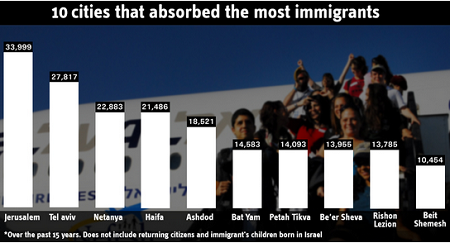
For the first time, Misrad Haklitah, The Ministry of Immigrant Absorption (Update: now the Ministry of Aliyah and Integration) recently released data indicating which cities absorbed the most olim, as follows:

olim figures
Photo credit: Ynetnews

According to the immigration data:

  • 34,000 olim have made Jerusalem their new home
  • 27,000 immigrants moved to Tel Aviv, of which 8,800 came from former Soviet Union, 5,200 from France, and 4,400 from the US.
  • Just less than 10,000 olim from Russia and a similar number from France chose Netanya as their Aliyah destination.
  • 21,000 olim moved to Haifa
  • 3,200 olim moved to Eilat, mostly from France
  • Modi’in-Maccabim-Reut took in 1,300 olim from the US
  • 1,000 Argentinians moved to Be’er Sheva
  • Ashdod, Ashkelon, Bat Yam, Petach Tikva, Rishon LeZion and Beit Shemesh are popular too.
  • Kfar Saba absorbed hundreds of Ethiopians
  • And lastly, Raanana still remains a popular destination with the Anglo and French speaking communities.

Kav L’Noar- A Lifeline for Youth

Reading Time: 2 minutes

Kav L’Noar – A Lifeline for Parents – A Safety Net for Youth

Kav L’Noar empowers youth and their families via individual mentoring and family counseling, giving them tools and techniques to help them navigate current challenges and obstacles they may face in the future. Our early identification and intervention programs address at-risk issues before they become life changing.

Who We Serve

  • Families, teens, young adults and couples in Jerusalem and surrounding communities

Our Services

  • Intervention and crisis prevention through supervised and curriculum-based Individual Youth Mentoring and School-based Mentoring Programs.
  • Culturally-sensitive individual, marital and family counseling, offered in English or Hebrew.
  • Improving parenting skills and an awareness of at-risk behaviors through community-education lectures and parenting workshops.

Our Goals

  • Reduce stress on the family and parenting relationship
  • Support a complete solution by connecting the teens, the parents and the school to work together to transform lives
  • Empower youth with the knowledge, tools and confidence to achieve their fullest potential

What Makes Us Unique

  • Treatment plans are tailored to meet the specific needs of each family member including coordination between our counseling and mentoring programs.
  • Our holistic family-systems model emphasizes the impact each family member has on one another.
  • Early intervention identifies core issues at the most formative developmental stage before they become life-changing and require long-term costly services.
  • Our staff is highly qualified, and have Masters level education, with many years of clinical experience. Our programs are evidence-based that research has demonstrated to be associated with the best results

Why Mentoring?

Mentoring serves as an impactful resource for helping at-risk teenagers. Individual change and progress is about having other individuals care, support, and guide on a one-to-one basis. Research has shown that adolescents benefit from structured mentoring relationships and result in improved behavior with parents, lower levels of drug and alcohol use, improved self-concepts, an enhanced sense of social acceptance and increased feelings of academic competence.

Mentoring is often the recommended intervention for several reasons:

  • Teenagers are often unwilling to engage in a normative therapeutic relationship.
  • The focus is primarily on building genuine friendships and enabling youth to develop the skills needed to build a friendship within a ‘real’ yet safe environment.
  • Many children do not need therapy! Some are just lonely, some lack organizational skills and others simply need extra support.

Goals include:

  • Improving school performance and reducing drop-out rates
  • Preventing or reducing at-risk behaviors
  • Strengthening relationships with and reducing alienation from the family
  • Improving self-perception
  • Helping teen immigrants with integration and social adjustment
  • Developing social skills

Kav L’Noar Center
25 Keren Hayesod
POB 7685
Jerusalem 9107602

02-622-3039
02-622-3602
02-622-3603 (fax)

Email: kavlnoarcenter@gmail.com  or info@kavlnoar.org

Website:

Extra Resources & Social Services for Israel’s Anglo Community

Upholstery Cleaning Tips.

0

Reading Time: 4 minutes

8 tried and tested upholstery & fabric cleaning tips and stain removal tricks. Just in time to properly prepare your home for the holidays.

Things are corona crazy at the moment and during lockdown,  you’ve washed the walls, the windows, the curtains and the floors as well – everything is sparkling.  You stand back to admire your work and you notice how grubby the lounge furniture suddenly looks.  Oy vey! Here are a few  upholstery cleaning tips from Uriel Schwartz, CEO at Fresh & Clean.

Upholstery Cleaning Tips red wine stain

If you can remove the cushion covers, then it’s easy to wash them. You can usually pop them in the washing machine, on a gentle cycle, with a good quality detergent.  Make sure the fabric is colorfast and washable first. You might want to avoid a disaster and have the covers dry-cleaned instead.

If you are dealing with fully upholstered furniture then:-

  1. Vacuum the furniture to get rid of dust, crumbs and other surface dirt.
  2. Spot clean! A mild solution of vinegar and water poured onto a clean, strong microfiber cloth, applied to any obvious stains and wipe gently.  (Some recommend using baby wipes to wipe up small spills and stains without saturating the material).
  3. Before you start, test your cleaning products on an inconspicuous area.
  4. Do not saturate the material with your detergent – use a small amount.
  5. If possible leave your furniture to dry naturally; open the windows and let the breeze in. If you’re in a hurry, you can dry a small stain with a hairdryer.

Know who’s near. Locate oleh-friendly English speaking professionals in your area.

Home remedies and cleaning tips to remove common stains from your upholstery.

1. Remove chocolate stains with milk

  • First, remove any excess chocolate by putting the fabric in the freezer and then scrape off the hardened chocolate.
  • Then, run hot water down the back of the chocolate stain to melt it and push it through to the front.
  • Rub washing up detergent into the stain and then soak the fabric in milk for 30 minutes to an hour.
  • Wash as normal and repeat if necessary.

2. Remove berry stains with lemon juice

  • When it’s berry season in Israel and your furniture has been stained, wash the berry stain as normal and leave it out in direct sunlight for some time to benefit from the bleaching effect of the sun’s rays.
  • If it’s a tough stain, rub lemon juice over the top, or lay a slice of lemon on the stain.
  • Rinse, dry and repeat if necessary.

3. Remove tomato stains with vinegar

  • Soak the tomato stain for 30 minutes in neat white vinegar (1 to 2 tbsp).
  • Rinse, and then rub detergent directly into the stain before washing on a cool cycle.
  • Repeat as necessary.

4. Remove ink stains with hairspray

  • An ink stain is tricky. Soaking the area in an alcohol-based product, like methylated spirits or hairspray, will give best results
  • Dab the stain with an absorbent cloth until it fades.
  • Wash as normal.

5. Remove oil stains with dishwashing liquid

  • Oil and any form of greasy stain can benefit from a squirt of good dish-washing liquid directly and rubbed in.  (works on hummus and tehina stains too).
  • Wash on a hot cycle, and repeat if necessary.

6. Remove blood stains with salt

  • Work quickly – the sooner you can treat the blood stain the better the outcome.
  • Create a paste with salt and cold water.
  • Rub this paste directly onto the stain
  • Rinse with cold water (not hot) and repeat as necessary.

7. Remove coffee stains

Blot the spilled coffee with a paper towel. Try and remove any excess liquid, but do no scrub. For black coffee stains, take some mild liquid detergent and place directly onto a damp sponge. Gently rub the stain with the sponge in a circular motion.

8. Remove red-wine stains

After enjoying a few glasses of wine at your festival meal or 3 cups of wine on Seder night, spilling the 4th is likely to cause havoc. This is a ‘must-know’  and time is of the essence

  • Rubbing table salt into the stain is the best option for a quick solution.  Leave to stand for one hour. Later in the evening, put the table-cloth into soak overnight and then launder as usual.
  • On a white table-cloth: Mix one part hand dishwashing detergent with two parts hydrogen peroxide. Sponge on; blot off. Rinse well.  (add hydrogen peroxide on your Pesach shopping list)
  • Soda water. Pour the soda over the stain. Let the liquid bubble up. Continue pouring the soda over the stained area until the color fades away.

These are a few other upholstery cleaning tips you might want to try.

  • Milk. Pour a generous amount of milk on top of the stain, let it soak into the fabric, blot the stain with a tea towel or paper towel. Do not rub, as this will settle the stain. The stain should be gone in an hour or less. Launder as usual
  • Kitty litter – a small mount of kitty litter, rubbed onto the stain, should help to absorb the wine.  Brush off the kitty litter when the wine has been absorbed and then launder as usual.

Of course calling in a professional is always the best way to go and a professional carpet cleaner will treat all the stains and give you good results. Call Uriel at 1-700-70-14-77 to schedule an appointment.

Tips for Treating Back Pain

0

Reading Time: 2 minutes

Pesach strain. Avoiding & treating back pain – 6 tips to maintain a healthy body.

By: Dr. Roy Sery, Chiropractor

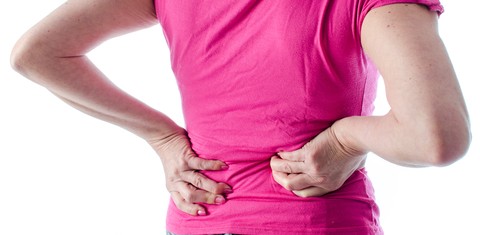
backache

We go crazy with cleaning before the holidays and especially before Pesach. It’s well known that doctors see an increase in back pain amongst their Jewish patients just before Pesach and Rosh Hashanah.

Dr. Roy Sery, well known to many of you, runs a spine-clinic in Herzliyah and Netanya. One of his specialties is sports chiropractic. Dr. Sery has kindly shared 6 tips to avoid, treat and eliminate back pain.

Your regular cleaning regimen puts a strain on your back and especially during Pesach prep time, you are bound to be doing extra cleaning and preparations that could put a strain on your body.  Here are a few tips to help avoid back pain:

Bending forward while mopping the floors or reaching for those ‘hard-to-get-to’ places can add significant pressure to your lower back. Make sure to keep your spinal posture straight while doing these household tasks.

1. Stand Straight

2. Lifting

Be careful how you lift. Don’t bend over from the waist in order to lift groceries or heavy objects. Bend your knees and squat, pulling in your stomach muscles and holding the objects close to your body as you stand up. Also, don’t twist your body while lifting.

3. Don’t Slouch

Pay attention to your sitting posture at the seder table. Although we are told to “recline” during the Seder, a straight-back chair with a low back support could help relieve pressure from your back. Sit up straight and avoid crossing your legs.

4. Shoes

Wear comfortable shoes all the time (and when you are cleaning). A good pair of shoes that provide good foot support of the right width can help alleviate back pain. Completely flat shoes and ladies’ high heels can aggravate back pain.

5. Exercise!

Use the holiday time to get some more exercise. Going for a 20 minute walk can help reduce some muscle tension and work off those matzah calories.

6. Seek Professional Help

If your back pain persists, please consult with your physician.

Pesach Table Setting Ideas

0

Reading Time: 2 minutes

10 low cost ideas for setting the table for the Chagim

Looking for fresh ideas to decorate your table? Take advantage of wild flowers or seasonal fruits for decoration.  Even with a limited budget there are things you can do to make a festive and inviting table that will set the scene for the rest of the evening and include all the traditional elements.

Classic white crockery is very functional, every year you can add a burst of color using table accessories and for a relatively small amount of money you can change the look each time.

Here are 10 low cost table decorating ideas.


{module [419]}


1. Turning apples into candle sticks is a gread idea for Rosh Hashanah

2. Inexpensive napkin rings – a simple DIY project. 

For Rosh Hashanah, cut apple or pomegranate shapes from colored board, embellish with a few beads, glue shape onto a cardboard ring.  Supplies can be bought at your local dollar shop for next to nothing.

For Pesach, matzah printed paper available at some craft stores (or from the internet and sneak printed at the office on the colour printer), cut and glued to form a ring.

3. Create the Exodus and crossing of the Red Sea with little Lego figures, a table runner (could be made from matzah slices) and some blue fabric

4. Buy inexpensive flowers in your favorite color, cut the stems away, and place the flower on the serving plate nesting on a folded paper fan.

5.  Shabby Chic – The mismatched look ideal for new olim who are still living out of boxes

6.  A sprig of fern or rosemary is a very inexpensive option.  Just walk down your street and you are bound to find rosemary bushes growing wild.

7.  You are sure to have some linen napkins you inherited from grandma, add a matching satin ribbon in the color of your choice – it is simple, elegant and timeless and you will be honoring her in a delightful way

8. Decorate a glass vase with slices of lemons or  limes or any small fruits, a few inexpensive flowers and you are done!

9. Don’t have enough of anything? Mismatched cutlery is another fun way of decorating your table.

10. With some hand-made or bonded paper, a ribbon and a colored marker,  you can decorate your table with simple place-cards.


Chag Sameach!


{module [421]}