

Last Updated on April 26, 2026
Should I be bringing my car to Israel?
Hebrew: האם כדי לי לייבא רכב לישראל
Importing your car may sound appealing while you’re still abroad, planning your Aliyah. According to your Aliyah emissary (שליח / shaliach), the process can seem relatively straightforward—but in reality, it’s often far more complex than expected.
The Ministry of Transport and Road Safety (Misrad HaTachbura – משרד התחבורה) permits the import of a vehicle for personal use only, and the process is subject to strict regulations, taxes, and technical requirements.
We are not trying to encourage or discourage you from bringing a car to Israel, we are just sharing valuable information based on the experience of other olim.
Oleh benefits for buying a car
Olim are permitted to import and ship a private vehicle to Israel for personal use, and may be eligible for reduced purchase taxes for up to three years from the date of Aliyah. Importing a car is not counted as one of the three tax-free shipments granted to new immigrants.
As regulations and benefits can change, it’s important to verify current entitlements with your local Aliyah office or the Ministry of Aliyah and Integration. They can provide the most up-to-date information regarding tax benefits and import requirements.
Hidden costs involved in bringing a car to Israel
$$$: A car will take up a significant portion of your shipping container. Since there are typically only shipping container sizes available, you’ll likely need the larger one to accommodate both your vehicle and your personal belongings—adding to the overall cost.
$$$ – In addition, you’ll need to factor in the cost of insuring the vehicle while it is in transit at sea, which further increases the overall expense.
$$$ – It’s also important to remember that you do not receive a full tax exemption on an imported vehicle—only a reduction—so this should be included in your overall cost considerations.
But, that’s not all.
Let’s assume you decide to bring your car. Your shipping agent has handled the paperwork, secured the necessary import permits, and the vehicle is scheduled to arrive in Israel a few weeks after you do.
At this stage, it may feel like the hard part is over—but the process doesn’t end there.
$$$ – In addition to all the usual Aliyah paperwork you’ll be handling in your first first few weeks —getting your Teudat Zehut (ID), Teudat Oleh, joining a Health Fund,, opening a bank account, and registering your children for school—you’ll also need to ensure you have a valid Israeli driver’s license in order to release your car from customs.
This means converting your foreign license. Since 2017, if you’ve held a driver’s license for five years or more, you can typically convert it without additional lessons or testing. If not, you may be required to take driving lessons and possibly pass a practical test.
Regardless of eligibility, it’s worth considering a few driving lessons. Road conditions, driving culture, and etiquette in Israel can differ significantly, and it’s wise to be prepared. Be sure to budget for this added expense.
Hallelujah—you’ve completed the licensing process and now have a valid Israeli driver’s license in hand.
$$$ – Your car is due to arrive at an Israeli port—either Port of Ashdod or Port of Haifa)—and you’ll need to be physically present to arrange its release.
In many cases, you may need to rely on public transport to get there. Depending on where you are living , the journey to the port can be time-consuming and involve multiple connections.
And as the saying goes—time is money (and bus fare).
Hidden $$$ – One of our members imported her car from Belgium. In the end, it took three separate trips to the Port of Ashdod—being sent back and forth between offices—before she was finally able to release it. Three trips… three times the cost.
Each journey to Ashdod, along with the hours spent dealing with paperwork and bureaucracy, came at a price—not just financially, but personally. She was forced to miss valuable Ulpan classes, setting back her ulpan classes during those critical early weeks of Aliyah.
Servicing your imported vehicle
$$$ – Do you know whether your car’s make and model can be properly serviced in Israel? Are spare parts readily available? And are there qualified mechanics who know how to work on your specific vehicle—especially if it’s something less common?
Jokes aside, this is an important consideration. If your car is not widely available in Israel, you may be required to obtain written confirmation from a local garage stating that they are able and willing to service it.
If parts need to be specially imported, repairs can take significantly longer than expected. During that time, you may need to rent a car or make alternative transport arrangements—something our Belgian member experienced firsthand when her vehicle required repairs shortly after arrival.
Left-hand-drive & Right-hand-drive Vehicles
However, if you are coming from countries such as the United Kingdom, Australia, or South Africa—where vehicles are right-hand drive—you will not be permitted to import your car into Israel, as local regulations require left-hand drive vehicles only.
Car Insurances
$$$ – Compulsory insurance (bituach chova), third-party insurance, and comprehensive insurance must all be arranged and paid for before you can legally drive your car in Israel.
Insurance costs vary depending on the driver’s age, driving history, and type of vehicle, but for a new car, you can expect to pay roughly 400–800 ILS per month for full coverage (compulsory plus comprehensive). It’s important to factor this ongoing expense into your overall budget.
Buying a car in Israel
The alternative is to buy a car in Israel at your own pace. Once you’ve had time to settle in—even if only a little—adjust to your new routine, learn some Hebrew, take a few driving lessons, convert your driver’s license, and secure a steady income, it may be a more practical time to make the purchase.
You can choose to buy a brand-new car using your oleh tax benefits, or opt for a “passport-to-passport” purchase—buying from another oleh who is selling their vehicle. In this case, the original tax benefits can be transferred, meaning the seller does not have to repay the reduced taxes.
Car Resale Value
If you import a car that is not commonly sold in Israel, you should also think ahead to the day you may want to sell it. Will there be a market for it? Who will be willing to take on the added responsibility of sourcing special spare parts or dealing with limited servicing options?
Valuing the car can also be challenging. The widely used Levi Yitzhak Price Guide only provides price benchmarks for vehicles officially sold in Israel. If your model isn’t listed, determining a fair market price may be difficult—often leaving you with a smaller pool of potential buyers and less negotiating power.
Bringing a Used or New Car?
You already own a car—but is it really worth bringing it with you?
If your car is a few years old, you need to weigh the total costs and effort involved—shipping, taxes (even with reductions), insurance, licensing, potential servicing challenges, and resale limitations. In many cases, the overall expense and inconvenience may outweigh the value of the vehicle itself.
What about bringing a new car? While this might seem more appealing, the same considerations apply—along with the risk of tying up a significant amount of money in a depreciating asset, before you’ve fully settled into your new life.
Taking everything into account, it’s worth asking: does importing a car truly make financial and practical sense—or would you be better off waiting and buying locally once you’re more established?
- Once, Aliyah was easier. Lynn Durlacker was the first olah to bring a car to Israel. From Zambia to Israel in her ’63 Morris Minor Traveler
- Aliyah and relocation shipping – bring your stuff from Point A to Point Israel
The Israeli Sussita – FYI
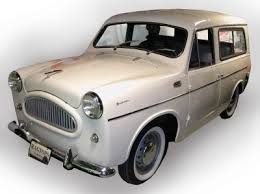
In the early 1950s, Israel’s first car manufacturer, Autocars, produced models such as the Sussita, Carmel, and Gilboa. The Sussita, made from fiberglass, became especially popular at the time.
According to a well-known local legend, Israelis would drive their Sussitas down to the Sinai, park by the roadside, and head off on hikes. When they returned, they were sometimes met with an astonishing sight: their cars partially eaten—chewed and chomped by wandering camels and goats, apparently drawn to the fiberglass body.
Whether entirely true or slightly embellished, the story has become part of Israeli folklore, adding a quirky chapter to the country’s early automotive history.

Is there any provision (ie limited use show car) to bring in a right hand drive vehicle?
Amiel, one cannot import a right-hand-drive vehicle into Israel.