23.7 C
Jerusalem
Tuesday, June 9, 2026
Sample Page
Home Blog Page 110

Prevent Dehydration

Reading Time: 3 minutes

How much should you be drinking to prevent summer dehydration? Recommendations from the Israel Ministry of Health.

prevent dehydration glass of waterRegular heatwaves and temperatures in the high 40’s in some places are common. Summer in Israel can be fun but it can also be a killer.  With coronavirus restrictions being updated regularly, it is harder to head outdoors and enjoy the water and nature parks and our beautiful beaches, but during extreme conditions, like a Hamsin or Sharav, or when the RealFeel temperature is higher than the actual temperature, it’s important to take care. Follow a few simple rules – enjoy the sun, prevent dehydration and protect your health!

Basic tips

  • Protect against sunburn and stay in the shade especially during midday.
  • Wear clothes that protect exposed skin.
  • Wear a broad-rimmed hat to casts a shadow on your face, head, ears and neck.
  • Wear sunglasses that cover your face and block UVA and UVB radiation.
  • Use a sunscreen with a sun protection factor (SPF) of 15-50 which protects against both UVA and UVB.  Apply to all exposed regions of skin, 15 – 30 minutes before going into the sun or the water and re-apply every 40 -80 minutes

Prevent dehydration by drinking plenty of water

Drink, drink, drink! The body starts to lose water before we even feel thirsty. In healthy people, the color of urine serves as an indicator: light colored urine indicates adequate drinking while dark urine is a sign that you need to drink.‎ 

Drink water rather than sweet beverages. Coffee and tea contain caffeine, a diuretic, but they still constitute a beverage.

How much should we drink?

Under normative conditions, the Ministry of Health suggests we should be drinking:

Age​ ​Boys Girls​
​1-3 ​0.9 liters per day (4 cups) ​​0.9 liters per day (4 cups)
​4-8 ​1.2 liters per day (5 cups) ​​1.2 liters per day (5 cups)
​9-13 ​​1.8 liters per day (8 cups) ​1.6 liters per day (7 cups)
​14-18 ​​2.6 liters per day (11 cups) 1.8 liters per day (8 cups)
18+ 8 cups per day 8 cups per day

Causes & Types of Dehydration

Dehydration is caused when the fluid balance in the body is disrupted often during prolonged physical activity, or where loss of fluids mainly through sweat, exceeds the consumption of fluids.‎
There are 3 grades of dehydration.
  1. Mild dehydration: accompanied by thirst and maybe redness in the face, nausea, rapid pulse, restlessness and agitation
  2. Moderate dehydration: accompanied by dizziness, headaches and possibly nausea, vomiting, shortness of breath, rapid pulse and severe weakness
  3. Severe dehydration: manifests in severe impairment of levels of consciousness, disturbances with vision and hearing as even hallucinations.

Look before you leave! Never leave the elderly, children or pets unattended in a car.

Treating Dehydration

  1. Stop strenuous activity
  2. Relax in a cool or shared area
  3. Begin fluid restoration with small amounts of water, gradually.‎ If symptoms of vomiting and confusion are present, intravenous infusion of fluids is necessary. Seek medical assistance during and episode of severe dehydration. 

What is heat stroke exactly?

Heat stroke is a serious condition in which the body produces extra heat. Heat stroke can occur even if you drink a lot and you are properly hydrated. 

There are two types of heat stroke:

  1. Classic heat stroke commonly seen in the elderly and in infants. Heatstroke is common during heat waves. Never leave children unattended in a closed car.  Heat stroke develops rapidly, body system failure and death can result. Please be careful.
  2. Exertional heat stroke in healthy people engaged in strenuous physical activity, usually in a very hot and humid environment.‎  Signs of exertional heat stroke include excessive sweating and a pale skin as opposed to the dry, hot and red skin in classic heat stroke.

Signs of heat stroke

Early signs could be: dizziness, extreme weakness, hallucinations, instability, seizures, impaired speech,  sweating, confusion, increased heart and respiration rates. The patient could even lose consciousness.

How is heat stroke treated?

Seek medical assistance urgently.‎

Traduction hébreu – français du répondeur automatique – Bituah Leumi

Reading Time: 3 minutes

Bituach Leumi – Sécurité sociale – ביטוח לאומי

bituach leumi log

Traduction hébreu – français du répondeur automatique

No. Téléphone *6050

Cette information fut rendue possible grâce au don généreux d’un bienfaiteur anonyme.

Les lignes téléphoniques à Bituach Leumi sont souvent très encombrées et il vous faudra faire preuve de beaucoup de patience.

Centre d’appel : dimanche – jeudi entre 8h et 17h

Heures d’ouverture de Bituach Leumi : dimanche, mardi et jeudi entre 8h et 12h30 et le lundi et mercredi entre 15h et 17h.

Veuillez noter que, avant d’arriver au menu principal, il se peut que vous entendiez un message général adressé au public en hébreu, sur un sujet ou autre lié à la sécurité sociale. Restez en ligne jusqu’à ce que vous arriviez au menu principal.

Pour l’hébreu – Faites le 1

Pour l’arabe – Faites le 2

Pour le russe – Faites le 3

Comme il n’existe pas de version française, nous avons traduit ici les instructions hébraïques.

Pour des informations concernant votre situation – Faites le 1

Veuillez entrer votre identifiant et taper sur la touche #

Entrez votre code personnel pour procéder et appuyez sur la touche # (demandez votre code personnel à un agent du service client).

Pour les formulaires – Faites le 2

Pour ouvrir un dossier – Faites le 1

Veuillez entrer votre identifiant et taper sur la touche #

Votre demande a bien été enregistrée. Le formulaire vous sera envoyé par courrier à l’adresse enregistrée.

Indemnités de chômage – Faites le 2

Veuillez entrer votre identifiant et taper sur la touche #

Votre demande a bien été enregistrée. Le formulaire vous sera envoyé par courrier à l’adresse enregistrée.

Prestations de maternité – Faites le 3

Veuillez entrer votre identifiant et taper sur la touche #

Votre demande a bien été enregistrée. Le formulaire vous sera envoyé par courrier à l’adresse enregistrée.

Pour le personnel d’entretien – Faites le 4

Veuillez entrer votre identifiant et taper sur la touche #

Votre demande a bien été enregistrée. Le formulaire vous sera envoyé par courrier à l’adresse enregistrée.

Pour modifier vos données – Faites le 5

Veuillez entrer votre identifiant et taper sur la touche #

Votre demande a bien été enregistrée. Le formulaire vous sera envoyé par courrier à l’adresse enregistrée.

Pour toute autre information – Faites le 3

Retraite – Faites le 1

Pour vérifier vos droits de retraite – Faites le 1

Tapez votre date de naissance – jj/mm/aaaa

Veuillez sélectionner votre sexe

Hommes – Faites le 1

Femmes – Faites le 2

Restez en ligne

(Le système va alors calculer si, en fonction de votre sexe et de votre âge, vous êtes en droit de recevoir une retraite)

Allocations familiales – Faites le 2

Pour vérifier l’allocation mensuelle que vous êtes en droit de percevoir, entrez l’âge de votre enfant et tapez #

Pour obtenir plus d’informations et de clarifications, rapprochez- vous de la branche de Bituach Leumi la plus proche.

Allocation naissance – Faites le 3

Premier enfant – 1719 shekels

Deuxième enfant – 773 shekels

Troisième et tout enfant additionnel – 516 shekels

Jumeaux – 8,594 shekels

Triplets – 12,891 shekels

Pour obtenir plus d’informations et de clarifications, rapprochez- vous de la branche de Bituach Leumi la plus proche.

Pour les heures d’ouverture – Faites le 4

Centre d’appels : dimanche – jeudi entre 8h et 17h

Les heures d’ouverture de Bituach Leumi : dimanche, mardi et jeudi entre 8h et 12h30 et le lundi et mercredi entre 15h et 17h.

Pour les numéros de téléphone et de fax – Faites le 5

Tapez le code régional pour lequel vous demandez des renseignements (02, 03, 04, 08 ou 09)

Pour obtenir un agent du service client – Faites le 9


Israel’s Messianic Community

Reading Time: 3 minutes

The Messianic Community in Israel

By: David Silver

MESSIANIC SYMBOL
Messianic Symbol

What is the Messianic faith?

Messianic Judaism refers to a movement that combines the Christian belief that Jesus is the Messiah with some Jewish traditions.  Combining Christianity with elements of Judaism, Messianic Judaism holds that Jesus is the Jewish Messiah and “God the Son” (one person of the Trinity). Both the Hebrew Bible and the New Testament are believed to be the authoritative scriptures (Wikipedia).

The faith emerged very soon after the end of the Six Day War in 1967 and the number of Jewish people joining this faith has been steadily increasing.

Who are Messianic Jews?

Messianic Jews are people who are born of Jewish parents and still consider themselves Jewish, even though they believe that the Jesus of Christianity, whom they prefer to call by his Hebrew name, Yeshua, is actually the long awaited for Messiah of Israel and the Jewish people.

History of the Messianic faith

Going back to 1967 and earlier, there have always been Jewish people who believed that Yeshua was the promised Messiah, however their numbers were extremely small, around the world, and even less in Israel. In the 48 years since 1967, the number of Messianic Jews in Israel has steadily increased. There are more than 180 Messianic Jewish communities in Israel, with around 15,000 – 20,000 members in total. Around the world, there are more than 600 Messianic Jewish communities of various sizes. One of the largest is in Kiev, with more than 1000 members.

In nearly every one of these Messianic groups, there are a mixed (faith) marriage families, so not all of the people are Jewish. Some references quote that there are between half a million and 1 million Messianic Jews in the world today.

Christians or Jews?

In Jewish communities in Israel and around the world, it is generally claimed that Jewish people who believe that Yeshua is the Messiah, have converted to Christianity, and therefore are no longer Jewish. However the great majority of Messianic Jews strongly refute this claim. They say that Jews who become Buddists, Hindus, Bahais, Atheists are still considered to be Jewish, so why can’t a Jew still be considered Jewish if he or she believes that Yeshua is the Jewish Messiah.

Messianic Congregations in Israel

There are around 180 Messianic congregations in Israel which include Hebrew, English and Russian speaking congregations.

Schools & Colleges

Seven schools, from pre-school to college, in Netanya, Jerusalem and Tiberias offer a curriculum that includes Messianic bible teachings.

Laws & Practices

There is a variety of practice within Messianic Judaism regarding the strictness of Torah observance. Generally, “Torah observant” congregations observe Jewish prayers, biblical feasts, and Sabbath.  Some Messianic Jews observe Shabbat on Saturdays. Worship services are generally held on Friday evenings (Erev Shabbat) or Saturday mornings.

Festivals

Messianic Jews observe 7 festivals – known as the 7 Festivals of the Messiah, they include:

  1. Passover (Pesach): Feasting for Freedom
  2. The Festival of Unleavened Bread (Hag HaMatzah)
  3. The Festival of First Fruits (Bikkurim)
  4. The Festival of Pentecost (Shavuot)
  5. Rosh HaShanah: New Year
  6. Yom Kippur: The Day of Atonement
  7. Sukkot: The Feast of Tabernacles
  8. Shemini Atzeret and Simchat Torah

For more information, please contact David Silver via email at kiwi [@] netvision dot net dot il


Protection for Victims of Abuse – Magen for Jewish Communities & in Israel

Reading Time: < 1 minute

Magen for Jewish Communities – Dedicated to Awareness, Prevention & Healing from Child Abuse

magen new logo final ENG 04 1Magen for Jewish Communities is dedicated to creating safer Jewish communities in Israel and around the world by helping develop a culture of transparency that prioritizes the well-being of victims, holds predators accountable, and eliminates the stigma surrounding sexual abuse.

Magen advocates for survivors of sexual abuse and exploitation within their communities, institutions and through the justice system.

We raise awareness in the community through educational events, creating and publishing resources, and the mainstream and social media.

We support survivors of sexual abuse with therapeutic and communal resources, as well as by standing with them throughout their journeys toward therapeutic healing and justice.

If you or someone you care about is a survivor of sexual abuse, or if you questions about issues to related to child safety or sexual abuse in general, please contact Magen. We are here to help, advise, and support the Anglo community in Israel. 

Telephone: 02-372-4073

Registered Charity 580528230

Mental Health Services Israel

Reading Time: 2 minutes

Israel’s Mental Health Reform

Hebrew – בריאות הנפש

Mental health

In accordance with a new law –  The Mental Health Reform –  of 1 July 2015, insurance responsibility for mental health services has passed from the Ministry of Health to the Health Funds (kupot cholim).

The three main objectives of the new Mental Health reform are:

  1. To improve health services, both for the body and for the mind, for residents of Israel covered by national health insurance;
  2. To end the distinction currently made between treatment of physical health and of mental health
  3. Reduce the stigma attached to mental health

Until now, the Ministry of Health has been funding mental health services.  Now that the responsibility of funding has been transferred to the Kupot Holim (Maccabi, Clalit, Leumit and Meuhedet), treatment will become an integral part of the family health services currently offered to Israeli citizens.

Any Israeli citizen, of any age, who so wishes is now entitled to received mental health services directly from their Health Fund

Where to go

Should you desire, you can obtain a wide range of treatments and additional  information from the mental health clinic of your Health Fund (Maccabi, Clalit, Leumit and Meuhedet).  Each Health Fund has its own system and structure for obtaining mental health services and treatments.

The new Mental Health Reform allows members of the public to seek  treatment for any type of mental stress. Liaise with your family practitioner.

In an emergency, it is possible to go to a psychiatric emergency room for treatment,

  • Every Center for Mental Health has a psychiatric emergency room operating 24/7. A referral, payment or co-payment is not required.
  • It is also possible to attend emergency rooms of general hospitals, where  there are psychiatric consultants.  Note that at general hospitals payment must be made in accordance with the accepted rules of any emergency room treatment in a general hospital.

Which mental health services are included in the basket?

The health basket (Heb: sal briut) includes psychiatric hospitalization services in psychiatric hospitals and in departments of psychiatry in general hospitals, as well as the following clinic-based services:

  • Psychiatric diagnosis, assessment, counseling and treatment services; intervention in crises; personal, family, group, follow-up, support and maintenance treatment; and house calls if needed.
  • Day treatment at a clinic.
  • Provision of a psychiatric opinion or medical certificate regarding a member, following an examination in the clinic, by order of the District Psychiatrist or by court order in criminal proceedings, under the provisions of the Treatment of the Mentally Ill Law.
  • Service for a member who receives in-clinic service in order to assist in submitting applications to a Regional Rehabilitation Committee under the provisions of the Rehabilitation of Persons with Mental Health Disability Law, including the preparation of Opinions for the Committee.

Services will be provided based on clinical and professional judgment of the clinical professionals, just as in every field of medicine.

A full list of services and benefits are outlined in the Ministry of Health’s official website (Hebrew, Arabic, English, Russian, Spanish and French)

Israel Ministry of the Interior – Misrad Hapnim

Reading Time: 2 minutes

The Ministry of the Interior – Misrad HaPnim

Hebrew – משרד הפנים

Misrad HaPnim is the government office responsible for matters relating to:

Misrad HaPnim Website

https://www.moin.gov.il/  

Calling Misrad HaPnim – Public Telephonic Enquiries

Quick dial – *3450

Tel: 02-6294750 Sunday, Tuesday & Thursday from 8:00 – 16:00 and on Monday & Wednesday from 8:00 – 18:00

Main Branches of the Ministry of the Interior

Location Address Opening Hours Please note: different departments within have different operating hours.  Before you go, check with the branch nearest you for exact information.
Haifa 15 Palyam St Sun, Mon, Tue, Thur: 8:00-12:00
Mon: 14:30-17:00
Wednesday: 13:30-17:00
Jerusalem (main branch) 1 Shlomzion HaMalka Sun, Mon, Tue, Thur: 8:00-12:00
Mon: 14:30-17:00
Wednesday: 13:30-17:00
Tel Aviv 125 Derech Begin Sun, Mon, Tue, Thur: 8:00-12:00
Mon: 14:30-17:00
Wednesday: 13:30-17:00

Useful public office information

Other branches

Afula, Akko, Ariel, Ashdod, Ashkelon, Beer Sheva, Bet Shemesh, Bnei Brak, Eilat, Gilo, Hadera, Holon, Herzliyah, Karmiel,  Kiryat Shmonah, Nahariya, Ma’ale Adumim, Modi’in, Nazereth Illit, Netanya, Petach Tikva, Ramat Gan, Ramle, Rechovot, Rishon LeTzion, Tzfat. 

A complete list of all the branches can be found here:

Self-Service Machines

The Self-Service machines (only at some of the branches*) allow you to:-

  • Renew a passport (age 18 and over)
  • Register a birth
  • Change of address
  • Request a birth or death certificate
  • Verify Israel entry and exit dates
  • Apply for a new attachment to your identity document (the sefach – ספח)

The self-service is available only at these Misrad Hapnim offices: Jerusalem, Tel Aviv, Rishon LeZion, Rehovot, Nazareth Illit, Haifa, Afula, Petach Tikva, Ramat Gan, Herzliyah, Holon, Beer Sheva, Modiin and Ashdod.

Did you know?

Israel’s first Minister of the Interior in 1948 was a man named Yitzhak Gruenbaum (born in Warsaw in 1879). Following his exit from politics, he undertook the editing of an Encyclopedia of the Diaspora Communities and numerous other volumes, including The Zionist Movement and its Development. He spent his later years on kibbutz Gan Shmuel, and died in 1970. (Wikipedia)

Aliyah Satisfaction Survey Results 2015

0

Reading Time: 10 minutes

Aliyah Survey Results 2015

Anglo-list is a well established platform delivering practical Aliyah and Israel lifestyle information for Olim and expats.  The establishment of the Facebook group Keep Olim in Israel Movement’s mission is to empower, inspire, and support Olim, to help them integrate and find jobs.  We decided to join forces and investigate current Aliyah issues and frustrations.  This is our first survey together and from these and results of future surveys we will be able to identify problem areas and move towards a better future for all olim.

From various chat boards and social media Anglo-List and K.O.I.M identified a number of problem areas that olim continue to find difficult, distressing and even exasperating and from this information we prepared our questions.

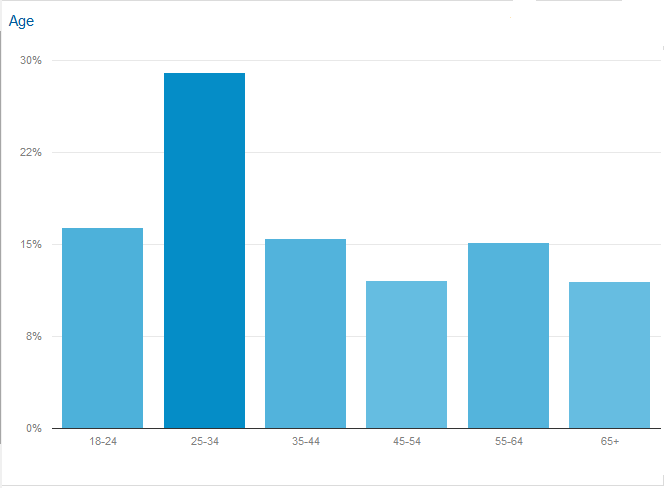
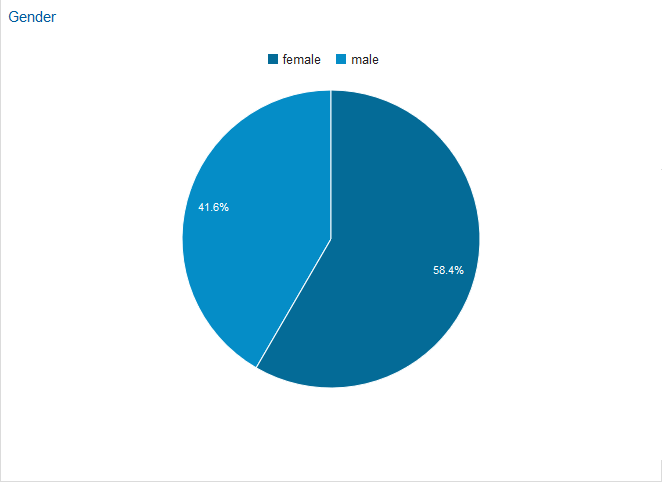
The survey was promoted and shared in many Facebook groups for English, French, Portuguese, Italian, German, Greek,  Bulgarian and other language speakers.  It was also promoted on other social networks. 312 people participated in the survey.  According to recognized statistics, a 6% margin of error is considered normal in a sample group of 300 people.  From this website’s demographics as well as previous surveys, we know the following:-

Age Demographic

survey - ages

Gender Demographic

survey - gender

1. How long have you been in Israel?

First year More than 1 but less than 3 More than 3 but less than 5 More than 5 but less than 10 More than 10 but less than 15 More than 15 years
11% 21% 16% 22% 14% 16%

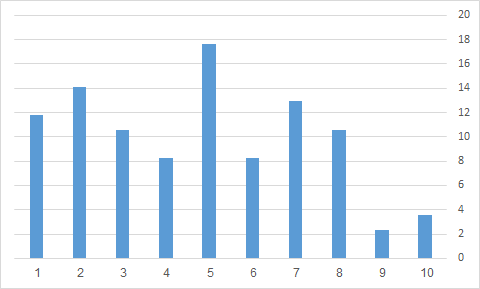
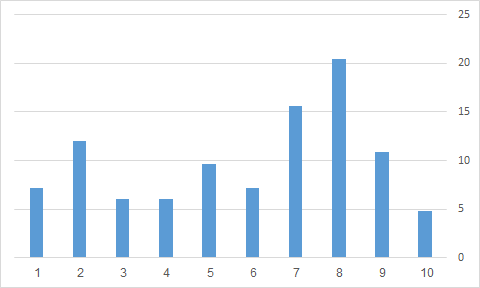
The community was asked to rank various topics on a scale of 1 – 10 with 1 being the worst experience and 10 being the best experience. All answers are shown in percentages.

To gain further insight respondents were invited to add a personal comment. There were as many as 37 comments on some of the questions.  Obviously we could not publish them all.  We have published some of the comments that gave us some insight into the real issues.

2. How would you rate your overall experiences with the various government offices like Misrad Haklitah (Ministry of Absorption), Misrad Hapnim (Ministry of Internal Affairs), Bituach Leumi (National Insurance) or any other government office you might have had to deal with?

survey - government offices3

Summary

52.7% off respondents answered in the negative 1 -5 range

47.3% of respondents answered in the positive 6,7,8, and 9 range with nobody being completely satisfied.

Comments

– I went to all places afraid of what I’d experience, but people in Bituach Leumi and Misrad Hapnim were nice and helpful once I spoke up and asked. Ironically Misrad Haklitah was the worst. But bureaucracy is never fun.

– I’ve adjusted my expectations. With the right attitude, and Hebrew, I get things done.

– The score of 5 that I gave is made out of higher numbers for Misrad Hapnim, where I never had any issues, an average number for Misrad HaKlitah, which has never impressed me much, and a very low number for Bituach Leumi, which is an useless dinosaur.

– Fortunately, we know how to network really well, so we haven’t had any problems with BL or other government offices.

– In general, most of the people working in those places are not polite. It is hard to deal with them sometimes, when we just want to solve our problems.

– Main setback – working hours. If you have a job – forget getting there without taking a day off. It would be best if all the communication could be done remotely, via internet and postal mail for documents.

3. How would you rate the Hebrew learning experience at the Ulpan or Merkaz Klitah as covered by the Aliyah benefit?

survey-ulpan

Summary

65.76% off respondents answered in the negative 1 -5 range

34.24% of respondents answered in the positive 6 -10 range

Comments

– I found the teaching techniques ‘infantilizing’ and humiliating for mature adults from English-speaking countries. Some teachers were better than others.

– Not great hanging out with other Anglos only

– It was a good experience socially, but most of the other people in the Ulpan were Russian doctors, so much of the conversation was in Russian. I learned a bit, but began to speak Hebrew with a Russian accent, which was a bit funny. Still, it’s an excellent program.

– I spent a while at the Mercaz Klita in Ra’anana and although not really a perfect situation, I found that it really helped to have somewhere to go immediately.

– After finishing Kita Aleph, about 10-12 of us signed a letter of complaint to the Minister of Education about the terrible teacher. We wanted our time credited back to us and we documented why she was so terrible. We received no reply!

– It is hard to come to a new country. Having the absorption center was really good, considering that you have a place to stay until you can put your thing in order. But the ulpan was terrible. I was in a experience program, the first class of the Movilim program. It wasn’t good at all. While I tried to stay in my classes of the Ulpan Alef, my wife gave up of her class of the Ulpan Alef Plus. She knew the basic of hebrew, but there where people up to the Guimel level at her class, and that transformed her experience into something terrible.

– I made aliyah in 2005, I live in the north and a few months after I arrived the war broke out and after that I was not allowed to do a free ulpan anymore,

4. How would you rate the experience of finding suitable, appropriate and affordable housing or accommodation in Israel?

survey - housing

Summary

56.98% off respondents answered in the negative 1 -5 range

43.02% of respondents answered in the positive 6 -10 range

Comments

– The lack of a rental system in Israel is a problem. Need to build rental only buildings

– I’ve never had a problem finding housing, but I’ve intentionally avoided Tel Aviv and Jerusalem, since I couldn’t afford to live there.

– Very hard to find rentals for a normal price unless you go to the middle of nowhere.

– Nightmare! adverts are misleading, landlords are slumlords, moving costs are very high, contracts are complicated

– This is a tricky question. At first I lived in a rat hole. But it’s because I didn’t know any better. Apartments are extremely expensive here, and when I first got here I didn’t know where or what to look for, so I took the first reasonably priced studio in a location that I knew. After a year or so and becoming more familiar with Tel Aviv I moved out and since then I have managed to find very nice places to live (not necessarily in the center center) but still, better quality, better landlords, better prices. Having Israeli friend help me with contracts, however, has been invaluable. I’m not sure how my experience would have been without Israeli’s who know the system help me…. However, I believe that this would be the case in any new country (to have locals help you out) so I don’t think it’s particularly an Israel problem.

– The problem is to find something affordable to rent in the ares olim have better chances to get a job (Jerusalem or Tel Aviv area). And if you want to buy something you have to be a hero (or a millionaire).

5. How do you rate the experience of signing up or dealing with private services like The Electric Company, Cable TV companies (HOT or YES), all phone companies (Bezeq, Orange, Cellcom, Pelephone etc.), the internet providers and gas companies etc.?

survey - service providers

Summary

60.01% off respondents answered in the negative 1 -5 range

39.99% of respondents answered in the positive 6 -10 range

Check out our translations of household bills.  These are sure to help you!

Comments

– The signing up is not the problem, everybody wants your money. The nightmare starts when you get over billed or want service or disconnect

– i have had really good and also very negative experiences. being lied to, tricked …. yet i have been treated buy certain companies like i am a millionaire

– Terrible service on the phone and charges that are well above and beyond what was contracted.

– Once I learned that nobody takes no for an answer and that everything has to be documented in writing, all has been smooth sailing.

– The major problems we had was with Orange and Hot. Poor customer service. We have Bezeq and Golan and have been happy with them.happy

– It could have been easier and clearer. When you push “2” for English, and the person who answers doesn’t speak English, it is discouraging!

– A lot of the websites are in Hebrew only

6. How do you rate the entire experience of finding suitable employment?

survey - employment

Summary

58.34% off respondents answered in the negative 1 -5 range

41.66% of respondents answered in the positive 6 -10 range

Comments

– Anglos are taken advantage of.

– I was way overqualified for my profession and had to completely “repackage” myself.

– For people over 40 that do not have a degree its as if the government agencies don’t care about us. Their is no real help for schooling and/or job training.

– I found a job after 3 months. The company laid everybody off. It took me 6 months to find another job. I’ve been there over 3 years.

– I feel that I have been very lucky in this regard…. I didn’t have trouble finding decent jobs in the beginning. The salary’s are a lot less than in the USA but I was realistic and expected it… I’m not being taking advantage of, it’s just that these are the salaries in Israel. I have been in my current job for 4 1/2 years.

– It took about 7 years, but I finally have a great job

7. How do you rate your entire financial management experience from working with Israeli banks, managing your Aliyah budget, savings etc.?

survey - finances

Summary

62.36% off respondents answered in the negative 1 -5 range

37.64% of respondents answered in the positive 6 -10 range

Comments

– OK – but not good customer service

– The banking system is appalling

– Awful experience working with several banks which didn’t seem interested in listening to any of my issues or concerns. Very difficult to deal with the credit card companies as well.

– Mixed, overall positive experience with the banks and with ‘xxxxx’ for budget advice.

– Our finances were in a mess before we made aliyah. Can’t blame aliyah for that. But, we do need to work on our budget since prices here are much higher than they are in the States.

– The idea of service fees charged by the bank to receive my money (even cash) is unbelievable. How can you open a bank account without money, yet they charge to accept it!

– You need to be a smart consumer.

8. How do you rate your adult social and cultural integration experience from making new friends, dating, fun activities, cross-cultural differences etc.?

 survey - social

Summary

40.96% off respondents answered in the negative 1 -5 range

59.04% of respondents answered in the positive 6 -10 range

 Comments

– Friends are all Anglo or Western European. Israelis are unfriendly and aggressive

– It took time, but I loved the social and cultural differences and experiences.

– Dating very difficult. Otherwise, I have a lot of friends.

– It’s taken some time and a lot of effort, but I have made some good friends. It’s rather difficult to find social things to do that aren’t in Hebrew, and there are some cross-cultural differences, but that’s actually part of the magic.

– With this perhaps I have been lucky… I have met amazing people and feel like I have a very strong community of peers from all over the world as well as native Israeli’s. I have been in 2 serious relationships with wonderful men, and I have dated a whole slew of bafoons… but that’s life 🙂

– Impossible to find Israeli friends but otherwise very good

9. How do you rate your children’s social and cultural integration in Israel?  If you do not have any children or your children did not accompany you to Israel please select the N/A (not applicable) option.

survey - children

Summary

Surprisingly, this question was not applicable to 56.96% of the respondents. This could mean that a) their children were born in Israel b) they made Aliyah later on in their lives and their children did not accompany them to Israel or c) they do not have any children.  The remaining respondents answered as follows:

12.1% off respondents answered in the negative 1 -5 range

31.8% of respondents answered in the positive 6 -10 range. We are happy to see that children seem to be having a positive Aliyah experience

Comments

My daughter arrived in Israel a few years before I did. She studied here after school, worked here, married here and had two children here.

– Left my children behind…they were 19 and 22 and did not want to come with me.

– My daughter came a year after I did, and went to Mishmar HaEmek for ulpan. She learned so quickly and is now in the Air Force. She’s doing fine.

10.  From what you understood or were told by official bodies, Jewish Federations or Aliyah organizations, about Israel before you made Aliyah, have your expectations been met?

survey - overall

Summary

38.97% off respondents answered in the negative 1 -5 range

61.03% of respondents answered in the positive 6 -10 range

Comments

– I had a fabulous shaliach who was very helpful and realistic.

– i probably didn’t ask enough questions, or truly understand how hard it would be to learn the language

– Thank G!D for the Jewish Agency and my Shaliach. Thanks to the Christians who gave me a grant for my lift.

– Usually factually correct but we were not prepared for the frustrations & unexpected surprises

– Exceeded actually.

– I got a lot of good advice from this website.

Thanks to all the respondents who participated and took the trouble to provide so many insightful comments.

Thanks also to K.O.I.M for their current and future collaboration.

Next survey 2017: Aliyah Satisfaction Among Anglo Olim (Anglo-List & The University of Haifa)

You may like these surveys too

Aliyah Sotry: Israel Cured Aaron Goldhammer

Reading Time: 6 minutes

Israel Cured Me

By: Aaron Goldhammer

aaron goldhammerNine years ago, when I was 19,  I got my 3rd right shoulder dislocation while playing water polo. So like before, I went to the doctor and was referred for physical therapy. During the therapy I started experiencing an extremely intense burning sensation in my shoulder and  whenever anything came into contact with the skin; clothing, water, bed sheets, etc. all caused equal agony.  The doctors conducted tests;  X-rays, MRIs, and even a triple phased bone scan. Eventually I was diagnosed with a disease called Complex Regional Pain Syndrome. It’s a very rare condition characterized by intense burning and constricted blood vessels, eventually leading to osteoporosis. My doctors told me that it was likely that it would spread to other parts of my body and that there really want too much they could do for me, aside from trying to make me more comfortable. They were right about it spreading. Over a period of 4 months the pain and skin discoloration (due to the constricted blood flow) had spread from my right shoulder to the fingertips of my right hand. 6 months later it spread to my left arm to my fingertips. It was awful.

I was given an assortment of medications to help me cope. Imagine for a moment being in constant pain – even with the meds,  in a state of drug induced pain relief,  fatigued due to a of lack of natural sleep and other side effects of the meds.  All of that, along with knowledge that your body is slowly breaking down was how I lived for years. Still I was committed to trying to live as normal of a life as I could. I continued school and working full time, while trying to maintain a normal social life.

When I was 21,  I knew my deteriorating condition would make it difficult to travel.  I had never been to Israel so I decided to fill out an application for Birthright and was accepted shortly afterwards. When my plane landed in Israel, I knew right away that I was in a special place; in a special land with special people.  The first encounter I had with an Israeli was an elderly man who asked me where we had come from. I told him “America” and he responded by giving me a huge hug and said to me “welcome home!”

Birthright took us all around the country and it was amazing.  I was completely unprepared for the awesomeness of the Kotel! I went up to the Kotel and touched it, and was surprised that instead of the usual pain in my shoulder, it felt cool and soothing. I closed my eyes and asked G-d for a miracle. I promised that if I got better I would give up my life in America, become religious, make Aliyah and join the army if I was called. I promised to spend the rest of my life in Israel. After my Birthright group  I returned to America hoping that I would return to Israel again soon to fulfill my promise. On my return, I discovered that my condition was deteriorating and that the pain had spread to my right leg. Every morning I got up hoping I would be healed.

Two and a half years later – the morning of Rosh Hashana. I woke completely pain free and without any discoloration! It was unbelievable and I immediately remembered  everything that had happened in Israel. After Rosh Hashana I went to my doctors who had a hard time believing me.  They ran tests again. This time my test results were negative. I was cured! I was also spared the agony that accompanies the drug withdrawal.  In one month, I was completely drug free. Unfortunately my body was not in good shape. A lot of my muscles had atrophied and I lost a lot of dexterity in my hands. It was clear that I would not be useful to the army in this condition. In an effort to keep my original commitment, I decided to train hard and get strong. I  believed that eventually I would get a sign that it was time to return to Israel.

I started getting fitter. I took up shooting and even received training from instructors from the LAPD, ex-Marines, and other professionals in tactics and combat. I also took up knife fighting and Taekwondo. It was hard, but incredibly rewarding!

One day, 2 years later, I got a message from someone on Facebook, whom I had never met or spoken to before regarding an orthodox rabbi in LA who runs a program to bring young professionals to Israel, even if they had been on Birthright. I instantly felt that this was it! This was my time! I quickly signed up for an info session to learn more about it.   It was going to be sort of kiruv trip involving learning session and other religious activities.. It all sounded great to me!  There were hundreds of applicants.

A couple of weeks later I got a call from the rabbi saying that I had been accepted! I was literally jumping up and down with excitement.

The program was fantastic! The rabbi had such an incredible way of explaining things. The group was made up of young men and women of good character. It was a real pleasure getting to know them.  I became shomer Shabbat and got stricter with kashrut. As we got closer and closer to the trip I became more and more excited! I knew that something was going to happen in Israel but I had no idea what!

I arrived in Israel in December,  2012.  filled with the same amazing feeling  I had the last time I was here. We went to many wonderful places. The rabbi and group members added to the experience.. But the highlight of the trip was to be in Jerusalem.

The program ended that day around 22:30.  The rabbi and I as well as 3 other group members went to daven at the Kotel.  I arrived at the Kotel and once again felt its power. After davening we split up. I went back to the spot where I had made my first plea with G-d and once again placed my hands on the wall. It was as if a bolt of electricity shot through me, both physically and emotionally! I fell to the ground in tears as the memories of the past few years all came back in an instant! This was the sign I was looking for. At that moment, I knew I would fulfill my promise and make Aliyah.

Up until this time no one knew the entire story, not even my parents. I did this purposely because I didn’t want anyone to interfere or try to talk me out of it. I wanted it to be between G-d and myself. The first people I told were the members of my group. On the last night we  had dinner together and each person took a turn to talk about their experiences. I told my story for the first time. When I finished, I told them I would be traveling back to America to tell my parents and friends and finalize arrangements.

I returned to LA.  After a dinner, I told my family that I had some news. I told them the entire story, filling in many blanks. From their perspective, I was sick for years and got better on Rosh Hashana. They were shocked to hear the details! My mom and sister cried and my dad seemed upset. They accepted my decision and the next day, I filled out my Aliyah application  through Nefesh b’Nefesh. I made Aliyah on April 10, 2013.

I spent my first 3 months at a  particular yeshiva.  But for me it was it anti-Zionist and their “line” of Judaism wasn’t for me either. There were some very unpleasant moments there but I learned a lot about Judaism, made some friends, and connected with some special rabbis. I learned a lot about myself and my Judaism even though I did not agree with all of their teachings. When I left the yeshiva, I was introduced to my future wife. 23 days later we got engaged and then married  in January 2014. In December 2014 she gave birth to a baby girl. That month we also moved to a yeshuv in the Shomron called Itamar. We have wonderful neighbors and we really feel at home. I work for a software company in Raanana.

I know my story is unique. I have a lot to be thankful for. Being cured of my illness, becoming religious, marrying an amazing Israeli woman and being “adopted” by her family, having a beautiful daughter, getting a great job, moving to an amazing community…  I could go on and on. My aliyah wasn’t all easy though; we’ve had financial troubles but we worked hard to get where we are in a short amount of time. We never gave up and always looked toward the future. I hope my story inspires others to stay in Israel.

Israël: 14 conseils professionnels – Israel Employment tips

Reading Time: 3 minutes

Le travail, carrières et emplois pour les Francophones en Israël

Hebreu: עבודה לדוברי צרפתית בישראל – עצות וטיפים

Cette information fut rendue possible grâce au don généreux d’un bienfaiteur anonyme. 

expats in israel

15 conseils professionnels

1. La gestion de votre recherche d’emploi

Créez une grille avec les informations suivantes : date, nom de l’entreprise, intitulé/descriptif, point de contact, coordonnées et la provenance de l’annonce (LinkedIn, journal, etc.).

2. La langue

Si le poste demande la connaissance d’une langue étrangère, soumettez alors votre CV dans cette langue. Si vous le présentez dans une autre langue, il est fort probable qu’il soit rejeté.

3. Votre CV

Faites traduire votre CV professionnellement. La plupart des agences de recrutement offrent des conseils en ligne pour aider à composer un CV ainsi que des exemples. Suivez leurs conseils et incorporez-les dans votre CV.

4. Relisez-vous

Relisez votre curriculum vitae. Votre CV donne de vous une première impression. Si vous soumettez un CV avec des fautes d’orthographe, de grammaire ou autres, vous donnez, alors, une très mauvaise première impression.

5. La lettre de candidature

Ajoutez une lettre de candidature à votre CV. Cette lettre a une importance capitale. Ne pas ajouter de lettre donne l’impression que vous envoyez votre CV n’importe où sans prendre le temps ni l’énergie de postuler à un poste en particulier.

Il est inutile de recopier votre curriculum vitae sur votre lettre. Une courte présentation, souligner pourquoi vous êtes le plus qualifié pour cette position est suffisant.

6. La présentation

  • Assurez-vous que votre CV ne fait pas plus de deux pages et n’employez pas une taille de police inférieure à 11 – on recommande 11 arial.
  • Certaines sources recommandent d’utiliser de la couleur – écrire le nom des entreprises dans une couleur différente peut faciliter la lecture de votre CV pour un employeur potentiel.
  • Certaines sources suggèrent d’insérer le logo des compagnies dans votre CV.
  • Envoyez votre CV sous forme de document WORD plutôt que sous format PDF. De cette façon, un employeur potentiel peut suivre, ajouter des commentaires et annotations directement sur le document.

7. L’éducation et l’expérience

L’éducation contre l’expérience. Laquelle faire valoir en premier ? Si vous avez fait vos études dans une université réputée, mettez-le sur la première page. Mais, si vous avez étudié à une université peu ou pas connue et que votre parcours professionnel est impressionnant – mettez votre éducation à la fin.

8. Prix/récompenses

Prix/récompenses – faites état de chaque prix que vous avez reçu ou si votre employeur vous a décerné une prime ou promotion, parlez-en également.

9. Le bénévolat

Les activités relevant du bénévolat – ne les mentionnez que si elles sont en rapport avec la position à laquelle vous postulez.

10.Votre parcours professionnel

Faites une description très brève des entreprises pour lesquelles vous avez travaillé – tous les recruteurs ne connaissent pas l’ensemble du marché. Deux lignes suffisent.

11. Les exigences du poste

Lisez attentivement les exigences du poste. Les entreprises listent leurs exigences pour une raison. Si vous envoyez un curriculum vitae pour une position qui ne correspond pas à votre expérience, alors faites en sorte d’inclure des arguments de vente convaincants et pertinents dans votre lettre de candidature.

12. Communication

Si l’annonce du poste offre une adresse de messagerie électronique pour envoyer votre curriculum vitae, alors servez-vous en.

Ne commencez pas à essayer d’entrer en contact par le biais de LinkedIn ni de demander à votre employeur potentiel d’aller consulter votre CV sur votre compte LinkedIn. Cela peut être perçu comme un dérangement pour l’employeur potentiel.

13. Le salaire

Ne parlez pas du salaire avant d’avoir eu, au moins, un premier entretien.

14.L’entretien

Si vous êtes convoqué à un entretien, assurez-vous d’apporter plusieurs exemplaires de votre CV. Ne comptez pas que votre interviewer en ait une.

Indemnités de licenciement – Severance Pay

Reading Time: 2 minutes

Indemnités de licenciement

Cette information fut rendue possible grâce au don généreux d’un bienfaiteur anonyme. Cette information fut rendue possible grâce au don généreux d’un bienfaiteur anonyme.

Severance Pay pitzuim

Vous êtes viré !

Après tous les efforts que vous avez faits pour trouver du travail en Israël, vous êtes en train de vivre votre pire cauchemar – vous venez de perdre votre job.

Quels sont mes droits ?

Toute personne qui a travaillé plus d’un an au même endroit a le droit à des indemnités (pitzuim) si son contrat a été terminé par son employeur.

Ressources et informations complémentaires

Quelles sont mes indemnités ?

Vous avez le droit à un mois de salaire pour chaque année de travail réalisée ainsi qu’un montant proportionnel pour chaque mois supplémentaire. L’indemnité est calculée sur la base du dernier salaire mensuel.

Exemple 1 :

Votre salaire mensuel actuel = 6000 shekels

Années travaillées = 4

Prestation totale = 24000 shekels

Exemple 2 :

Votre salaire mensuel actuel  = 10000 shekels

Années travaillées = 2 ans et 6 mois

Prestation totale = 25000 shekels

Un employé n’a PAS le droit à des indemnités si il/elle a démissionné. Cependant, certaines circonstances peuvent vous ouvrir des droits :

  • Le décès ou la faillite de l’employeur
  • Le décès de l’employé
  • L’état de santé ou handicap de l’employé ou de son époux (se)
  • La démission suivant la naissance ou l’adoption d’un enfant dans les 9 mois qui suivent la naissance ou l’adoption. Un seul parent peut prétendre à des indemnités.
  • La démission suite à un déménagement.
  • La démission pour pouvoir intégrer la police ou le service pénitentiaire.
  • La démission pour pouvoir remplir votre devoir et servir dans l’armée israélienne (Israel Defense Force – IDF)
  • Une détérioration sévère de vos conditions de travail causée par l’employeur. Par exemple : rétrogradation dans l’entreprise, réduction de salaire, manquement à régler les primes d’augmentation du coût de la vie, retards répétés dans le versement de votre salaire etc.

Si votre employeur manque à régler votre compensation, vous pouvez déposer plainte auprès du tribunal des prud’hommes d’Israël. Une plainte de cet ordre doit être déposée dans l’année qui suit l’obligation de paiement.

Veuillez noter que le contenu de ces articles sont à titre informatif seulement et ne remplacent pas la loi. En cas de litige consultez un avocat. Pour plus de renseignements, vous êtes invité à consulter Bituach Leumi (l’Institut de sécurité sociale) ou le site du Ministère du commerce, de l’industrie et du travail.